If you’ve ever wondered how those vibrant, weather-resistant stickers, banners, or vehicle wraps you see everywhere get printed, chances are an eco solvent printer was behind it. As someone who’s been supplying these machines for years, I get tons of questions from folks looking to dive into wide-format printing—from small shop owners upgrading their gear to beginners just figuring out why their old inkjet won’t cut it for outdoor projects. Let’s break this down simply, no jargon overload, and explain exactly how these printers work, why they’re different from regular printers, and why they’re such a workhorse for so many industries. Eco Solvent Printer
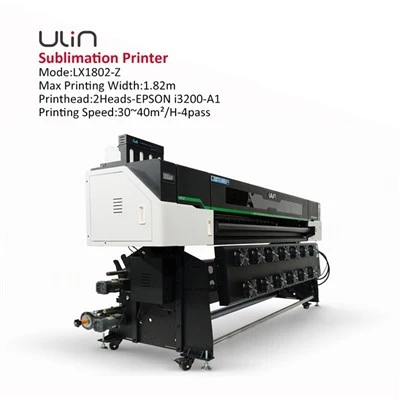
First, let’s clear up what “eco solvent” even means, because a lot of people mix it up with other print tech. Back in the day, old-school solvent printers used harsh, toxic chemicals to bind ink to materials—you know, the kind that smelled like fumes, required ventilation, and were basically impossible to have in a retail space or small shop without special setups. Eco solvent? They swapped those bad chemicals for gentler formulas that still stick great, last for years outside, and are way safer to use indoors. That’s the core difference, and it’s why they’re our go-to for everyone from sign shops to event companies.
Now, let’s walk through the step-by-step process, because it’s not just “ink goes on paper” like your home printer. Let’s start with what you need before you even turn the machine on. You’ve got two main parts here: the printer itself and your digital design file. Most eco solvent printers are wide-format, so they handle rolls of material—think vinyl, canvas, banner fabric, even window film—instead of letter-sized paper. Before printing, you design your artwork in something like Adobe Illustrator or CorelDRAW, right? You set your dimensions, pick colors (CMYK, mostly, sometimes with extra light inks for gradients), and make sure the file is set to the right resolution for your material. If you’re printing a 10-foot banner, you don’t need 1000 DPI—150 or 300 DPI is enough, which saves time and money. That prep step is easy, but skip it and you’ll end up with blurry prints, trust me.
Next, the material loading part. Most eco solvent printers have a roll feeder system, so you just slide your roll of vinyl or whatever into the holder, line up the edges, and the machine’s built-in sensors grab it automatically. No taping, no measuring—just load and go. Some smaller tabletop models let you use cut sheets too, but 9 times out of 10, these printers are for rolls, which is why they’re perfect for big jobs. One thing I always tell new buyers: make sure your material is dry before loading it. Even a tiny bit of moisture can mess up the ink bonding, so let your vinyl sit out for an hour if it was stored in a cold warehouse—simple tip that saves a lot of headaches.
Now the actual printing mechanism, which is where the magic happens. Unlike home inkjet printers that spray tiny droplets onto paper, eco solvent printers have printheads that do a bit more. Wait, let’s get specific: most use piezoelectric printheads. What’s that mean? Basically, the printhead has tiny ceramic chambers. When electric current passes through them, the ceramic bends just enough to push a precise droplet of eco solvent ink out onto the material. No heat, no weird pressure—just controlled, consistent droplets. That’s why the colors are so crisp, even for fine lines, like text on a business sign or tiny details on a vehicle wrap.
The ink itself is key here, and it’s what makes eco solvent so great. Each droplet isn’t just colored pigment—its base is a mild solvent formula that acts like a tiny glue. When it hits the material, that solvent evaporates (that’s the smell you might notice, way milder than old solvent printers) and leaves the pigment locked into the material’s surface. Wait, some inks go a step further and actually bond with the material’s molecules, which is why a vinyl sticker printed with eco solvent will last 3-5 years outside, fading way slower than a regular inkjet print that falls apart in a month. And since it’s water-based? Wait, no—wait, eco solvent inks are solvent-based but low-VOC, right? Yeah, they’re not water-based, but they’re way less toxic than traditional solvent, so you don’t need a fancy ventilation system in a small shop. I’ve had customers put their eco solvent printers right next to their customer service desks, no complaints about fumes.
As the print head moves back and forth across the material, it lays down each color layer by layer: cyan, magenta, yellow, black, sometimes light cyan and light magenta for smoother skin tones or gradients. The printer’s software adjusts the size of the droplets too—smaller droplets for fine details, bigger ones for solid blocks of color, which saves ink and makes the print look way more professional than a home printer’s one-size-fits-all approach. Also, most modern eco solvent printers have a built-in drying system, either small fans or heaters, right after the print head. That way, the ink dries almost instantly, so the print doesn’t smudge as the material rolls through. That’s a big upgrade from older models where you had to wait 10 minutes for a print to dry before touching it.
Wait, let’s talk about materials, because that’s a huge part of how the process works. Eco solvent printers aren’t just for vinyl—you can print on canvas for wall art, mesh fabric for outdoor banners, window cling for storefronts, even cardboard for trade show displays. The key is that the material is porous or has a coating that the eco solvent ink can adhere to. For uncoated materials, some printers have a pre-treatment option, where you spray a tiny layer of adhesion primer before printing, which makes the ink stick even better. I always recommend my customers pick the right material for their job—you wouldn’t print a 10-foot outdoor banner on thin, cheap fabric, because it’ll tear easily, and the ink will fade faster. But for indoor wall art, plain canvas works great and saves money.
Once the print is done, what happens next? That depends on the job, but a lot of times, you’ll do something called “cutting” the print to shape. Many eco solvent printers are also “cut-and-print” models, meaning after they finish laying down the ink, the same machine has a cutting head that trims the material to your exact design. No need to send the print to another machine—you can do it all in one step, which saves time and cuts down on errors. For stickers or decals, this is game-changing: you design a shape, print it, cut it, peel off the excess vinyl, and you’re done. For banners, you can leave the edges raw or add grommets with an optional accessory, which is way cheaper than outsourcing.
Now, let’s address the myths people have about eco solvent printers, because that’s a big part of why so many small shop owners hold back. First, a lot of folks think they’re too expensive for a small business. Yeah, entry-level models aren’t as cheap as a home printer, but they’re way more cost-effective long-term. One of our small shop customers, a guy who does local event signs, told me his eco solvent printer paid for itself in 6 months because he didn’t have to outsource all his big jobs anymore. Compare that to if you use a regular inkjet for outdoor projects—you’re reprinting every month, which adds up way more than the upfront cost of a good eco solvent printer.
Another myth: eco solvent inks are bad for the environment. Again, they’re way better than traditional solvent, but that doesn’t mean they’re zero-waste. Wait, as a supplier, we’ve worked with ink manufacturers to make sure our inks are low-VOC and recyclable, and we give customers tips on disposing of old ink cartridges properly. Also, the durability means fewer replacements—your print lasts years, so you’re not throwing out old signs every few weeks, which is way better for the planet than constant reprints. That’s a big reason eco solvent is the go-to for sustainable businesses now.
Let me also mention a common mistake new users make: not calibrating the printer regularly. Just like any machine, eco solvent printers need a little upkeep to work right. Calibrating the printheads ensures that the colors line up perfectly (so cyan doesn’t shift to magenta, which would make your prints look off), and cleaning the printheads every few weeks prevents clogs. A lot of beginners skip this, and then they blame the printer for bad prints. It’s super easy, though—most modern models have a one-click calibration tool in the software, so you don’t need to be a tech whiz.
Now, who uses these printers? Let’s think: sign shops, obviously—they make custom street signs, storefront banners, parking decals. Vehicle wrap companies use them, because the ink sticks to car vinyl and doesn’t peel off in the sun or rain. Event planners use them for trade show backdrops, festival signage, even custom tablecloths. Interior designers use them to print on canvas or wallpaper for accent walls. Even some schools use them for custom sports banners or classroom murals. Basically, any time you need a large, durable print that looks good outdoors, an eco solvent printer is the way to go.
So, to wrap this up simply: an eco solvent printer takes your digital design, uses low-VOC, weather-resistant ink and piezoelectric printheads to bond the ink tightly to a wide range of roll materials, dries the print instantly, and often cuts it to shape—all in one smooth process. It’s built to be durable, versatile, and safer than old-school solvent printers, which is why it’s become such a staple in print shops and creative businesses.
If you’re ready to upgrade your printing setup, or just want to learn more about which eco solvent printer fits your needs, I’m here to help. No hard sell, just honest advice—whether you’re a one-person shop looking for an entry-level model or a larger operation needing a high-volume machine, I can walk you through the options, answer your questions, and get you set up with something that works for your budget and your jobs. Don’t hesitate to reach out to talk through your needs and find the right printer for you.
Eco Solvent Printer References
- Eco Solvent Ink Basics and Printer Technology, Printing Industries of America, 2022
- Low-VOC Printing Solutions for Small Businesses, Sustainable Business Network, 2023
- Wide-Format Print Durability: Testing Outdoor Ink Performance, International Sign Association, 2021
- Piezoelectric Printhead Operation for Commercial Printers, Tech Briefs Manufacturing, 2022
Hangzhou Yulan Technology Co., Ltd.
Hangzhou Yulan Technology Co., Ltd. is one of the most professional eco solvent printer manufacturers and suppliers in China. With abundant experience, we warmly welcome you to wholesale the newest eco solvent printer in stock here from our factory. Good service and quality products are available.
Address: 3rd Floor, Building 4, Kechuang Park, No. 43 Wuzhou Road, Donghu Sub-district, Linping District, Hangzhou,CHINA
E-mail: ulinprint@gmail.com
WebSite: https://www.ulinprinter.com/
