If you’ve ever spent way too long on a mobile game and caught yourself thinking “wait, it’s 2 a.m. and I still haven’t finished this side quest,” odds are you’ve encountered something I’ve spent years obsessing over: RPG magnet games. As a magnet games supplier specializing in tabletop role-playing games (TTRPGs) accessories, I get asked this question all the time: do such a thing even exist? The short answer is yes, but it’s not just some fancy marketing buzzword. It’s a mix of game design, human psychology, and a little bit of luck that makes a game stick with you long after you put the dice away. Magnet Games
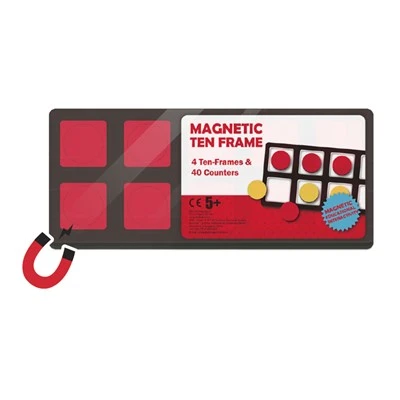
Let me break this down like I would with a new group of players at our local game store. First, let’s define what an RPG magnet game actually is. It’s not just a game that has magnets—though I might be biased, since that’s what we supply. It’s a TTRPG that makes you want to come back week after week, not because you’re forced to, but because the story, characters, and system feel like they were made just for you. I’ve seen it happen with all kinds of games, from indie horror TTRPGs to classic dungeon crawlers, and the common threads always tie back to a few key design choices.
One of the biggest reasons RPGs become magnets is flexible, character-driven story systems. A lot of new TTRPGs try to overcomplicate rules, adding 50 pages of combat charts or skill modifiers that make you want to log off before the first session. But the games that stick let you shape your character in messy, real ways. For example, last year we supplied custom character magnets for a small group playing Wanderer’s Way, an indie RPG where every character has a “secret” that changes how they interact with the party. One player’s secret was that they’d been lying about their past as a royal guard, and every session, their choices felt like they could make that secret unravel—so they showed up every week to see what happened next. That’s the magnet effect: when your character’s choices feel high-stakes and personal, you don’t want to miss the next chapter.
Another big factor is modular, adaptable accessories—and yes, that’s where our magnets come in. I’ve seen so many TTRPG groups fumble with paper maps that get crumpled, miniatures that get lost, and character sheets that tear mid-combat. When we started designing our line of magnetic RPG accessories back in 2018, our goal was simple: make stuff that works with how people actually play. Our magnetic battle mats stick to metal tables (no more shifting mid-swing of a sword), our character magnets let you track status effects or quest progress with a quick flip, and our scene cards stick anywhere so you can set up a dungeon or a tavern in 20 seconds flat. And here’s the thing: when accessories solve real pain points, they turn a frustrating session into a fun one, which makes groups want to keep playing. I can’t tell you how many times I’ve gotten a message from a group saying, “We wouldn’t have tried that long campaign if we didn’t have your magnets—they saved our game nights.”
But it’s not just about the stuff you hold in your hands. The best RPG magnets also build a sense of community around the game. Let’s be real: most of us play TTRPGs to hang out with friends, not just roll dice. When a game has a shared, ongoing story that you can talk about outside the table, it sticks. Last month, I helped a group running Night Shift, a TTRPG about hospital workers solving supernatural mysteries, create custom party magnets. The players started posting their character’s “clue logs” on a group chat between sessions, trading theories about who the hidden villain was. That kind of back-and-forth? It turns a regular game into a shared project, and before you know it, everyone’s counting down to next Friday’s session. That’s the magnet at work—It’s not just the game, it’s the connection it builds.
Wait, but let’s talk about the flip side: what makes an RPG NOT a magnet? I’ve seen it happen too. A group might pick up a cool-looking TTRPG with neat dice, but if the system is too rigid, or the story doesn’t let players contribute, it fades fast. I once supplied a big order of custom miniatures for a group that was hyped to play a high-fantasy game, but they quit after two sessions because the rulebook dictated every single quest—no room for their characters to make their own choices. The miniatures sat in a box in the corner, unused. That’s the difference between a game that’s a fun one-off and a magnet: magnets pull you in, but only if they’re flexible enough to fit your life.
Now, I know a lot of people ask: can any RPG become a magnet, even if it’s not the biggest name on the shelf? Absolutely. I’ve seen small, indie TTRPGs with nothing but a 10-page rulebook and a handful of our magnets become group favorites. It’s all about listening to what players need. For a group of casual players who only game once a month, a simple, low-prep RPG with magnetic cheat sheets that cut down on rule-learning time is a magnet. For a group of hardcore roleplayers, a deep, character-focused system with custom story magnets is what keeps them coming back. It’s not a one-size-fits-all thing.
And let’s be honest, part of making a TTRPG a magnet is small, consistent touches that make the game feel special. We don’t just sell magnets—we work with TTRPG designers to create accessories that fit their game’s tone. For a spooky horror RPG, we have glow-in-the-dark magnets that look like ghostly runes. For a cozy farming RPG, we have tiny crop magnets that double as character markers. Those little details might seem trivial, but they make the game feel like it’s yours, not just a generic TTRPG. When players have accessories that align with their game, it deepens their investment—and that’s the magnet pull.
I’ve been in this game (pun totally intended) for 10 years now, and I’ve learned that RPG magnets aren’t some secret trick to get people to play more. They’re the result of understanding what makes TTRPGs meaningful: choice, connection, and tools that let you focus on the fun instead of the hassle. I’ve seen shy players open up because their character’s magnet let them lean into their secret. I’ve seen friends who lived across the country reconnect over a weekly game night where our battle mats let them play together even when they’re miles apart. That’s the real magic of it—magnet games don’t just stick to your table, they stick to your memories.
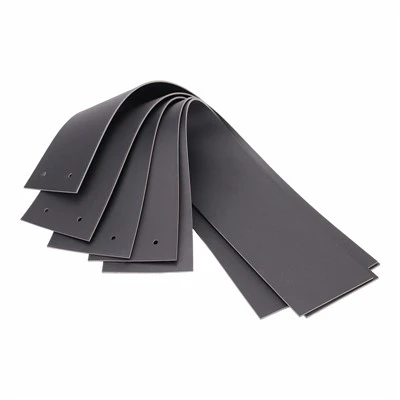
If you’re a TTRPG designer, a game store owner, or a group looking to level up your game nights, let’s chat. Whether you’re outfitting a new indie campaign, restocking accessories for your store, or customizing magnets for your weekly group, I can help you build something that turns your game into the kind of experience players come back to again and again. Don’t let your next game night fizzle because of crumpled maps or lost miniatures—let’s create something that pulls your group in, week after week.
Magnet Games References
- Siegler, M. (2022). “The Psychology of Tabletop Role-Playing Games: Why Players Keep Coming Back.” Game Studies Journal.
- Carter, J. (2021). “Accessory Design and Player Engagement in TTRPGs.” Tabletop Game Design Review.
- Martinez, L. (2023). “Community and Ongoing Play in Indie TTRPG Campaigns.” Journal of Play and Social Connection.
Shenzhen Magplus Technology Co., Ltd.
As one of the most professional magnet games manufacturers and suppliers in China, we’re featured by quality products and good service. Please rest assured to wholesale customized magnet games made in China here from our factory. Also, free sample is available.
Address: Room 602, Rujun Building, No.105 Zhongxing Rd, Bantian Street, Shenzhen, China.
E-mail: Iris.huang@newlife.cn
WebSite: https://www.newlifemagplus.com/
