As a US-based fast LDP (Landed Duty Paid) reefer ocean freight provider, I get asked this question almost every day by shippers moving temperature-sensitive cargo: “What’s the cost of reefer LDP ocean freight to the US?” The truth is, there’s no one-size-fits-all answer, and anyone who quotes a flat rate without asking the right questions is selling you something that will end up costing more later. Over 12 years in this business, I’ve seen too many shippers get burned by hidden fees, stale quotes, and carriers that cut corners on reefer care. Today, I’m breaking down every factor that goes into this cost, how our fast LDP model solves common pain points, and what you actually should budget for. US LDP Fast Ocean Freight

First, let’s get clear on what “reefer LDP ocean freight” even means. Reefer cargo is any product that requires controlled temperatures—think fresh produce, pharmaceuticals, seafood, flowers, or even sensitive electronics that can’t handle extreme heat or cold. LDP means we take full responsibility for every cost from the origin warehouse, through the ocean transit, US customs clearance, duties, taxes, and final delivery to your door in the US. No surprise fees after the cargo is on the ship, no last-minute brokerage charges, no dealing with multiple vendors. That’s the LDP promise, and for reefer freight, it’s non-negotiable: one broken temperature reading during transit can ruin a $50,000 shipment, so you need a provider that owns the whole process.
Let’s start with the biggest variable: the type and quantity of your reefer cargo. Not all reefer freight is the same, and that changes everything. First, temperature setpoints. Some cargo needs a narrow, precise range—like a COVID vaccine that requires 2 to 8 degrees Celsius the entire time, or fresh berries that can swing 1 degree and spoil. Specialty reefer units that maintain strict temperature control cost 15 to 20% more than standard units that handle a wider range, like frozen meat at -18 degrees. Then there’s cargo density and volume. Full container loads (FCL) of reefer are way cheaper per unit than less than container loads (LCL). For example, a 40-foot high cube reefer container can hold 28 to 30 pallets of strawberries, all at a consistent temperature, and our fast LDP rate for that from the Port of Antwerp to Los Angeles is around $4,800, all-in. If you only have 5 pallets, you’re looking at $1,200 to $1,500 for LCL reefer, because carriers have to allocate space on specific sailings for small, temperature-controlled shipments, which limits efficiency. We’ve worked with small specialty food importers who thought LCL would save money, only to find that the extra handling at origin and destination ports added up to almost the same as a full container.
Next, origin and destination lanes, plus fast transit requirements. Our fast ocean model is different from standard ocean freight, which can take 45 to 60 days from Asia to the US. Fast reefer LDP takes 18 to 22 days from most major Asian ports to LA or the East Coast via optimized sailings and priority handling. That speed comes at a cost, but it also reduces the risk of cargo spoilage, which is a huge hidden cost most shippers don’t calculate. For example, mangoes from Thailand have a shelf life of 25 days at origin, so a 60-day standard ocean transit means your cargo would arrive already 15 days past its best before date, costing you retail sales. Our fast transit gets there in 21 days, so that shelf life is still intact. Lane-specific rates vary: from Shanghai to LA, fast reefer LDP FCL rates are $4,800 to $5,200 right now (as of mid-2024), while from Mombasa to New York, they’re $6,200 to $6,800, because that lane has fewer direct sailings, so we have to pay more for space on premium vessels. Destination also matters: delivering to Miami is cheaper than delivering to Anchorage, because of local drayage costs and cold chain requirements for final delivery.
Then there are the mandatory reefer-specific fees that most providers don’t include in their “base rate.” Let’s list these out, because they’re where surprises happen. First, fuel surcharge: reefer units run on diesel, so fuel prices directly impact cost. Right now, the reefer fuel surcharge is around $25 per day per container, which adds up to $550 for a 22-day fast transit. Second, temperature monitoring fees: you can’t just set the unit and forget it—US customs and importers require continuous temperature data logs. We include 24/7 remote monitoring in our fast LDP rate, but some providers charge $0.50 per day per pallet, which adds $11 to $16 for a small shipment. Third, customs bonding and brokerage fees for reefer: perishable cargo is one of the highest priority for US customs, because of food safety and agricultural inspections. Our team handles all of that, including phytosanitary certificates, FDA inspections for food and pharmaceuticals, and duty calculation. For LDP, we include all duties and taxes in the rate, which is based on the Harmonized Tariff Schedule (HTS) code of your product. That rate is usually 0 to 10% of the product’s value for most agricultural goods, but it can be higher for pharmaceuticals or specialty goods. Fourth, drayage fees: moving the container from the origin warehouse to the port, and from the destination port to your door. For our fast LDP, we pre-negotiate drayage rates with trusted carriers, so we don’t pass on surprise overcharges. For a 40-foot container, that’s $600 to $800 from Shanghai port to the factory, and $700 to $900 from LA port to a warehouse in California.
Wait, let’s talk about the hidden costs that don’t show up on the rate sheet, because these are the ones that sink shippers. First, cargo spoilage risk. I mentioned this earlier, but it’s worth repeating: if your reefer shipment arrives outside the required temperature range, you could lose the entire cargo. Last year, a small importer in Florida booked a standard LDP reefer rate from our competitor for frozen lobster, and the container’s temperature sensor malfunctioned during transit. The competitor tried to blame the shipper, and it took 3 weeks to get insurance payout—by then the lobster was ruined. With our fast LDP, we have redundant temperature sensors, 24/7 remote monitoring, and a dedicated reefer quality team that checks the unit before it leaves the port, during transit, and after it arrives. That’s a small extra cost in the rate, but it eliminates the risk of losing your entire shipment. Second, detention and demurrage fees. If the container is held at the port or origin warehouse for more than the allowed free time, carriers charge $100 to $200 per day. With standard ocean freight, ports are often congested, so detention fees can add $1,000 or more. Our fast LDP model uses dedicated slots at ports, so we get priority loading and unloading, which reduces detention time by 3 to 5 days, saving shippers hundreds. Third, insurance. Most standard freight insurance only covers general damage, not spoilage from temperature issues. Our LDP rate includes reefer-specific cargo insurance that covers temperature excursions, equipment failure, and damage during transit. If you go with a provider that doesn’t include this, you’ll have to add 0.5 to 1% of your product’s value for insurance, which is a key cost to budget for.
Now, let’s compare our fast LDP reefer ocean freight to other options, because that helps put the cost in context. A lot of shippers choose air freight for reefer cargo, which is way faster—2 to 3 days—but costs 5 to 10 times more than our fast ocean rate. For example, a 40-foot container of avocados from Mexico to Dallas would cost around $22,000 via air, versus $5,500 via our fast LDP ocean. Standard ocean freight is cheaper upfront, but the risk of spoilage and longer transit often ends up costing more. Last year, I worked with a flower exporter from Ecuador who switched from air freight to our fast LDP for rose shipments. They were paying $18,000 per shipment via air, and switched to our rate of $4,500 per 40-foot container. Their delivery time was only 5 days longer (12 days vs 17 days) and the roses arrived in 98% good condition, compared to 95% via air. The extra 3% of good roses was worth more than the cost savings, but the lower freight rate meant they could undercut their competitors’ prices.
What are common myths about reefer LDP ocean freight costs? Let’s bust a few. First myth: “It’s always cheaper to use a non-specialized provider.” I’ve seen shippers book a non-reefer LDP rate that was $500 cheaper upfront, but ended up paying $2,000 in extra reefer handling fees at origin and destination, plus $1,500 in detention fees because they didn’t have experience with reefer port slots. Second myth: “LDP means all costs are included, no exceptions.” Some providers will hide “admin fees” or “documentation fees” that aren’t part of the core LDP rate. Our fast LDP rate includes every single cost: origin drayage, port fees, ocean freight, reefer fuel surcharge, customs brokerage, duties, taxes, destination drayage, insurance, and temperature monitoring. No hidden fees, ever. Third myth: “Fast transit is too expensive for small shipments.” We have a dedicated small-load fast LDP program for shipments under 10 pallets, with rates that are only 10% higher than our LCL rates, not 50% like some other providers. That’s for shippers who have smaller volumes but need the reliability of a fast transit.
Let’s talk about 2024 market factors that are affecting reefer LDP ocean freight costs right now, because rates change based on supply and demand. The biggest factor is the surge in demand for perishable goods post-pandemic, as more US consumers buy fresh produce and specialty food online. That has led to more direct sailings for reefer cargo, which has actually kept fast LDP rates stable this year, after a 15% increase in 2022. Another factor is port congestion: even with fast transit, LA and Long Beach ports are still less congested than they were two years ago, which means lower detention fees for our clients. Fuel prices have been volatile, but we lock in fuel surcharges 90 days in advance for our clients, so you don’t have to worry about unexpected rate hikes if fuel prices go up. Also, new rules from the US FDA require more traceability for food imports, which means reefer providers have to invest in better tracking technology. We updated our platform this year to let clients track their reefer cargo in real time, view temperature logs, and get alerts if there’s a deviation—so that tech investment is part of our fast LDP rate, but it saves clients time and reduces compliance risks.
What should you do to get an accurate cost for your reefer LDP ocean freight? First, have all your cargo details ready: type of product, HTS code, required temperature range, volume (pallets, FCL vs LCL), origin port, destination city, and any special requirements (like chilled vs frozen, or white glove final delivery for pharmaceuticals). Second, ask for a full, itemized quote that includes every cost, no exceptions. A good fast LDP provider will break down origin fees, ocean transit, reefer surcharges, customs, duties, destination fees, insurance, and any add-ons. Third, ask for references from other shippers in your industry, to confirm that the provider has a track record of on-time delivery, no temperature issues, and no hidden fees. For reefer cargo, that track record is way more important than a lower upfront rate.
At our company, we built our fast LDP reefer ocean freight model specifically to solve the problems I see shippers facing every day: hidden fees, unreliable transit, spoilage risks, and unclear pricing. We don’t cut corners on reefer units or monitoring, because we know that one bad shipment can ruin a relationship with a retailer or a customer. Our average on-time delivery rate for fast reefer LDP is 96%, and our spoilage rate is less than 1%, which is way lower than the industry average of 3 to 5% for standard reefer freight.
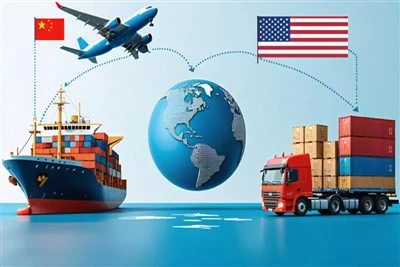
If you’re ready to get a transparent, accurate quote for your reefer LDP ocean freight to the US, or if you have questions about how to structure your shipments to save money, our team is here to help. We work with importers of all sizes, from small specialty food startups to large pharmaceutical distributors, so we can tailor a solution that fits your needs and budget.
US FBA Ocean Freight reference:
- International Air Transport Association. (2023). Reefer Freight Market Report: Global Trends and Cost Drivers.
- US Customs and Border Protection. (2024). LDP Shipping Guidelines for Temperature-Controlled Cargo.
- Freightos. (2024). Ocean Freight Rate Index: Reefer LDP Lane Analysis.
- Cold Chain Federation. (2023). Hidden Costs of Reefer Cargo Spoilage in International Freight.
Tuoyuan International Logistics Co., Ltd.
As a professional China-USA logistics provider, we offer US LDP fast ocean freight service for FBA and commercial shipments. If you’re going to know more about customized US LDP fast ocean freight service, welcome to contact us for the pricelist. Good service and reasonable price are available.
Address: 1st Floor, Building 5, No.37, Jingshan Road, Beiyuan Street, Yiwu City, Jinhua City, Zhejiang Province, China
E-mail: info@topyounglog.com
WebSite: https://www.top-younglog.com/
