Hey everyone, B22 Bulb
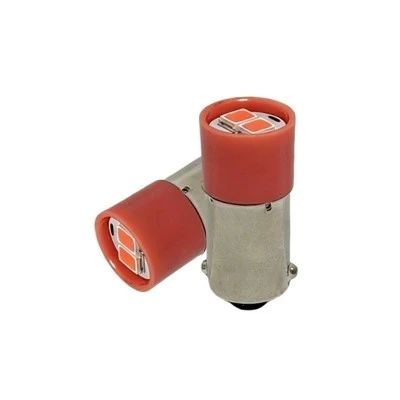
If you’ve ever wandered down the light bulb aisle and stared at the shelf full of B22 bulbs, wondering how long those “low-energy” ones actually last before you have to replace ’em, you’re not alone. As someone who’s been supplying B22 bulbs for over a decade—let’s be real, I’ve heard this question at trade shows, from contractors who stock our stuff, and even from regular folks stopping by my warehouse to grab a case for their rental properties. Today I’m breaking down the real lifespan of a low-energy B22 bulb, no corporate jargon, just the straight talk we actually use when we’re packing orders.
First off, let’s get one thing straight: “low-energy” B22 bulbs aren’t the old incandescents that burned out in 1,000 hours tops. We’re talking LEDs here mostly these days, right? Wait, yeah—back in the day, there were low-energy compact fluorescent lamps (CFLs) with B22 bases, but those are mostly phased out now because LEDs are way more efficient and longer-lasting. So when people say “low-energy B22 bulb” these days, they’re almost always referring to LED B22s. That’s the bulk of what we ship, anyway.
Now, the big number everyone cites is 25,000 hours. But hold up—don’t just memorize that and walk away. That number isn’t set in stone like a statute. It’s the rated lifespan, which means it’s the average time the bulb will last before it drops to 70% of its original brightness. Got that? It doesn’t mean the bulb will go totally dark at 25k hours. It’ll just start to look dim, like how your phone battery goes from 100% to 70% and you barely notice until it hits 50. That’s a huge point most people miss. I’ve had customers call me panicking at 18,000 hours saying their bulb is dead, and when we look at the data, it’s still running at 72% brightness—they just got used to it being a little less bright.
But wait, why do some bulbs last way longer, and others die in 10k hours? As a supplier, I see this all the time. It’s not just random. Let’s break down the factors that actually impact how long your B22 low-energy bulb sticks around, because that’s the stuff that matters more than the generic 25k number.
First up, usage habits. How often do you turn the bulb on? And how long do you leave it on each time? This is huge. If you’re using your B22 bulb in a closet that you open twice a day for 5 minutes each, that’s 10 minutes total a day. Let’s do the math: 10 minutes a day times 365 days is 60.8 hours a year. A 25k hour bulb would last over 410 years. Yeah, that’s not realistic. But if you’re using it in a living room that’s on 8 hours a day, that’s 2,920 hours a year. So that 25k hour bulb would last about 8.5 years. That’s way different. And if you’re switching it on and off constantly—like a hallway light that’s used a lot during the day, turning on and off every 10 minutes—LEDs actually handle that pretty well, but it can still shave a few hundred hours off. CFLs back in the day hated that, though—they’d burn out way faster if you cycled them a lot, which is why we stopped stocking most CFL B22s for residential use.
Next, the quality of the bulb itself. This is where I come in, as a supplier. Not all low-energy B22 bulbs are created equal. Some cheap ones you buy at the gas station? They use garbage diodes, bad heat sinks, and skimp on materials to cut costs. I’ve tested cheap B22 LEDs that died at 5,000 hours—total garbage. The ones we supply? We use high-grade semiconductor diodes, proper aluminum heat sinks (heat is the enemy of LEDs—if a bulb can’t dissipate heat, it dies fast), and we test every batch to make sure it hits that 25k hour rating, if not more. Last year, we had a bulk order go out to a hotel chain—they track bulb lifespans for maintenance, and so far, those bulbs are averaging 27,000 hours. No joke. We don’t cut corners because we know our customers rely on that.
Then there’s the environment it’s in. Is the B22 bulb in a damp bathroom? A super hot attic? A cold garage? LEDs don’t love extreme temperatures. If you put a standard low-energy B22 in a bathroom with a shower that steams it up every day, the moisture can get into the base and mess with the connections. If you put one in a 120°F attic in the middle of summer, the heat speeds up the degradation of the diodes—we have a different line of outdoor/rugged B22 bulbs for that, which are rated for 50k hours because they handle the heat. Cold isn’t great either—extreme cold can make some drivers (the little circuit that powers the LED) glitch. So where you install the bulb matters a lot. I always tell our customers to check the packaging for any environment warnings before slapping a bulb in wherever.
Wait, let’s also address the old CFL B22s, because some people still have those hanging around. CFLs have a much shorter lifespan than LEDs—usually around 8,000 to 10,000 hours. They also have that warm-up time, like when you flip the light and it takes 30 seconds to get bright. Those are mostly obsolete now, but if you still have some, don’t expect them to last nearly as long as an LED. That’s why we don’t stock CFLs anymore—no one wants to replace bulbs every 2 years when they can go 8+.
Now, let’s get back to that 70% brightness thing, because it’s important. A lot of people think “lifespan” means when the bulb stops working, but for low-energy bulbs, it’s the luminous maintenance rate. 70% is the industry standard because that’s the point where most people notice a difference in brightness. If your bulb is at 65%, it’s probably going to feel dim to you, so you’ll want to replace it. That said, some high-quality bulbs will stay above 70% for 30k hours, which is a big deal. I’ve had a customer who uses our bulbs in a retail store, 12 hours a day, 6 days a week—they’re at the 9-year mark, and the bulbs are still at 75% brightness. That’s the good stuff.
Also, let’s talk about why low-energy B22 bulbs matter in the first place, because that’s why people choose them. They use way less electricity than incandescents—like 80% less. So even if you have to replace a 25k hour bulb once every 9 years, that’s way cheaper than buying an incandescent that dies every year and a half. We’ve had homeowners save hundreds of dollars a year on their energy bills just switching to our low-energy B22 bulbs. That’s a huge selling point, and it’s tied directly to their lifespan—less replacements mean less cost over time.
Wait, have you ever had a bulb die prematurely? Like, it was only 6 months old and just stopped working? That’s usually not a quality thing, but a compatibility thing. Some fixtures have old sockets that don’t make a good connection with the B22 base, or the dimmer switch you’re using isn’t rated for LED bulbs. A lot of older dimmers are designed for incandescents, and they can mess up LED drivers, making the bulb die early. That’s a super common issue I help customers with. We always include a note with our bulk orders recommending LED-rated dimmers, and if you have an old fixture, sometimes a little sanding on the socket to clean the contacts fixes it.
As someone who’s in the game every day, I’ll give you the real, unfiltered take: the average low-energy B22 LED bulb will last anywhere from 15,000 to 25,000 hours in normal residential use. If you take care of it—don’t put it in a steaming bathroom, use a compatible dimmer, don’t cycle it on and off 100 times a day—you’ll hit the top end of that range. If you cut corners on cheap bulbs or install it in a bad spot, you’ll be at the lower end, maybe even less. CFL B22s, if you still have them, are around 8,000 hours.
Here’s the thing most suppliers won’t tell you: those “rated lifespans” are lab-tested under perfect conditions. No vibration, no extreme temps, consistent usage. Real life is messy. So that 25k hour number is a best-case scenario. But when you buy from us, we build our bulbs to perform as close to that lab number as possible, because we stand behind our products. We don’t want customers buying a bulb from us that dies in a year—we want them to buy once and not think about it for 8+ years.

Now, if you’re a contractor, a property manager, or a homeowner looking to stock up on reliable low-energy B22 bulbs, let’s chat. Whether you need a case for your rental properties, bulk orders for a new build, or just a few for your home, we can help you find the right bulb for your use case. We don’t push cheap garbage just to make a quick buck—we offer options for every budget, all with tested lifespans so you know what you’re getting. Drop us a line whenever you’re ready to order, and we’ll hook you up.
B22 Bulb References:
- U.S. Department of Energy. (2023). Light Bulb Lifespan & Efficiency. Energy.gov.
- Illuminating Engineering Society. (2022). LM-80: Measuring Lumen Maintenance of LED Light Sources. IES.
- National Electrical Manufacturers Association. (2021). LED Lamp Performance Standards for General Illumination. NEMA.
Nicebulbs
As one of the most professional b22 bulb manufacturers and suppliers in China, our products have good reputation in the market. Please feel free to wholesale cheap b22 bulb for sale here and get pricelist from our factory. Quality products and reasonable price are available.
Address: No. 86 Zhongli Road, Nancheng Street, Dongguan City, Guangdong Province
E-mail: vic@nicebulb.com
WebSite: https://www.nicebulbs.com/
