When I meet with automotive manufacturing plant managers and engineers at trade shows, the question I hear most often isn’t about the basic properties of industrial gases—it’s about why they’re still so critical when we’ve seen so many advances in robotics and automation over the last decade. The truth is, industrial gases aren’t just an afterthought in auto manufacturing; they’re the quiet backbone of everything from welding a car frame to painting a finish that lasts 10 years, from testing battery cells for electric vehicles to cleaning parts with enough precision to meet safety regulations. As a longtime industrial gases supplier, I’ve seen first-hand how even small changes in the gases we provide can cut production time, reduce waste, and help carmakers build vehicles that are safer and more efficient. Let’s break down exactly how these gases work on the factory floor, and why they matter more than ever as the auto industry shifts toward electric and sustainable production. Industrial Gases

Let’s start with the part of auto manufacturing most people picture: the body and chassis. Welding is how all those steel and aluminum parts come together, and the quality of that weld directly affects a car’s crashworthiness. Most auto factories use either MIG (Metal Inert Gas) welding or TIG (Tungsten Inert Gas) welding, both of which rely on shielding gases to protect the weld pool from contamination by oxygen, nitrogen, or hydrogen in the air. If you’ve ever seen a dull, porous weld that looks like it has tiny holes in it, that’s almost always because the shielding gas wasn’t right. For example, when welding thick steel chassis components, we usually mix 75% argon and 25% carbon dioxide. This mix gives the weld enough heat to penetrate deep into the metal, keeps the arc stable, and prevents oxidation that would weaken the joint. For thinner parts, like the aluminum body panels on electric vehicles (EVs), we switch to a higher argon mix—90% argon, 10% helium. Helium is lighter than air, so it flows better into tight gaps, and it creates a narrower, more precise weld that doesn’t warp the thin aluminum. I’ve worked with a small EV startup that was struggling with 12% weld failure rates on their battery enclosures. After we adjusted their shielding gas mix and added a small amount of hydrogen (just 1%), their failure rate dropped below 2%, and they were able to speed up their line by 15% because the welds required less post-processing grinding. That’s the kind of impact industrial gases can have, right there on the welding table.
Next, think about the paint shop—another area where gases make a huge difference, but one that’s less talked about. Modern automotive paint isn’t just a clear coat over color; it’s a multi-layer process that includes electrocoat, primer, base coat, and clear coat, and each step uses gases to improve quality and reduce emissions. Electrocoat, which is the first layer applied to the bare metal, uses direct current and sometimes an inert gas to prevent defects like pinholes or orange peel texture. But the biggest use of gases here is in the painting process itself, specifically in the application of base coat and clear coat, and in curing. Many factories now use water-based paints instead of solvent-based ones to meet environmental regulations, but water-based paints are trickier to apply because they dry faster. To fix that, we supply compressed air that’s been dried to less than -40 degrees Fahrenheit dew point—any moisture left in the air will cause the paint to bubble. Then, during curing, we use infrared ovens that are often fueled by natural gas, but we also use nitrogen to purge the paint booths before curing. Nitrogen displaces oxygen, which prevents the paint from reacting with air during the drying process, leading to a smoother, more uniform finish. I recently visited a traditional gas-powered car plant that switched to using a nitrogen generator on-site instead of buying bulk nitrogen. Not only did they cut their nitrogen costs by 40%, but their paint defect rate went down by 8% because they had a more consistent supply of pure nitrogen, instead of the small amount of moisture that sometimes comes in bulk cylinders.
As the auto industry shifts to electric vehicles, industrial gases have become even more critical, especially for battery manufacturing. EV batteries are made of lithium-ion cells, and every step of making those cells—from electrode production to sealing the final pack—relies on gases. Let’s start with the electrodes: the anode and cathode are made by coating metal foils with slurry, and during the drying process, we use inert gas (usually nitrogen) to create an oxygen-free environment. If oxygen is present during drying, it can react with the lithium in the anode, reducing the battery’s energy density and lifespan. Then, when the cells are assembled, they’re sealed in a metal or plastic casing, and the final step before filling with electrolyte is “degassing” with argon. Argon displaces any remaining air and moisture inside the cell, which is essential because even a tiny amount of water can cause a short circuit. For the battery packs themselves, which hold dozens or hundreds of cells welded together, we use the same shielding gases I mentioned earlier, but with even stricter purity requirements—any contamination in a weld on a battery pack could lead to a fire, so we supply gases with 99.999% purity (that’s five nines) for these applications. I worked with a major battery manufacturer last year that was having issues with cell degradation in hot climates. We recommended adding a small amount of helium to their argon mix during cell sealing, which created a tighter, more leak-proof seal. Within six months, their field test data showed that battery life increased by 12% in temperatures above 100 degrees Fahrenheit. That’s a direct result of choosing the right industrial gas for a job that most people don’t even know exists.
Beyond welding and painting and batteries, industrial gases help with every other part of the auto manufacturing process, too. Forging, for example, uses oxygen to fuel high-temperature furnaces that heat metal parts like engine blocks or suspension components. Oxygen-enriched combustion burns cleaner and hotter than air alone, so it reduces the amount of fuel needed and cuts down on carbon emissions. We also supply acetylene, a flammable gas, for cutting metal during fabrication—acetylene has a very high flame temperature, which makes it perfect for slicing through thick steel quickly. Then there’s testing: automotive parts, especially brake lines and fuel systems, are tested for leaks using tracer gases. We often use helium because it’s small enough to seep through even tiny leaks, and it’s easy to detect with sensors. A factory might run a part through a chamber filled with helium, and if any helium comes out, they know there’s a leak that would cause a problem down the line. This is way more accurate than old pressure-testing methods, which could miss small leaks. Even the cleaning of parts, before they’re assembled, uses gases: carbon dioxide snow cleaning, which is like dry ice blasting, uses compressed CO2 pellets to remove grease, paint, or rust without damaging the part. It’s better than chemical cleaners because it’s non-toxic and leaves no residue, so parts are ready to assemble immediately.
Now, let’s talk about a topic that’s been front and center for every auto manufacturer lately: sustainability. As car companies work to reduce their carbon footprint, industrial gases can help there, too. For example, when we supply hydrogen for fuel cell vehicles, we’re part of a whole new industry that’s trying to create zero-emission transportation. But even for gas-powered cars, the gases we supply can help reduce emissions. When welding, using the right mix of shielding gas reduces the amount of rework needed, which means less energy wasted grinding and rewelding parts. When painting, nitrogen purge systems reduce overspray and paint waste, so less harmful solvents are released into the air. And on-site gas generators, which produce nitrogen or argon on the factory floor instead of delivering bulk cylinders, reduce the carbon footprint from transporting heavy gas cylinders, which is a big part of a manufacturer’s supply chain emissions. I’ve helped three different plants switch from bulk gas deliveries to on-site generators, and each one cut their scope 3 emissions (emissions from suppliers) by at least 20% in the first year. That’s a win for both their bottom line and their sustainability goals.
I know a lot of plant managers are skeptical of adding another supplier to their list, especially when it comes to something like industrial gases. They might think, “We’ve always used X gas for welding, why change?” But the auto industry has changed a lot in the last five years—EVs are now 10% of global new car sales, and that number is only going up. The welding, painting, and battery manufacturing processes for EVs are different from gas-powered cars, and so are the gas requirements. For example, aluminum welding, which is way more common in EVs than traditional cars, needs a different mix than steel welding. Thin battery enclosures need a more precise gas shield than thick chassis parts. If you’re still using the same gas mix you used 10 years ago for gas-powered cars, you’re probably leaving productivity and quality on the table. I’ve seen plants wait too long to adjust their gases, and they end up with higher defect rates, slower production, and higher costs. The good news is, it’s not a big change—most of the time, all it takes is a simple test of your current process, a tweak to the gas mix or purity level, and you can see results within a month.
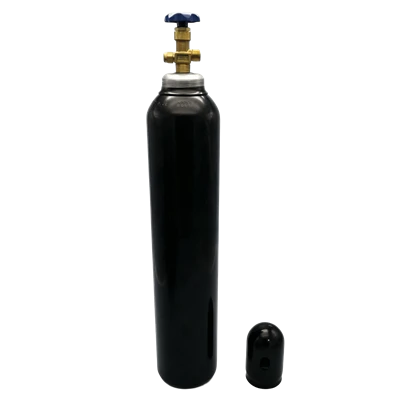
At the end of the day, industrial gases are a utility, but they’re not a one-size-fits-all utility. I don’t show up to a plant with a truck full of generic argon and tell them that’s what they need. I sit down with their engineers, look at their line, their materials, their production goals, and build a custom gas solution. Whether that’s adjusting a shielding gas mix for better welds, setting up an on-site nitrogen generator to cut costs, or supplying high-purity argon for battery cells, the goal is always the same: help them make better cars, faster, with less waste. If you’re an automotive manufacturer looking to improve your process, cut costs, or meet your sustainability goals, I’d love to talk through your specific needs. We can start with a free, no-obligation audit of your current gas usage, identify areas where you can improve, and build a solution that works for your plant. Don’t wait until you’re dealing with high weld failure rates or paint defects to make a change—get ahead of it now, and see how industrial gases can make a difference for your production.
Cream Dispensers References
- Automotive Industries Association of Canada. (2022). Industrial Gas Applications in Modern Automotive Manufacturing. Retrieved from industry trade journal archives
- Air Liquide. (2023). Industrial Gases for Electric Vehicle Battery Production. Technical white paper
- Welding Journal. (2021). Shielding Gas Mix Optimization for Aluminum Automotive Body Panels. Peer-reviewed research article
- Society of Plastics Engineers. (2022). Nitrogen Use in Automotive Paint Curing Processes. Conference proceedings
- International Energy Agency. (2023). The Role of Industrial Gases in Low-Emission Vehicle Manufacturing. Global EV Outlook Report
Smoothwhip Industrial Co., Ltd.
Address: Room 1306, Building 4, U-Tiandi, No. 178 Puhui Road, Jiuting Town, Songjiang District, Shanghai
E-mail: info@smwhip.com
WebSite: https://www.smwhip.com/
