When I started my journey as an electroplating titanium anode supplier back in 2012, I had no idea how often people would ask me: “Wait, titanium anodes? Aren’t most anodes made of lead or platinum?” It’s a fair question—for decades, those materials were the go-to for most plating lines. But as I’ve watched the industry shift, I’ve seen titanium carve out a critical niche, one process at a time. Today, I want to break down exactly which electroplating processes rely on titanium anodes, why that matters, and how a reliable anode supplier can make or break a plating operation. Electroplating Titanium Anode
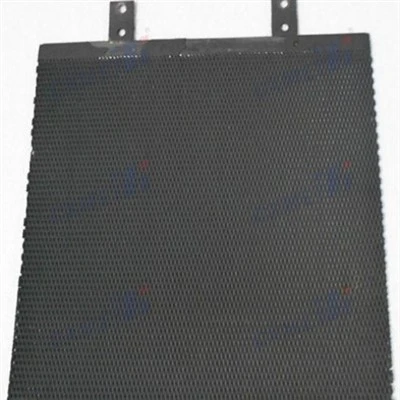
Let’s start with the basics, because if you’re in plating, you know this: the anode is the workhorse of your electroplating tank. It’s the electrode that releases metal ions (or in some cases, doesn’t release anything at all) to form the coating on your substrate. Lead anodes were popular because they’re cheap and stable, but they’re heavy, leach toxic metals into the bath, and degrade quickly in harsh chemicals. Platinum anodes work well but cost a small fortune—they’re not feasible for high-volume production. Titanium anodes hit that sweet spot: lightweight, corrosion-resistant, and incredibly versatile once coated with a thin layer of a more active metal like iridium or ruthenium.
Now, let’s get to the processes that actually use titanium anodes. The first and most common I see is chrome plating—specifically hard chrome and decorative chrome. I’ve spent years talking to automotive part manufacturers and hardware companies, and they all swear by titanium here. Hard chrome is used for industrial parts like engine cylinders, hydraulic rods, and industrial tools; it requires high current densities and acidic chromium baths that would eat through lead anodes in weeks. A titanium anode with a mixed metal oxide (MMO) coating stands up to that acid and high current for months, not days. Decorative chrome, the stuff on car trim and faucet handles, also uses titanium because it minimizes contamination—lead leaching into the bath would ruin the smooth, shiny finish customers expect. Last year, one of my long-time clients, a faucet manufacturer, switched from lead anodes to our titanium units and cut their bath changeouts by 70%. That’s the kind of impact that makes suppliers like me do what we do.
Next up: zinc plating, especially alkaline and acid zinc processes. Zinc is the workhorse coating for rust protection—think car bodies, fasteners, and outdoor furniture. Many plating shops use zinc because it’s affordable, but the baths can be aggressive. Acid zinc baths, in particular, have a low pH that eats through standard steel anodes, and lead anodes leach lead that can contaminate the zinc coating, making it unfit for automotive or aerospace applications. Titanium anodes, when coated with a thin layer of zinc or MMO, don’t leach impurities, so the zinc coating is uniform and meets strict industry standards. I recently consulted with a fastener plating shop that was having issues with inconsistent zinc plating on small bolts. They were using steel anodes that dissolved unevenly, leaving excess metal on the bolt heads. After switching to our titanium anodes, their reject rate for bolt coating defects dropped from 8% to 1.5%. That’s the kind of tangible result that keeps customers coming back.
Then there’s gold plating, both decorative and industrial. Gold is used for everything from jewelry to electronic connectors, and purity is everything here. Even trace amounts of lead or other impurities from standard anodes will discolor gold or reduce its conductivity, which is a disaster for electronics. Titanium anodes are inert enough that they don’t introduce any contaminants into the gold bath, and their consistent current distribution ensures a smooth, even coating. I’ve worked with jewelry manufacturers who used to struggle with gold that looked dull or had dark spots—once they switched to titanium, those problems vanished. For industrial gold plating on circuit boards, the precision is non-negotiable; even a tiny variation in coating thickness can ruin a connector’s performance. Titanium anodes deliver that precision, making them irreplaceable here.
Wait, what about nickel plating? You might be surprised, but nickel plating has grown into a big use case for titanium anodes over the last decade. There’s acid nickel plating for decorative finishes, and electroless nickel for industrial parts, plus the newer high-phosphorus nickel for corrosion resistance. All of these processes can run at high temperatures (sometimes up to 180°F) and have complex chemical formulas that would corrode base anodes. Titanium anodes with MMO coatings resist that heat and chemical exposure, and they don’t contaminate the nickel bath. A lot of plating shops still use nickel anodes made of pure nickel, but those dissolve unevenly, leading to variations in the coating. Titanium anodes offer a more stable dissolution rate, which translates to better quality nickel coatings. Last year, I supplied anodes to a company that plates stainless steel cookware with nickel; they were having issues with pitting in their nickel coatings, and switching to titanium eliminated almost all of those pits.
There’s another process that’s gaining a lot of traction lately: tin plating, especially for electronic components and solder coatings. Tin is used to coat circuit board leads, battery terminals, and solder joints because it’s easy to work with and provides good conductivity. But tin baths can be tricky—they’re often acidic or alkaline, and some use fluoride-based chemicals that eat through standard anodes. Titanium anodes, coated with tin or MMO, stand up to those harsh chemicals, and their consistent dissolution rate ensures a uniform tin coating. A big issue with tin plating is “dendrite” growth—tiny metal spikes that can short out circuits. Titanium anodes reduce dendrite formation because they distribute current more evenly than lead or steel anodes, which is why so many electronics manufacturers are making the switch.
Now, let’s talk about why titanium anodes aren’t used everywhere, because I get this question all the time. They’re not the right fit for every single plating process. For example, some low-current, mild nickel plating processes for small hobbyist setups still use plain nickel anodes because titanium has a higher upfront cost. Wait, I should clarify that: titanium anodes do have a higher initial price tag than lead or steel anodes, but they last 5 to 10 times longer, reduce bath contamination, and cut down on maintenance. It’s a long-term investment, not a short-term expense. Another limitation: if a process uses a very low current density and a bath that’s not overly corrosive, plain anodes might still make sense. But for anyone running high-volume, industrial-grade plating, the math almost always favors titanium.
I’ve been in this industry long enough to see trends come and go, and the shift to titanium anodes isn’t a fad. It’s a response to two big things: stricter environmental regulations and higher quality standards. Lead anodes are being phased out in many countries because of their toxicity to workers and the environment. Titanium anodes are non-toxic, so they help plating shops stay compliant with OSHA and EPA rules. And customers, especially in automotive and electronics, demand higher quality coatings that are consistent, durable, and free of defects. Titanium anodes deliver on both fronts.
But here’s the thing: not all titanium anodes are created equal. I’ve had customers come to me after buying cheap titanium anodes from overseas, and they end up with coating problems because the coating is thin or inconsistent. MMO coatings, for example, need to be applied evenly to ensure the titanium doesn’t corrode. If the coating is too thin, it will wear off quickly, leaving the titanium exposed and ruining the bath. That’s why as a supplier, I don’t just sell anodes—I work with each customer to understand their specific process, their bath chemistry, and their production goals. I’ve even sent technicians to help customers test new anodes in their tanks, to make sure they’re getting the right fit.
If you’re reading this and you’re a plating shop owner, a production manager, or anyone who works with electroplating, you’ve probably dealt with the headaches of inconsistent anodes: rejected parts, bath contamination, high maintenance costs. Titanium anodes solve most of those problems, but only if you get the right ones for your process. Whether you’re doing hard chrome for industrial parts, decorative gold for jewelry, tin plating for electronics, or any of the other processes I mentioned, a good titanium anode supplier can help you make the switch without the hassle.
Don’t take my word for it. Talk to other plating operators—you’ll hear the same thing: titanium anodes changed their production. I’ve been lucky enough to build a business around supplying these anodes, and I’ve seen first-hand how a small change (switching anodes) can make a huge difference in a shop’s bottom line and product quality.

If you’re ready to stop dealing with corroded anodes, contaminated baths, and high reject rates, reach out to discuss your electroplating process and what titanium anode solution would work best for you.
Ruthenium Iridium Titanium Anode References
- Walsh, F. C., & Low, C. T. J. (2020). Titanium anodes for electroplating: A review of applications and performance. Surface Engineering, 36(10), 897-908.
- Budinski, K. G. (2019). Surface Engineering for Wear and Corrosion. Prentice Hall.
- EPA. (2021). Best Management Practices for Metal Plating Facilities. U.S. Environmental Protection Agency.
- Kuhn, A. T., & Willey, A. R. (2018). Electroplating: Theory and Practice. Elsevier.
Shannxi CXMET Technology Co., Ltd.
As one of the most professional electroplating titanium anode manufacturers and suppliers in China, we also support customized service. Please feel free to buy high-grade electroplating titanium anode for sale here from our factory. Good service and quality products are available.
Address: 191 Integer Rd, 2nd StrLA 08219, P.R China.
E-mail: sales@cxmet.com
WebSite: https://www.cxmetanode.com/
