If you’re in the market for durable, UV-resistant outdoor fabrics, you’ve likely come across Textilene—my team at our textile supply company has worked with this material for over a decade, so we know firsthand how well it holds up when cared for correctly. One of the most common questions I get from new customers, especially those who use Textilene for patio furniture, boat covers, or outdoor awnings, is: How do I prevent Textilene fabrics from fading? Fading isn’t just a cosmetic issue—when the fabric loses its color, its protective properties also weaken, leaving it more prone to sun damage, mildew, and tearing. This guide breaks down the science behind Textilene fading and the practical, actionable steps you can take to keep your fabrics looking vibrant year after year. Textilene Fabrics
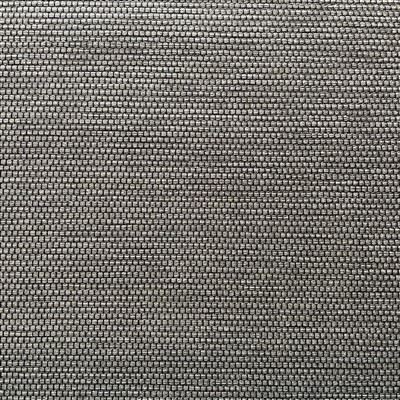
First, let’s get clear on why Textilene fades in the first place. Textilene is a high-performance blend—most commonly a coated polyester, with a PVC layer that adds water resistance and structural strength. The color comes from pigment dyes, and two main factors cause these pigments to break down over time: ultraviolet (UV) radiation from the sun and chemical exposure. Unlike regular cotton, which fades slowly over seasons, Textilene fades much faster when left unprotected because its surface is directly exposed to intense, direct sunlight for hours on end. The UV rays penetrate the fabric’s outer coating, triggering a photochemical reaction that breaks the molecular bonds of the dye pigments. This is called photodegradation, and it’s the number one cause of fading in all outdoor textiles. Chemical exposure, from things like chlorine (in pool areas), sunscreen, lawn fertilizers, or even harsh cleaning products, can also strip pigments from Textilene, accelerating fading even in shaded areas. That’s why even the highest-quality Textilene—like the grades we supply, which are formulated with premium, lightfast dyes—will fade if you don’t take steps to mitigate these two issues.
Now, the good news: preventing fading is entirely manageable with consistent, science-backed practices, and many of these steps are simple enough for even casual users to implement. Let’s start with the most impactful step: limiting direct UV exposure. If you can move your Textilene furniture or covers to a shaded spot when they’re not in use, that cuts down on UV damage drastically. For example, a patio chair left in full sun all day will fade twice as fast as a chair that sits under a patio umbrella or overhang. If moving items isn’t an option, invest in UV-protective covers made for outdoor fabrics—we recommend covers with a UPF (Ultraviolet Protection Factor) of 50+, which blocks 98% of harmful UV rays. Another trick I’ve found works well for boat canopies and large awnings is installing retractable shade sails or mesh panels. These add an extra layer of protection without blocking airflow, which also helps prevent mildew buildup— a secondary issue that can make fading look worse.
Next, choose the right cleaning routine to avoid chemical damage. A lot of people make the mistake of using harsh cleaners like bleach, ammonia, or dish soap on Textilene to remove dirt. These products are too strong for the fabric’s dye and coating, and they’ll strip color over time. Instead, stick to mild, pH-neutral cleaners specifically made for outdoor textiles, or make your own solution at home: mix one gallon of warm water with a quarter-cup of mild laundry detergent (like Woolite, which is gentle on dyes) and a tablespoon of white vinegar. Vinegar is great for breaking down grease and dirt without damaging pigments. When cleaning, always use a soft-bristled brush or a microfiber cloth—never a stiff brush, which can scratch the fabric’s coating and make it more vulnerable to UV damage. Also, avoid power washing Textilene. The high pressure can force water into the fabric’s fibers and strip the dye, especially if the fabric is old or worn. If you need to rinse, use a garden hose on low pressure, and let the fabric air dry completely before folding or storing it. Mold or mildew that grows on damp Textilene can also cause discoloration, so drying thoroughly is key to preventing that.
Another key factor: proper storage during off-seasons. If you live in a climate with cold, snowy winters or long rainy seasons, storing your Textilene items incorrectly can lead to fading and damage. Never store wet or damp fabric—fold or roll it only after it’s completely dry, and keep it in a cool, dry place, like a garage or basement. Avoid storing it in plastic bins that don’t breathe, because trapped moisture leads to mold, which can cause stains that look like fading. If you’re storing cushions, cover them with a breathable fabric cover (cotton works well) instead of plastic. For extra protection, you can also apply a fabric protector spray designed for outdoor polyesters once a year. This spray adds a thin, invisible layer that repels water and blocks some UV rays, slowing down photodegradation. We supply a premium fabric protector that’s formulated specifically for Textilene, so it won’t interfere with the fabric’s breathability or color.
Wait, let’s talk about dye quality for a second—because not all Textilene is created equal when it comes to fading resistance. The dyes used in Textilene are categorized by lightfastness, which is measured on a blue wool scale (from 1 to 8, with 8 being the most lightfast). When we source Textilene for our inventory, we only work with fabrics that have a lightfastness rating of 6 or higher—this means they can withstand 60 hours of exposure to simulated UV light before showing noticeable fading, which is twice as resistant as lower-grade Textilene. If you’ve bought cheaper Textilene in the past that faded quickly, it’s likely because it used low-lightfastness dyes. That’s why choosing a supplier who prioritizes dye quality is such an important first step—you can do all the cleaning and storage right, but if the base fabric has bad dyes, it will still fade fast.
I’ve seen too many customers skip these steps and end up with faded Textilene that looks worn out, even though the fabric itself is still structurally sound. For example, a customer last year bought a set of our high-lightfastness Textilene patio chairs, left them in full sun all summer, and didn’t clean them for 18 months. When he reached out, the chairs were slightly faded, but he brought them back to looking like new with a mild clean and a fabric protector spray. A friend who bought a lower-grade Textilene set from a big-box store had to replace his chairs after just two years, even though he used a cover. That’s the difference between quality fabric and proper care.
Let’s also address some common myths about preventing Textilene fading. A lot of people think that washing Textilene with fabric softener helps, but fabric softener leaves a waxy residue that clogs the fabric’s pores, makes it less water-resistant, and can cause the dye to fade unevenly. Another myth is that black Textilene fades faster than lighter colors—actually, darker colors (like navy, black, or forest green) absorb more heat and UV rays, so they do fade faster than whites or light grays. But with the right care, even dark Textilene can last 5 to 7 years without significant fading. We have commercial clients (like outdoor restaurants and hotels) that use our dark Textilene awnings and chairs, and they only need to reapply fabric protectant once a year, so their colors stay consistent for up to 8 years.
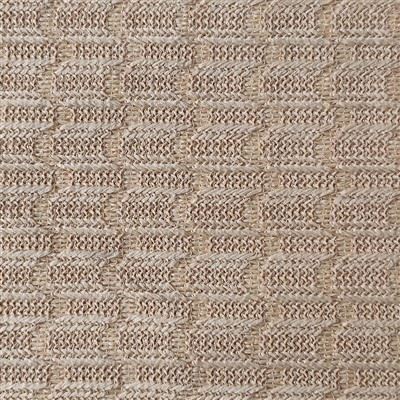
So to wrap this up, preventing Textilene fading is a mix of choosing a quality fabric, limiting UV exposure, using gentle cleaning products, and storing correctly. These steps don’t just keep your fabrics looking good—they extend the lifespan of your Textilene items, saving you money in the long run. If you’re looking for durable, fade-resistant Textilene fabrics for your outdoor furniture, awnings, or boat covers, our team can help you pick the right grade for your needs. We also offer custom solutions, like pre-treated Textilene with extra UV protection, so you can skip some of the aftercare steps if you’re looking for low-maintenance options. To discuss your project or order samples, get in touch with our team today. We’re here to answer all your questions about Textilene care, durability, and customization, and we’re committed to helping you keep your outdoor spaces looking vibrant for years to come.
PP Cross Weaving Fabric References
- Textile Institute. (2020). Outdoor Textiles: UV Resistance and Durability. Textile Research Journal.
- American Society for Testing and Materials (ASTM). (2019). Standard Test Method for Lightfastness of Textiles. ASTM D4999-19.
- Coated Fabrics Association International. (2021). Care and Maintenance of Coated Polyester Textiles for Outdoor Use. CFAI Technical Bulletin.
- University of California Agriculture and Natural Resources. (2022). Outdoor Fabric Care for California Residential and Commercial Landscapes. ANR Publication 8547.
Nanping Kingway New Material Co., Ltd.
As one of the most professional textilene fabrics manufacturers and suppliers in China, we also support customized service. With abundant experience, we warmly welcome you to wholesale durable textilene fabrics in stock here from our factory. If you have any enquiry about pricelist, please feel free to email us.
Address: No. 10, Chengnan Branch Road, Chengjiao Town, Nanping, Fujian, China.
E-mail: npjwxcl@aliyun.com
WebSite: https://www.suernew.com/
