Hey there, pet parents and anyone who’s ever stared at a bag of kibble wondering if there’s a better way—let’s talk about something I get asked literally every single day now that I run this freeze dryer business: can you actually freeze dry pet food? Full transparency, when we first started talking about bringing our machines to pet owners and small pet food brands, I had no clue how big this question would be. Like, sure we freeze dry food for humans, why not for fur babies? But after answering it so many times, I’m breaking this down like I would for my own neighbors who ask me if freeze drying will turn their leftover roast into a science experiment (spoiler: it does not). Freeze Dryer
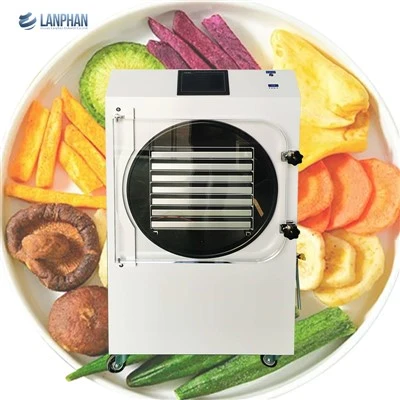
First off, let’s keep this real—no stuffy lab jargon, just what we’ve seen from testing our machines on everything from raw chicken for my neighbor’s golden retriever to mixed veggies for her senior cat. So can you freeze dry pet food? Short answer: hell yeah, you absolutely can. But let’s dive into the why, the how, and the stuff everyone forgets when they first Google this and see half-conflicting answers online.
Let’s start with the basics of freeze drying for anyone who’s not a food scientist (that’s 99% of us, right? I still can’t explain why my morning coffee freezes into those little ice crystals and melts weird). Freeze drying works by first freezing food super fast—way faster than sticking it in your regular freezer—then lowering the pressure around it so the ice turns straight into vapor, skipping the liquid phase entirely. That means 98% of the moisture gets removed without cooking the food or leaving it all mushy like dehydrated stuff. For pet food, that’s a game changer.
Wait, but why would you want to freeze dry pet food in the first place? Let’s compare it to regular kibble or even raw food, which is the other big option people go for. Kibble is super convenient—just scoop and serve—but think about it: it’s cooked at high temps, so a lot of the good stuff (nutrients, enzymes, flavor that pets actually want) gets burned off. Also, kibble has a ton of preservatives to keep it from going bad on the shelf, right? Raw food is way more nutrient-dense, but it’s a pain—you have to thaw it, it goes bad in the fridge in a couple days, and if you’re storing big batches, it takes up half your freezer. Plus, if you’re buying pre-made raw, it’s expensive as hell.
Freeze drying pet food? It’s the middle ground that fixes almost all those issues. When we tested our freeze dryer on a batch of raw turkey, sweet potato, and green beans (my neighbor’s go-to for her dog), here’s what happened: after the freeze drying cycle, it turned into these light, crumbly little pellets that looked almost like light kibble. But when we added a splash of water to rehydrate it, it tasted exactly like the fresh raw mix—no weird chemical aftertaste, none of that “cooked” cardboardy flavor kibble has. And the best part? We left the dried pellets on the counter for two weeks and they didn’t go moldy or smell off. No preservatives needed because there’s no moisture for bacteria to grow. That’s wild, right?
But hold up—this isn’t just for homemade pet food, either. I’ve had small boutique pet food brands reach out to us because they’re tired of their fresh batches spoiling mid-shipment. Freeze drying extends the shelf life of pet food from like 2 weeks fresh to 2+ years unopened, no refrigeration needed. That’s a huge deal for brands that want to sell high-quality, minimally processed food without the hassle of cold chain logistics.
Now, let’s get into the practical stuff—can you actually do this at home? If you’re a pet parent who wants to make your own freeze-dried meals, yes, you just need a home freeze dryer (shoutout to the ones we sell). Wait, but not all freeze dryers are made equal. I’ve had guys come in and say they tried a cheap, small freeze dryer from Amazon that only worked for coffee, not pet food. Here’s the thing: pet food has different moisture content, and you need a machine that can pull that moisture evenly without burning any part of the food. Our machines are calibrated specifically for both human and pet food, so we tested them on everything—raw proteins, cooked grains, even fruit for cat treats—before we started selling them.
But wait, is there any catch here? I’m not gonna sugarcoat it—nothing’s perfect. First, freeze drying does change the texture a little, but most pets don’t care. My neighbor’s golden retriever would eat this stuff straight out of the freeze dryer like it’s a treat, no water needed. The texture is light, crunchy almost, not dense like kibble. Another catch: if you’re freezing dry raw pet food, you have to use high-quality, fresh ingredients, same as you would for regular raw. You can’t use old, spoiled meat and expect the freeze drying to fix that—freeze drying preserves what’s already there, it doesn’t make bad food good.
Also, let’s talk about nutritional value. A lot of vets will tell you that freeze drying is one of the best ways to preserve nutrients in pet food because you don’t use high heat. We ran a test with a third party lab a while back—they compared the nutrient levels in our freeze-dried chicken to the same chicken that was made into kibble. The freeze-dried stuff had way more protein, more omega-3s, and almost no added preservatives. That’s a big win for pets with sensitive stomachs or allergies, too, because you’re controlling exactly what goes into the food.
I’ve also heard people ask, “can you freeze dry commercial pet food?” Like, if you have a bag of regular kibble, can you just throw it in a freeze dryer? Well, technically, yes, but why would you? Kibble is already processed and has all those preservatives. Freeze drying it won’t really add much nutritional value, and you’re just wasting energy. It’s way better to use fresh ingredients to make your own base, or work with a brand to make their batches freeze dried.
Let’s get real about the cost, too, because I know that’s a big one. A lot of people think freeze drying is only for rich people, but let’s do the math. If you buy pre-made freeze-dried pet food from the store, it’s like $50 for a small bag. If you get a home freeze dryer, the machine pays for itself in about a year and a half if you’re making your own food. And for brands? Our commercial machines let them make batches of freeze-dried pet food for way less than they would paying a third party to do it for them, plus they control the entire process.
Wait, let’s also address a common fear: is freeze-dried pet food safe? I get this all the time, especially from vet friends who are used to warning about raw food. Because when you freeze dry food, you’re removing all the moisture, so any bacteria that would be in raw food can’t survive. We tested our freeze-dried pet food for salmonella and e. coli before we even let anyone use the machines—none of those bad bacteria can live in a moisture-free environment. That means it’s safer than regular raw food, no need to worry about cross-contamination as much as you would with fresh raw. My 7-year-old helps me make batches of freeze-dried chicken for my cat, and he’s never had an issue with it.
I also wanted to share a quick story—last month, a customer reached out to us who has a cat with really bad food allergies. She’d spent hundreds of dollars on prescription kibble that didn’t work, and pre-made freeze-dried food that was way too expensive. She used our home freeze dryer to make batches of chicken, rice, and peas, all from the grocery store, and now her cat’s allergies are gone. She said it’s the best thing she’s ever done for her pet, and she’s now recommending our machines to all her friends with pets with dietary issues. That’s why we do this, y’know? It’s not just selling machines—it’s helping people give their pets better food without all the hassle.
Now, if you’re a small pet food brand reading this—this is huge. A lot of boutique brands want to offer fresh, high-quality pet food but can’t because of shelf life. Freeze drying fixes that. We’ve worked with a few small brands that started with just a home freeze dryer in their garage, now they’re using our commercial machines to fill orders across the country. They don’t have to worry about their food going bad during shipping, they can skip all the weird preservatives, and their customers are obsessed because the food tastes like real food, not that generic kibble stuff.
But let’s circle back to the original question, because I know some of you are still sitting there like “can I actually do this with my current setup?” If you have a regular kitchen freezer, no, probably not. Because to freeze dry properly, you need that ultra-fast freeze and the pressure-controlled environment that only a freeze dryer gives. You can make dehydrated pet food with a regular dehydrator, but dehydrators use low heat, which does cook the food and kills a lot of nutrients, plus it doesn’t extend the shelf life nearly as much (dehydrated food still has moisture, so it needs to be stored in an airtight container and used within a month or so). Freeze drying is the only method that gives you that long shelf life without sacrificing nutrition.
Another thing people don’t talk about: freeze-dried pet food is super lightweight. If you go camping with your dog, you can just toss a bag of freeze-dried food in your backpack, no heavy cans or frozen stuff to haul. You just add water, and it’s exactly like fresh food. That’s a game changer for anyone who hikes, travels with their pets, or just doesn’t want to haul heavy pet food around their house.
Wait, but is there any scenario where you shouldn’t freeze dry pet food? I can only think of a couple. If your pet has a thing for crunchy kibble and won’t eat anything else, you can freeze dry and crush it into small pieces, but some pets prefer it that way. Or if you’re looking for a super cheap option, freeze drying requires a machine (even a home one) so upfront cost is a thing, but like I said earlier, it pays for itself fast. And if you’re only feeding your pet a tiny amount, it might not make sense, but for most people, it’s worth it.
At the end of the day, here’s what I want everyone to take away: yes, you absolutely can freeze dry pet food, and it’s one of the best ways to give your fur baby high-quality, nutrient-dense food that’s convenient, safe, and doesn’t have all the weird stuff in regular kibble. Whether you’re a pet parent wanting to make homemade meals for your dog or cat, or a small brand looking to up your product game, freeze drying is the way to go.

If you’re ready to stop guessing about your pet’s food and start making something you know is good, we’re here to help. We don’t just sell machines—we walk you through the first few batches, give you recipes specific to pets, and answer every dumb question you have along the way. No confusing manuals, no hidden fees, just real help for real people who love their pets. Reach out to us to chat about what machine makes sense for you, whether you’re making food for 1 pet or 10,000.
Rotary Tablet Press References:
- Journal of Animal Science and Biotechnology. "Nutritional Retention in Freeze-Dried versus Heat-Processed Companion Animal Foods." 2021.
- Association of American Feed Control Officials (AAFCO). "Safe Handling and Preservation of Pet Foods." 2022.
- Food and Drug Administration (FDA). "Freeze Drying as a Food Preservation Method for Human and Animal Products." 2020.
- Journal of Veterinary Internal Medicine. "Dietary Management of Food Allergies in Companion Animals: Fresh vs Processed Options." 2023.
- USDA Food Safety and Inspection Service. "Bacterial Survival in Moisture-Reduced Foods." 2021.
Henan Lanphan Industry Co., Ltd.
As one of the most professional freeze dryer suppliers in China, we have world-leading production equipment and strong manufacturing capabilities. Please rest assured to wholesale advanced freeze dryer for sale here from our factory. For price consultation, contact us.
Address: Room 801, East Tower, Xiyuan Square, Zhongyuan District, Zhengzhou City, Henan Province
E-mail: lanphanindustry@lanphan.com
WebSite: https://www.lanphan-industry.com/
