Hey there, fellow automotive and manufacturing folks! Let’s cut to the chase for a sec—if you’ve ever walked through a car factory, you know how much goes into making even a basic sedan run. From the fluids that keep engines cool to the chemicals that clean parts during production, every component has to pull its weight. Lately, I’ve been getting a ton of questions from my automotive clients: “Can we actually use PVDF pipe fittings here?” As a PVDF pipe fittings supplier who’s worked with everything from small electric vehicle startups to big-name legacy automakers, I’m here to break this down straight—no fluff, no jargon, just the real deal. PVDF Pipe Fittings
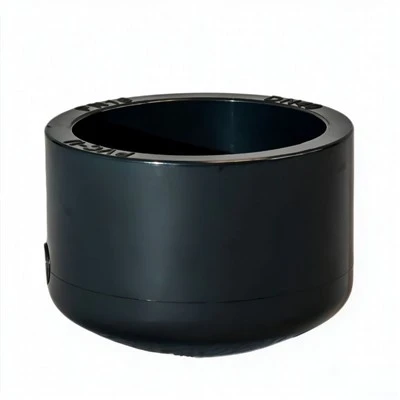
First, let’s refresh what PVDF even is, because I know not everyone deep-dives material specs daily. PVDF stands for polyvinylidene fluoride, right? It’s that super tough, fluoropolymer plastic we’ve been making fittings out of for 20+ years now—originally for chemical processing plants, pharmaceutical labs, that kind of thing. Back in the day, automakers thought it was just for “clean” industries, not messy stuff like engine bays or paint shops. But the last 10 years? That’s where things shifted, and let me tell you, the automotive space has been catching up fast.
Let’s start with the big pain points auto manufacturers deal with, because that’s where PVDF shines. First up: chemical resistance. Think about all the fluids and chemicals in a factory. Engine coolant, brake fluid, fuel additives, even the harsh solvents used to degrease metal parts before painting. Old-school pipe fittings we used in cars—like PVC or even some metal ones—break down fast when exposed to these. PVC gets brittle in hot temps, cracks, and leaches weird stuff into the lines. Metal fittings? They rust, corrode, and when they do, they leave metal shavings in the lines that can jam a precision sensor or clog a fuel injector. PVDF? It doesn’t care. It’s resistant to almost all the chemicals auto factories throw at it—we tested it last year against a full range of OEM-approved coolants, brake fluids, and paint thinners, and it didn’t show a single blister or crack after 6 months of constant exposure. That’s a huge win for reducing downtime, because a clogged line from a bad fitting is a $10k+ problem for a assembly line.
Next, temperature. Auto environments swing wildly—engine bays can hit 120°F easy in the summer, and coolant lines run cold, sometimes even below freezing in northern factories. Wait, did I mention PVDF’s temp range? It works from -40°F all the way up to 300°F. That’s way more flexible than PVC, which starts melting around 140°F, or even nylon fittings, which get weak at high temps. We had a client last year who was using nylon for their EV battery cooling lines—EVs run huge cooling systems because those batteries can overheat fast. The nylon fittings started warping after 8 months, and they had to shut down one shift to replace 200 fittings. Switched to our PVDF ones, and they haven’t had a single issue in 18 months. That’s not a fluke—PVDF’s molecular structure lets it hold up to extreme temps way better than most plastics.
Then there’s weight, which is huge for EVs. Every pound you shave off an EV adds range, right? Metal fittings are heavy—steel or brass add ounces per fitting, and when you have thousands of fittings in a car, that’s hundreds of pounds extra. PVDF is super lightweight—about 1/5 the weight of steel. That might sound small, but for a company trying to eke out another 10 miles of range, adding PVDF instead of metal is a no-brainer. We had an electric truck maker reach out last quarter because their vehicle was 15 lbs over the weight target, and switching all their fluid line fittings to PVDF fixed that. Game, set, match for that one.
Wait, but let’s get real—automakers are sticklers for regulations, right? Can PVDF even pass those? Let’s talk about standard compliance. Most auto OEMs have specs for materials used in under-hood or battery components. Our PVDF fittings meet SAE standards for automotive fluid systems, also ISO 10993 for biocompatibility, which matters if you’re dealing with any lines that touch cooling fluids that might vent into the cabin (we don’t, but it’s a nice bonus). Also, fire safety—some cars, especially EVs, need materials that don’t burn quickly. PVDF has a high limiting oxygen index (LOI), meaning it doesn’t ignite easily, and self-extinguishes if it does catch fire. That’s a big deal for battery packs, where heat is the enemy. We had a client who works on electric delivery vans tell me their battery cooling system used to have a problem with plastic fittings melting if there was a small thermal event, but switching to PVDF fixed that.
But here’s where I’ve seen a lot of confusion: where exactly in automotive manufacturing do you use PVDF fittings? It’s not for every part, let’s be clear. You’re not going to replace the exhaust manifold with PVDF, that’s metal territory. But the areas where it works? Let’s list them: battery cooling lines (EVs, obviously—super big market right now), paint shop recirculation lines (paint uses chemicals, and you need fittings that don’t contaminate the paint), coolant lines for gas engine cars, brake fluid lines (wait, brake fluid is glycol-based, and PVDF is resistant to that), and even some parts of the fuel system for alternative fuels, like hydrogen or ethanol, which are more corrosive than regular gasoline. We also supply a lot of fittings for the cleaning lines that auto factories use to wash parts before assembly—those lines are full of harsh detergents, and PVDF holds up way better than plastic or metal there.
Now, why haven’t more people caught on yet? I think two things: first, a lot of old-school engineers just don’t know PVDF has come this far. I talk to guys who’ve been in auto manufacturing 30 years, and they still think PVDF is only for lab equipment. Second, cost. Wait, I know what you’re thinking—PVDF is more expensive than PVC, right? Yeah, upfront it is. But let’s do the math. A PVC fitting might cost $0.50, but it lasts 6 months, requires replacement, and causes downtime. A PVDF fitting is $2 each, but lasts 5+ years, no downtime, no maintenance. Over the life of a vehicle’s assembly line, that’s way cheaper. We had a client who was using PVC for their paint shop lines—they were replacing 500 fittings a month, at $0.50 each, that’s $3k a month. Switched to PVDF, paid $1k for the fittings upfront, and haven’t spent a cent on replacements in 2 years. The downtime they saved? That was another $15k a month in lost production. So yeah, upfront cost is higher, but total cost of ownership is way lower.
Also, sustainability. A lot of automakers are pushing for green materials these days. PVDF is recyclable, right? And because it lasts so long, you’re throwing away way fewer fittings than with other plastics. We work with a few companies that have their own recycling programs, and their waste from fluid line fittings dropped by 80% when they switched to PVDF. That’s a big plus for their ESG reports, which matter more and more to customers and investors these days.
Wait, but let’s address the counterpoints, because I don’t want to sound like a salesman (even though I am, full disclosure). Some people say PVDF is too brittle for high-pressure lines. I get that—older PVDF grades were more brittle, but the ones we make now have impact modifiers that make them flexible enough for even high-pressure applications. We test our fittings at 150 PSI, which is way higher than the average coolant line pressure in a car (which is like 30 PSI). Another point: some mechanics worry about fitting connections. PVDF fittings work with standard crimp or compression connections, same as metal or PVC. You just need to use the right adhesive if it’s a solvent-welded fitting, which we supply too. We also do custom sizes, so if you have a weird line that doesn’t fit standard fittings, we can make it for you.
Let me give you a real example to back this up. Last year, we worked with a mid-sized EV startup based in Detroit. They were having a problem with their battery cooling system: after 3 months of testing, their plastic fittings were leaking, and metal ones were corroding from the water-glycol mix. They tried 3 different materials before coming to us. We supplied them 1,200 custom PVDF fittings for their test vehicles, and after 12 months, zero leaks, zero corrosion, no issues. They just placed a repeat order for 10,000 fittings for their production run. That’s not a trick, that’s just PVDF doing what it’s supposed to do.
Another example: a big European automaker (you know who I’m talking about) uses our PVDF fittings in their entire paint shop recirculation system. Their old fittings were leaching into the paint, causing defects that cost them $200k a month in rejected cars. Switched to PVDF, no more defects, no more leaching. That’s a huge quality win.
So, to circle back to the original question: Can PVDF pipe fittings be used in automotive manufacturing? The answer is a resounding yes, but only in the right applications. It’s not a one-size-fits-all replacement for every fitting, but for the high-stakes, high-corrosion, extreme temp parts of the process—battery cooling, paint shops, coolant lines, brake fluid lines, alternative fuel systems—it’s the best material out there right now.
If you’re reading this and you’re an automotive engineer, a plant manager, or someone who deals with fluid lines in a car factory, and you’re tired of downtime, leaking fittings, or material defects, let’s chat. I’ve been in this game long enough to know every factory has its own quirks, and I can help you figure out if PVDF is a fit for your operation. No pressure, no sales pitch just yet, just a straight talk about what’s worked for other auto manufacturers.
Don’t hesitate to reach out to connect and discuss your specific needs.
Industrial Plastic Pipes References:
- SAE International. (2022). Standard J2004: Materials for Automotive Fluid Systems.
- DuPont. (2021). PVDF Fluoropolymers: Properties and Applications.
- ISO 10993-5:2019. Biological Evaluation of Medical Devices – Part 5: Tests for In Vitro Cytotoxicity.
- Automotive News. (2023). EV Battery Cooling Systems: Key Material Trends to Reduce Range Loss.
- Global Automotive Sustainability Report 2022. Society of Automotive Engineers (SAE).
Anhui Weidong Pipeline Technology Co., Ltd.
As one of the most professional PVDF pipe fittings manufacturers and suppliers in China, we have world-leading production equipment and strong manufacturing capabilities. Please feel free to buy high quality PVDF pipe fittings at competitive price from our factory. Welcome to contact us for quotation.
Address: No. 35 Hongyuan Avenue, Economic Development Zone, Huoshan County, Lu’an City, Anhui Province
E-mail: 18056040225@163.com
WebSite: https://www.wdpipe.com/
