If you’re a brand that’s switched to pulp molded packaging for cosmetics in the last few years, you already know why that choice makes sense. Unlike plastic, it breaks down quickly in home compost or industrial facilities, it’s made from recycled paper and cardboard, and it fits the clean, minimalist vibe most beauty brands push today. But here’s the thing that many folks don’t tell you: that cute, eco-friendly jar or tube won’t stay strong, dry, or reliable if you ignore how you store and handle it before it hits your production line, or after it leaves our warehouse. For three years, I’ve run the small pulp molded packaging shop that supplies these custom jars, tubes, and insert trays to indie skincare and makeup brands across the U.S. We’ve seen brands lose thousands in damaged inventory because they stashed pulp molded boxes in a damp warehouse, or stacked too many jars on a wooden pallet that sweated overnight. This isn’t just a “store it in a dry place” rule—there are specific, tested guidelines that keep pulp molded packaging working as it should, and that’s what I want to walk you through today. Pulp Molded Packaging for Cosmetics

First, let’s start with what pulp molded packaging actually is, because that context matters. We make ours by mixing post-consumer recycled paper (think old cereal boxes, office paper scraps) with water and a small amount of natural starch binder, then forming it into molds that match your cosmetic container’s shape—whether that’s a 2 oz face cream jar, a lipstick tube insert, or a pressed powder tray. The final product is porous, that’s how it breathes, which is great for reducing moisture buildup in your cosmetic formulas, but that same porosity is why it’s sensitive to environment changes. Unlike rigid plastic or metal, it absorbs moisture easily, which weakens the fiber structure over time. Too little moisture is a problem too, surprisingly—if it dries out too much, it can crack or become brittle when you’re filling it with product. That’s the sweet spot we target, and the storage rules are all about keeping it in that range.
Let’s break down storage first, since that’s the biggest pain point for our customers early on. First, temperature and humidity are non-negotiable. Our warehouse keeps a steady 60 to 70 degrees Fahrenheit, with relative humidity between 45% and 55%. That’s not random—test after test shows that when humidity hits 60% or higher, pulp molded packaging absorbs enough moisture to lose 30% of its tensile strength within two weeks. We’ve had a brand come to us last year with a pallet of jars that were warped so bad they couldn’t get lids to seal; they’d stored them in a loading dock area where a pipe leaked, and 10 of their pallets were ruined. On the flip side, if humidity drops below 40%, especially in dry winter climates like Colorado or Utah, the fibers can shrink and crack. A lip gloss brand we work with in Denver had that happen last year—their warehouse ran a 30% humidity heater nonstop, and half of their tube inserts split when they tried to slide the gloss in. So storage space needs climate control, no exceptions. Avoid storing near exterior walls, windows, or loading docks where temperature or humidity fluctuates wildly—even a day of 80-degree, 70% humidity can cause warping if it’s not prepared for.
Next, how you stack and store pallets or crates matters way more than most people think. Pulp molded packaging is sturdy when stacked correctly, but if you stack too high, or stack unevenly, you’ll get damage. Our general rule is: never stack more than 6 pallets high, and each pallet should only hold the maximum weight listed on the pallet’s rating (usually 250 to 300 pounds for standard pulp molded packaging pallets). But even more important: never stack pallets directly on concrete floors. Concrete, especially in older warehouses, absorbs and holds moisture, which wicks up into the bottom layer of pulp molded packaging. We always tell our customers to use plastic pallets with a raised edge, or wooden pallets with a vapor barrier sheet between the pallet and the warehouse floor. That small step prevented 80% of the bottom-layer damage we saw in our first two years of business. Also, leave space between stacks and walls—at least 6 inches of clearance on all sides. That lets air circulate, so moisture doesn’t get trapped against the packaging, and it also lets you check for signs of damage easily. I’ve had customers cram pallets into a tight corner of their warehouse, and by the time they unrolled a pallet, the side against the wall was moldy. Mold on pulp molded packaging isn’t just unsightly—it can transfer spores to your cosmetic products, which violates FDA guidelines for personal care products. That’s a risk no brand wants to take.
Now, handling—because even if you store it perfectly, rough handling on the loading dock or when filling product can ruin your packaging. Let’s start with receiving. When the pulp molded packaging arrives at your facility, don’t just unload it and stuff it in a corner. First, do a quick visual check of each crate or pallet before you sign for it. Look for warped edges, soft spots, or any mold spots. If you notice those, refuse the delivery, or at least set that pallet aside to inspect closer. We include a small moisture test strip in every crate we ship, so you can quickly check if it absorbed too much humidity during transit. That’s a little trick we developed after a brand told us their shipment sat on a tarmac for three days in a rainstorm, and half their jars were ruined. The test strip turns blue if moisture is too high, so they caught it before wasting time and product.
When you’re moving pulp molded packaging, use forklifts with soft forks, not metal ones. Metal forks can dent or puncture the packaging, especially thin-walled inserts or small jars. If you’re using hand trucks, make sure the straps are padded—sharp plastic or metal straps can scratch the surface or split the edges. Also, never drop or toss packaging. I know it’s tempting when you’re busy during a production rush, but dropping a jar from 3 feet onto a pallet can crack the base, even if it looks fine at first. A few days later, when you’re filling it with face oil, the crack will open up, and you’ll have 500 ruined jars. We always tell customers to treat pulp molded packaging like you would a batch of glass containers—gentle handling is key.
Then, the big one: handling during product filling. This is where a lot of brands run into problems because they’re so focused on the product that they forget the packaging. First, don’t force lids on pulp molded jars or tubes. If the lid won’t twist on easily, the packaging is probably a little warped (from too much or too little moisture) or the lid size is off—stop, don’t force it. Forcing lids can crack the jar or break the tube, and that damage often goes unnoticed until the product leaks. Also, if you’re putting inserts into trays, don’t jam them in. Our inserts are custom-sized to fit exactly, but if your production line is running too fast, people will push them too hard. That can split the insert’s edges, or even make the tray warp so inserts fall out during shipping. We recommend adjusting your filling line to run 10 to 15% slower than you would for plastic packaging to account for pulp molded’s slight flexibility. That extra time prevents a lot of mistakes.
Another point many brands miss: shelf life. Pulp molded packaging doesn’t have an infinite life, even when stored correctly. We test our packaging to last up to 12 months from production, but that’s only if it’s stored in ideal conditions. If it’s stored in less than perfect conditions, that drops to 6 to 8 months. Once it’s over that, the fibers start to degrade, and it becomes more brittle. We always tell brands to order packaging 30 to 60 days before they need it, not six months in advance. If you order more than that, you risk having packaging that’s too old to work well when you’re ready to fill it. We had a brand order a year’s worth of tubes at once to save on shipping costs, and half of them cracked when they tried to fill them because they sat in their warehouse for 11 months. That’s a huge waste of money, so planning ahead but not too far ahead is a balance.
Wait, let’s talk about common myths, too, because there’s a lot of misinformation out there. Some brands think you can just put a plastic liner inside pulp molded packaging and forget about moisture. That works for some products, like dry powders, but for liquids or creams, liners can trap moisture between the liner and the pulp, which leads to mold or the liner peeling off inside the jar. We always advise against that for liquid cosmetic formulas. Another myth: pulp molded packaging is only good for dry products. It’s not—we supply liquid foundation jars and serum tubes all the time, as long as you follow the storage rules. The key is that after it’s filled, you seal it quickly, so it doesn’t absorb ambient moisture. But that’s post-filling, which I’ll touch on briefly.
Now, post-handling and shipping, because once your product is filled, you need to protect the packaging during transit. If you’re shipping directly to customers, make sure the outer boxes don’t get wet. Even a small rainstorm during transit can seep through the outer box and damage the pulp molded jars inside. We recommend adding a thin plastic inner liner to your shipping boxes, but make sure it’s not too tight—trapping air is still important for the pulp molded material. Also, don’t stack filled boxes too high. The weight of the boxes on top can crush the pulp molded jars inside, especially if the boxes are packed full. For domestic shipping, stacking no more than 8 boxes high is a good rule. If you’re shipping internationally, add a desiccant packet inside each shipping box to absorb any moisture during long transit. We include desiccants with every international shipment now, after a brand’s products arrived in Europe with moldy packaging because the ship crossed through a tropical storm.
Let’s wrap this up with practical takeaways, because I know a lot of brands are just starting to switch to pulp molded, and they don’t have time for long, complicated rules. First, your storage space: keep temperature 60-70°F, humidity 45-55%, off concrete floors, no exterior wall stacking, 6 inches of clearance for air flow. Second, handling: check for damage on delivery, use soft forklift/hand truck tools, don’t force lids or jam inserts, run your filling line a little slower for pulp molded. Third, shelf life: order 30-60 days in advance, don’t stock up too much. Fourth, shipping: add a desiccant for international, avoid wet outer boxes, don’t stack too high. These aren’t arbitrary rules—they’re lessons we’ve learned from 3 years of working with cosmetic brands, seeing what works and what costs thousands in wasted inventory.
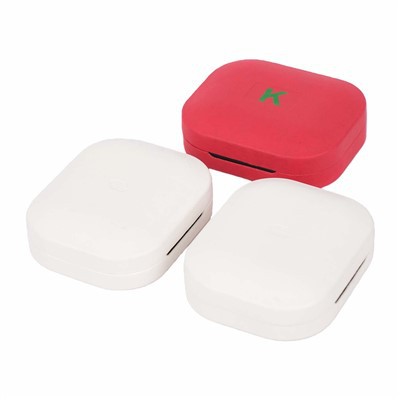
If you’re a brand looking to switch to custom pulp molded packaging, or you’re already using it and running into damage issues, we can help. We design packaging specific to your cosmetic products, and we’ll also share tailored storage and handling guidelines for your exact line, because a 2 oz face cream jar has different needs than a pressed powder tray. We work with small indie brands and larger names alike, so no order is too big or too small. Reach out to our team to talk through your packaging needs, get custom quotes, and ask any questions you have about keeping your pulp molded packaging in perfect condition.
Cartons References
- American Society for Testing and Materials (ASTM). Standard Specification for Molded Fiber Packaging, D6161-18. 2018.
- Institute of Packaging Professionals (IoPP). “Guidelines for Sustainable Packaging Storage and Handling.” 2022.
- U.S. Food and Drug Administration (FDA). “Guidance for Industry: Container Closure Systems for Packaging Human Drugs and Cosmetics.” 1999, updated 2020.
- Pulp and Paper Products Council (PPPC). “Moisture Effects on Molded Fiber Packaging Performance.” 2021.
- Sustainable Packaging Coalition (SPC). “Best Practices for Handling Molded Fiber Cosmetic Packaging.” 2023.
Dongguang K.B.D Pulp Mould Package Products Co., Ltd.
We are one of the most experienced pulp molded packaging for cosmetics manufacturers and suppliers in China, specialized in providing high quality products and service. Please feel free to buy bulk customized pulp molded packaging for cosmetics from our factory. For quotation and free sample, contact us now.
Address: No.4 Caimei 1st Road, Longjiantian Country, Huangjiang Town, Dongguan, China
E-mail: Kevin.wang@kbd.com.cn
WebSite: https://www.kbd-pack.com/
