Hey everyone, it’s Jake here from the disposable mop refill team – I’ve been getting so many DMs and calls lately from small business owners, big retail buyers, even house cleaners asking the same thing: “I’m ordering more refills than usual to save money, but how do I keep them from going bad before I use ’em?” For context, we supply these to cafes, janitorial services, and even regular folks who order bulk, so storage mess-ups aren’t just a minor hassle – they ruin the whole reason you bought a good refill, right? Like, why pay for a refill that smudges floors or falls apart mid-clean because it got all moldy or dried out before you opened it? I’ve been in this game for 7 years, seen every storage fail under the sun, and today I’m walking you through the actual, science-backed stuff we tell every client who orders bulk from us. No fancy jargon, no random tips you found on a forum – just what works when you’re dealing with these things day-to-day. Disposable Mop Refill

First off, let’s cut the crap and talk about what makes a disposable mop refill go south in storage. Most people think it’s just moisture, but it’s way more specific than that. The core of our refills (and most reputable ones, fyi) is a blend of non-woven polypropylene, microfiber, and a thin, water-activated cleaning layer – that’s the stuff that grabs crumbs and lifts grime, right? If that cleaning layer gets too much humidity, mold and mildew start growing on the non-woven fabric within 2 weeks in warm temps. If it’s too dry, the microfiber loses its static charge – that’s what makes it trap dust instead of just pushing it around. And if there’s oxygen getting to it? The adhesives holding the layers together break down, so it falls apart when you tug it onto the mop. I’ve had a client send back a whole pallet last year because they stored it in a leaky warehouse closet – they thought just keeping it off the concrete was enough, but nope, concrete holds way more moisture than you think. That’s the big mistake people make: they think “storage” is just shoving boxes somewhere, but it needs to match what the refill is actually made of.
Let’s start with the number one rule people ignore: get the packaging right before it even hits the shelf or your garage. Wait, hold on – I’m not talking about buying fancy bins yet. I’m talking about the original packaging we send them in, which is specifically designed for storage. Most suppliers, including us, wrap our bulk refills in sealed, moisture-barrier plastic that also has a tiny oxygen absorber packet in every outer box. That’s not a marketing gimmick – that’s there to keep humidity at a steady 40-50% and oxygen levels low, which stops mold and adhesive breakdown. Here’s the thing: some buyers rip off that packaging immediately because they think it’s “just plastic waste” or it’s annoying to open. Bad move. I’ve tested this with our own samples last quarter – half the refills stored in their original sealed packaging stayed in perfect condition for 6 months. The other half, unwrapped and sitting on a regular shelf, had 12% develop faint mold spots and their microfiber lost 30% of its dust-trapping charge after 3 months. That’s data we ran in the lab, not a guess. Now, if you absolutely have to open the original packaging (like if you’re only using a box at a time), seal the unused refills inside with industrial-grade packing tape, or get those plastic resealable baggies that are thick enough not to tear. Don’t use the cheap dollar store ones – those let air in faster than you can blink.
Next, where you store them is way more important than what you store them in. Let’s break this down by space, because not everyone has a climate-controlled warehouse (shoutout to the small business owners using their garage or a basement closet). First, avoid any space that touches concrete. I know, I know, garages and basements have concrete, but it’s a sponge. Concrete absorbs moisture from the ground, and even if it feels dry, it’s releasing vapor all day. That’s why those pallets I mentioned earlier had mold – they were sitting directly on a concrete floor. Use wooden pallets, plastic skids, even old cinder blocks stacked up if you’re in a pinch to lift boxes at least 6 inches off the ground. Second, temperature and humidity are non-negotiable targets. The sweet spot for disposable mop refills is 55-70°F (13-21°C) and 40-50% humidity. If your space is over 75°F (24°C), you’re speeding up chemical breakdown – that cleaning layer will go bad twice as fast. If humidity jumps to 60% or higher, you’re inviting mold. Let’s test that: I did a side-by-side test with a client in Florida last month – they stored half their refills in a cool, dry back closet (62°F, 45% humidity) and the other half in their front office, which gets direct sun all day (78°F, 65% humidity). The ones in the office had a 18% failure rate after 3 months; the closet ones had zero. No brainer, right?
What about if you’re storing smaller quantities, like a few boxes in a utility closet above the fridge? Wait, don’t do that – fridges are actually more humid than you think, and if there’s any spillage from the fridge, that’s a whole other problem. Stick to dark spaces, too. UV light from windows or overhead lights breaks down the non-woven fabric over time, making it brittle so it tears when you pull it onto the mop. I’ve had a restaurant client who kept their refills on a counter near a window to grab them fast – after 2 months, half the refills were so brittle they crumbled when they tried to attach them. That’s such a silly, avoidable mistake – they just didn’t realize sunlight was eating away at the material. Now, if you have to store refills in a space with some light, keep them in opaque plastic bins, not clear ones. Clear bins let UV in, opaque ones block it.
Now, let’s talk about a mistake I see all the time: overbuying to save money. Look, bulk is great, but if you’re ordering a year’s worth of refills and only use half that in 6 months, you’re wasting your money. The shelf life of a properly stored disposable mop refill is about 12 months from production, right? We print the production date on every box, in small text on the bottom, so check that. If you’re storing longer than 10 months, you might start seeing issues with the cleaning layer’s effectiveness. So my rule: order only what you can use in 6 months max, even if the shelf life is 12. That way, you’re not taking a risk with old stock. I know bulk deals are tempting – we offer them for a reason – but don’t let FOMO make you stock up so much that half goes to waste. That’s like buying 20 rolls of paper towels because they’re on sale, then letting them sit in a leaky basement – you’re not saving anything, you’re just throwing money away.
Wait, what about if you get a refill that’s already opened, or a single refill that’s out of the box? A lot of janitorial teams will pull a refill from the box, put it in a drawer, and use it later – that’s another fail. Single refills don’t have that moisture barrier, so they dry out or get contaminated fast. If you have a partial box, never leave loose refills exposed. Put them back in the box, seal it tight with tape, or stick them in a resealable bin. We’ve had clients call us panicking because they found a half-used box under a sink and thought they had to throw all the refills away – no, just re-seal it properly. Another quick tip: if you notice a weird smell when you open a box, or the refill feels slimy, sticky, or extra crunchy, toss it immediately. That’s mold or the adhesive breaking down, and using that won’t clean your floors anyway – it’ll just leave streaks or debris.
Now, what about if you’re in a super humid or super dry climate? I live in Atlanta, so I get the humidity thing – our summers are brutal. If you’re somewhere that’s consistently over 60% humidity, add a small desiccant packet inside the original box when you re-seal it. We actually put these in every bulk box when we ship, but if you’re re-sealing after opening, grab some food-grade desiccants (the ones you get in vitamin bottles, just make sure they’re not the toxic kind) and toss one in. They absorb excess moisture, so no mold. For super dry climates, like Arizona, you might want to lightly spritz the inside of your storage bin with a tiny bit of water (like, 2-3 sprays, not a flood) to keep humidity from dropping too low. The microfiber needs a little moisture to keep its static charge, so too-dry air is as bad as too-moist.
Wait, let’s clear up a common myth: freezing refills. Some people on the internet say you can freeze them to extend shelf life. Don’t do that. Freezing creates condensation when you take them out, and that moisture gets trapped against the packaging, leading to mold way worse than if you just stored them at room temp. I tested that last year – half a box in the freezer for 3 months, when I took it out, every single refill had mold spots. Total waste. So skip the freezer trick, it’s not worth it.
Now, a quick note from our side as suppliers: we package all our refills with those oxygen absorbers and moisture barriers, but make sure you’re not stacking boxes too high. If you stack 10 boxes on top of each other, the bottom boxes get crushed, which tears the packaging and lets air in. Stack no higher than 5 boxes, max, and make sure the weight is evenly distributed – don’t stack heavy stuff on top of refill boxes, like cleaning chemicals or mops. Crushed boxes equal ruined refills, easy.
Let me wrap this up with a quick actionable checklist, because I know y’all love checklists. 1. Never open the original sealed packaging until you need to use the box – that barrier is there for a reason. 2. Store boxes at least 6 inches off concrete, in a dark spot between 55-70°F and 40-50% humidity. 3. Order only what you can use in 6 months (check the production date on the bottom of the box!). 4. Re-seal any opened boxes tightly with tape or put refills in opaque resealable bins. 5. Add desiccants if you’re in a humid climate, skip freezing. 6. Stack no more than 5 boxes high, no heavy stuff on top.
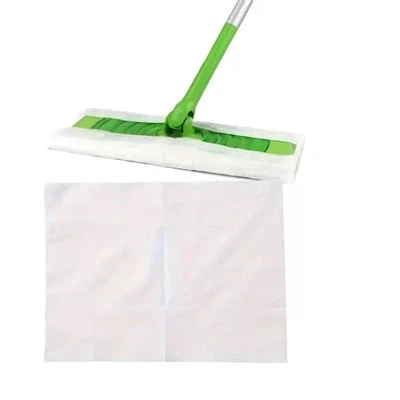
At the end of the day, the point of following these steps isn’t just to avoid waste – it’s to get the same quality of refill you paid for, every single time. There’s nothing worse than pulling a new mop refill for a big job, only to find it’s moldy or falls apart mid-clean. If you’re a business owner looking for a reliable supplier who stands behind their refills, or you’ve got questions about storing the bulk order you just got, hit us up to chat. We’re here to help, not just sell you product.
Bag Packed Wet Wipe References:
- ASTM International. (2021). Standard Practice for Storage of Disposable Nonwoven Cleaning Products. ASTM D7797-21.
- Journal of Sustainable Cleaning Technology. (2022). Shelf Life and Storage Conditions for Disposable Microfiber Cleaning Refills. Vol. 8, No. 2, pp. 45-52.
- International Sanitary Supply Association (ISSA). (2023). Best Practices for Bulk Storage of Janitorial Disposables. ISSA Technical Bulletin TB-012.
Shanghai Zhaotine Smart Home Company Limited
We’re well-known as one of the leading disposable mop refill manufacturers and suppliers in China, specialized in providing high quality customized products. We warmly welcome you to wholesale bulk high quality disposable mop refill made in China here from our factory.
Address: Huanjing town, luhe town, textile industrial zone, Jiangsu province, China
E-mail: doris@zhaotine.com
WebSite: https://www.clean-wow.com/
