If you’ve ever stood on the manufacturing floor of a packaging plant, a sign shop, or a construction material supplier, you’ve probably encountered the quiet workhorse that is the plastic sheet machine. As a supplier of these machines, I’ve spent the last decade talking to processors who are stuck trying to pick the right equipment for their production lines. The question I hear most often isn’t “what’s the best machine”—it’s “how does my current plastic processing setup stack up against plastic sheet machines?” Today, I want to break that down in plain, manufacturing floor terms, no fancy jargon, just real-world comparisons that I’ve seen play out hundreds of times with my own clients. Plastic Sheet Machine
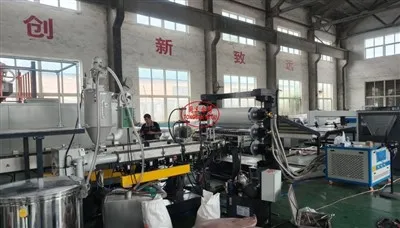
First, let’s get clear on what each core plastic processing workhorse does, because that’s where most of the confusion starts. When I sit down with a new client, I don’t lead with specs—I start with their end goal. If someone needs thin, flexible material like cling wrap or grocery bags, they reach for a film extruder. If they need small, hollow containers like soda bottles or shampoo bottles, blow molding is their go-to. Thermoforming is the one that shapes heated sheets into things like takeout containers or plastic cups, and injection molding makes rigid, precise parts like toy components or battery casings by injecting molten plastic into a mold. Then there’s the plastic sheet machine: this is the equipment that melts raw plastic resin (usually polyethylene, polypropylene, or PVC) and forces it through a flat die to create a continuous, uniform sheet—think the rigid plastic used for signage, packaging trays, or even construction insulation panels.
Let’s start with the biggest comparison point everyone cares about: production flexibility. I once had a client who owned a small thermoforming shop, and he swore by his thermoformers until we talked through his pain points: he was always delayed if his sheet supplier had a backlog, and he couldn’t adjust the thickness of his material on the fly without placing a custom order. When he brought in a plastic sheet machine, the difference was night and day. Thermoformers are great for finished parts, but they’re tied to pre-made sheets—you have no control over sheet dimensions mid-run, and switching between resin types (like moving from PET for food packaging to PVC for industrial trays) takes hours of cleaning and recalibrating. Plastic sheet machines, on the other hand, let you adjust sheet thickness from 0.1mm to 10mm in minutes, swap out resin types on the same line, and even run custom-sized sheets without waiting for external suppliers. That said, if your only output is tiny, high-volume parts like pill blister packs, thermoforming might still be cheaper per unit for small runs—plastic sheet machines shine when you need bulk, variable-size sheets that feed into multiple downstream processes.
Next up: material waste, which is make-or-break for profit margins. A food packaging client of mine in the Midwest used to run injection molding for their custom trays, and they were throwing away 18% of their plastic each run. Why? Injection molding requires excess material to fill the mold and clean the machine between runs, plus the leftover sprues (the plastic that connects parts to the mold) can’t always be recycled on-site because they’re mixed with mold release agents. When they switched to feeding their own sheets from a plastic sheet machine, their waste dropped to less than 5%—here’s why: sheet machines melt resin evenly, so there’s no excess needed to fill a mold, and any off-cut sheet trim from a run can be ground up and re-mixed with new resin immediately, no special processing required. The only exception here is blow molding, which has very low waste for hollow parts, but that’s only for specific shapes—you can’t use blow molding to make the large, flat sheets that construction or sign companies need. I always tell clients: if 10–15% waste is eating into your bottom line, a plastic sheet machine is worth the upfront cost, even if injection molding or blow molding have lower per-unit prices for now.
Then there’s production speed and scalability, which is where things get nuanced. Let’s compare output rates across the board. A basic blow molding machine makes about 600 2-liter bottles per hour, max. A small injection mighter makes around 10,000 small parts per hour, but only if they’re simple shapes. A plastic sheet machine? A mid-sized line can produce up to 1,500 linear meters of sheet per hour, depending on thickness. That’s bulk output that’s hard to match for flat, uniform material. But wait—if you’re producing single, specific parts in huge volumes, like 1 million identical water bottles a month, blow molding will outpace a sheet line because it’s dedicated to one product and doesn’t require secondary thermoforming steps. The sweet spot for a plastic sheet machine is when your production is scalable across multiple products. For example, a client I work with in Texas uses their sheet line to make sign blanks one month, construction insulation sheets the next, and retail packaging displays the month after that—they don’t have to switch out entire machines, just adjust die settings. That flexibility makes scaling up much easier than investing in separate blow molding or injection lines for each product.
One area that clients often overlook is maintenance and training costs, which add up over time. When I sold my first sheet machine 12 years ago, I had a client who tried to get by with a used injection mighter to make sheets, and he spent $12,000 a year on unexpected breakdowns because injection machines aren’t designed for continuous flat extrusion. Plastic sheet machines are built for long, consistent runs—their extruders are calibrated to melt resin evenly across the entire die, so they don’t experience the same wear and tear that injection machines do, which cycle on and off for individual part runs. Training is another factor: an operator can learn to run a basic sheet machine in three days, whereas injection molding takes two weeks, and blow molding requires specialized certification for mold changes and pressure adjustments. That’s a big win for small to medium shops that can’t afford a large dedicated maintenance or training team.
But here’s the catch: plastic sheet machines aren’t right for every job. I had a client in Florida who ran a small custom toy business, and he came to me asking for a sheet machine to make tiny plastic action figure parts. That’s a bad fit. Sheet machines are optimized for large, flat material—they can’t produce the precision, small, hollow or intricate parts that injection molding excels at. For that toy client, a small injection mighter was a far better, lower-cost option. Another common mistake: buying a sheet machine that’s too large for your downstream demand. If you only need 100 sheets a day, a heavy-duty sheet line that makes 1,500 an hour will run inefficiently, with too much energy use for your output. The sweet spot for sheet machines is businesses that need flat, uniform material that can be thermoformed, cut, or printed on—packaging, signs, construction, agricultural mulch films (wait, yes, some agricultural sheets are made with these machines) are all core markets.
Over the years, I’ve seen processors make two common mistakes when comparing equipment: either they pick the cheapest upfront machine without thinking about long-term waste or flexibility, or they assume all plastic processing equipment is interchangeable. The reality is that each piece serves a specific niche, and plastic sheet machines fill a gap that no other equipment does: they turn raw resin into consistent, customizable, bulk flat material that can feed into countless other processes, without the waste, lead times, or inflexibility of relying on external sheet suppliers.
For anyone weighing their options, the question to ask isn’t “which is better?”—it’s “what do I need my material to do, and what’s my long-term goal?” If you’re tired of waiting for sheet deliveries from third-party suppliers, tired of high waste from multiple machine lines, or want the ability to adjust your products to match changing customer demands, a plastic sheet machine will almost always outperform other equipment in that scenario. If you’re making tiny, high-volume custom parts, stick with injection molding. If you’re making hollow containers, blow molding is your best bet. But if flat, flexible, scalable material is part of your production, that plastic sheet machine is probably the missing piece your line needs.
At the end of the day, I’m in this business to help processors make money, not sell equipment that doesn’t fit their needs. If you’re tired of bottlenecks, waste, or rigid production lines that can’t keep up with customer demands, I’m here to walk through your specific needs, compare your current setup to what a plastic sheet machine can offer, and help you make a decision that works for your bottom line. Let’s connect to talk through your production goals, no sales pitch, just honest advice.
Plastic Sheet Machine REFERENCES
- Peterson, L. (2021). Modern Plastic Processing Equipment: A Guide to Selection and Optimization. Industrial Press Inc.
- Smith, J. (2022). Waste Reduction in Polymer Processing: Case Studies for Small to Medium Manufacturers. Journal of Manufacturing Science and Engineering.
- Rodriguez, M. (2020). Scalability of Plastic Extrusion Lines for Flexible Packaging Applications. Packaging Technology and Science.
Qingdao Tongsanhegu Plastic Machinery Manufacturing Co., Ltd.
With abundant experience, we are one of the most reliable plastic sheet machine manufacturers and suppliers in China. We warmly welcome you to buy durable plastic sheet machine for sale here from our factory. Quality products and reasonable price are available.
Address: West of Xixinzhi Village, Sanlihe District Jiaozhou, Qingdao City, Shandong Province, China
E-mail: info@tongsanhegu.com
WebSite: https://www.tongsanhegumachine.com/
