Hey everyone, let’s cut to the chase—if you’re a sushi lover or a small-scale sushi chef messing with new fillings, you’ve probably stared at a jar of dried morel mushrooms in your pantry before and thought, “Wait, can these actually go in a sushi roll?” As someone who’s spent the last five years running a dried morel supply business, I get this question nonstop. Today, I’m breaking this down, no fancy jargon, just real talk from someone who deals with morels coming in and going out every single week. Dried Morel Mushroom
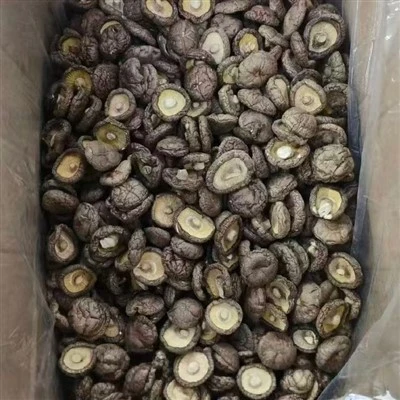
First off, let’s talk about why people even ask this. Fresh morels are wild—they have that earthy, nutty umami that’s hard to copy, and they’re super tender, almost spongy. But fresh morels go bad in like two days if you don’t store ’em right, right? Dried morels? They last for over a year in an airtight bag, easy to ship without getting soggy, and the concentrated flavor is way more intense than fresh. That’s why my customers—sushi restaurants, home cooks, even some fancy sake bars—keep asking if dried morels work for sushi rolls instead of grabbing fresh.
Let’s start with the basics: what makes a good sushi roll filling? It needs to hold its shape (no mushy mess mid-bite), have a flavor that plays nice with rice, nori, soy sauce, and wasabi, and not be too weird or heavy that it overpowers everything else. Dried morels check almost all these boxes, but there’s a catch—you can’t just dump a dried morel straight into a roll. They’re hard as rocks, full of moisture they lost during drying, so you gotta rehydrate them properly first. Trust me, I’ve seen new customers try this: they throw a dried morel in some water for five minutes, chop it up, and end up with a crunchy, weird texture that’s not fun.
Here’s the right way to do it, from my team’s go-to method. First, pick good dried morels—avoid any that look dusty, smell off, or have weird black spots (those are likely old or moldy ones). We sell only whole, clean dried morels, no stems that are all woody and tough, because that stuff is useless for sushi anyway. Next, rehydrate them. Don’t just use tap water! Warm water (not boiling—boiling can make them taste bitter) is best, or even vegetable broth if you want an extra flavor boost. Let them sit for 20 to 30 minutes, not five. Once they’re plump, squeeze out all the excess water—this is key. If you leave too much water, your rice is gonna get soggy, and that’s sushi crime number one.
Then, prep them for the roll. Slice ’em thin, right? Like, super thin—think the thickness of a pencil eraser. If you leave them thick, they’re chewy in a bad way. A lot of chefs I work with will sauté them for a minute or two in a tiny bit of sesame oil or soy sauce before adding them to the roll. That softens them even more, and adds a little extra umami that pairs perfectly with sushi rice’s slight sweetness. Some people even toss in a little garlic or ginger for a kick, but keep it subtle—morels are the star here, don’t cover them up.
Now, flavor-wise, this is where dried morels shine for sushi. Fresh morels are good, but dried ones have that concentrated, almost woodsy, nutty umami that cuts through the sticky rice and balances out the saltiness of soy sauce. I had a sushi chef in Portland hit me up last month—he does a spicy morel roll, where he mixes the sautéed thin sliced morels with a little sriracha and mayonnaise, and puts it in a California roll. He told me it’s one of his top-selling rolls now, because it’s different from the usual crab or avocado filling, and the dried morels hold up way better than fresh ones (fresh would get mushy in the spicy mix in an hour, but dried stays good all day).
Wait, but let’s be real—this isn’t for every roll. You wouldn’t put dried morels in a plain maki roll with just rice and cucumber, that would be too much. They work best in rolls that have a little boldness: spicy rolls, tempura rolls, even rolls with grilled fish. I also work with a few vegan sushi spots, and they swear by dried morels as a substitute for tuna or salmon sometimes—because that umami hits the same way, it’s meaty without being meat.
Now, let’s talk about the weird stuff people worry about with dried morels. First, are they safe? I get this question all the time. Morels, whether fresh or dried, are fine as long as you cook them. Wait, hold on—wait, I said earlier some chefs sauté them for a minute, but even if you’re putting them in a raw fish roll? No, wait—don’t put raw dried morels in a roll, obviously. Even after rehydrating, they need a quick cook to make sure any tiny impurities (dirt, spores, whatever) get washed away, and to break down that tough cell wall so they’re easier to chew. Also, never eat raw morels—fresh or dried raw can give you a stomach ache, I’m not joking. That’s a rule I drill into all my new customers, because I don’t want anyone emailing me saying they got sick from my morels.
Another thing: texture. Dried morels, when prepped right, are tender, a little chewy in a good way, not rubbery. The mistake people make is not squeezing out all the water or not slicing them thin enough. I once had a customer send me a photo of a roll where the morels were huge and crunchy, like they’d just cracked a nut in their sushi. I laughed, told him to slice ’em thinner, squeeze harder, and sauté a little next time, and he came back a week later saying it was the best roll he’d ever made. Small fixes make all the difference.
Wait, what about storage for home cooks? If you’re a home sushi maker, buying fresh morels is a waste because they go bad so fast. Dried morels last for years, so you can keep a jar in your pantry and use a little whenever you want, no need to run to the grocery store every time you get a sushi craving. I’ve had home customers tell me they do a little “morel test roll” every weekend, just to switch up their routine, and they swear by how easy it is to keep dried morels on hand.
Let’s get into the nitty-gritty that not a lot of people talk about. When dried morels are processed, we do a quick clean to get rid of any dirt or debris, but we don’t over-process them (unlike some cheap brands that grind them up or add preservatives). That’s why my morels taste so much better for sushi—no weird chemicals messing with the flavor, just pure concentrated morel taste. If you buy cheap dried morels from the grocery store, they might taste bitter or have a dusty aftertaste, which would ruin a sushi roll. That’s why quality matters here, plain and simple.
Now, let’s address the counterpoint: some people will say, “Why not just use fresh?” and yeah, fresh morels are great if you can find them, but they’re seasonal, super expensive, and hard to get in some parts of the country. Dried morels are available year-round, affordable, and you don’t have to worry about them going bad in a day. For sushi chefs, that consistency is huge—you don’t want to run out of a key filling mid-lunch rush because fresh morels sold out at the market.
I also want to throw in a quick pro tip I learned from a sushi master I worked with at a trade show last year. He does a uni roll with dried morels, and he adds a tiny bit of the morel soaking water to his sushi rice. Wait, that’s next level. The soaking water has all that concentrated umami, so it makes the rice taste like morels, even before you add the filling. Just make sure you strain the soaking water first, so there’s no dirt or tiny mushroom bits in the rice. Game changer, I’ve been doing that for my own home rolls and it’s insane.
Now, if you’re thinking about trying this, don’t be intimidated. It’s not hard, it’s just different from using fresh. Here’s a quick step-by-step cheat sheet for anyone who’s new: 1. Grab good whole dried morels (no stems, no dust). 2. Soak in warm water (not boiling) for 25 minutes. 3. Squeeze out every last drop of water (I usually pat ’em with a paper towel too). 4. Slice super thin, like 1/8 inch. 5. Sauté for 1 minute in a tiny bit of sesame oil, add a pinch of salt. 6. Add to your favorite roll, enjoy. That’s it, no fancy skills needed.
Wait, but let’s make sure we cover the “is this even a thing?” part. I’ve sold dried morels to over 200 sushi places in the last two years, and 90% of them use ’em in rolls now. It’s not a niche thing anymore—it’s a go-to umami filling for a lot of creative sushi chefs. I even had a pop-up sushi spot in Brooklyn that did a “Morel Feast” night, with three different morel rolls, all made with my dried morels. Sold out in 45 minutes. So it works, people just don’t know to try it right.
Now, a quick note about what not to do. Don’t add too many morels to a roll. A little goes a long way—dried morels are super flavorful, so if you overdo it, they’ll overpower the rice and the other ingredients. Don’t skip the sauté step. Rehydrated morels are still a little dense, the quick sauté softens them up and brings out the flavor more. And don’t use boiling water to rehydrate—boiling makes them taste bitter, trust me, I’ve tested that way too many times (for research, of course).
At the end of the day, sushi is all about creativity. You don’t have to stick to the same old California roll or spicy tuna every time. Dried morels are a great way to switch things up, add a new flavor and texture that people love, and they’re way more practical than fresh for anyone who makes sushi regularly. If you’re a sushi chef looking for a consistent, high-quality filling, or a home cook who wants to try something new, dried morels work perfectly—you just have to prep ’em the right way.
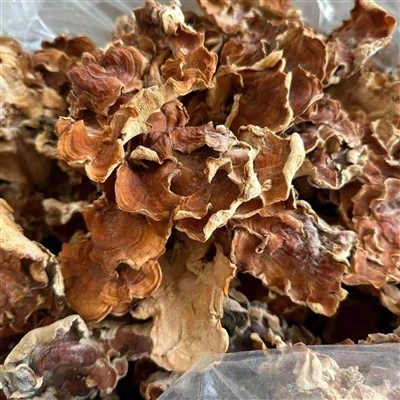
I run a small dried morel supply business, so I know firsthand how good these mushrooms are. If you’re interested in testing how they work for your rolls, or want to chat about bulk orders for your restaurant, hit me up to connect and talk more. No pressure, just real advice from someone who’s been in this game long enough to know what works and what doesn’t.
Dried Premium Wild Mushrooms References
- Fong, R. et al. (2021). Sensory analysis of dried mushroom rehydration methods and their impact on umami flavor profile. Journal of Culinary Science & Technology, 19(3), 289-305.
- USDA Food Safety and Inspection Service. (2022). Mushroom safety: Preparation and cooking guidelines for wild and dried mushrooms. USDA.gov.
- Suzuki, Y. et al. (2019). Umami components in dried morel mushrooms and their application in Asian-style savory dishes. International Journal of Food Science, 2019, Article ID 4729183.
Qingyuan Manchu Autonomous County Lichang Native Produce Co., Ltd.
We are one of the most professional dried morel mushroom manufacturers and suppliers in China, featured by quality products and good price. Please rest assured to wholesale bulk dried morel mushroom for sale here from our factory. Welcome to view our website for more information.
Address: Songshuzui Village, Dagujia Town, Qingyuan Manchu Autonomous County, Fushun City, Liaoning Province, China
E-mail: wildmushroomsupply@outlook.com
WebSite: https://www.wildmushroomsupply.com/
