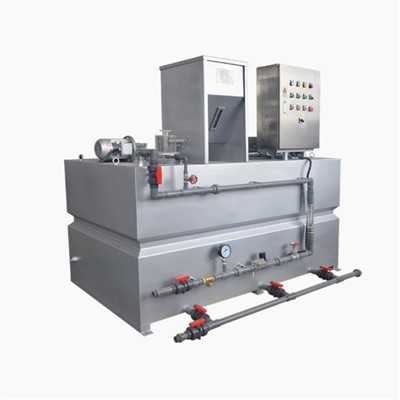
Hey there! I’m a supplier of Packaged Sewage Treatment Plants, and I’ve seen firsthand how crucial it is to pick the right one for your needs. In this blog, I’ll share some tips on how to make that decision, based on my years in the business. Packaged Sewage Treatment Plant
Understanding Your Needs
First things first, you gotta figure out what you actually need from a sewage treatment plant. Are you looking to treat sewage from a small home, a large commercial building, or something in between? The size of the facility you’re serving will play a huge role in determining the capacity of the treatment plant you need.
For a single-family home, a smaller plant with a capacity of around 500 to 1,000 liters per day might be sufficient. These are often designed to handle the relatively low volume of sewage generated by a small household. On the other hand, if you’re dealing with a commercial establishment like a hotel or a restaurant, you’ll need a much larger plant with a capacity of several thousand liters per day.
Another important factor to consider is the type of sewage you’ll be treating. Is it mainly domestic sewage, or does it contain industrial waste? Domestic sewage typically consists of water from toilets, sinks, and showers, and it’s easier to treat compared to industrial waste, which may contain chemicals, heavy metals, and other contaminants.
If you’re dealing with industrial waste, you’ll need a treatment plant that’s specifically designed to handle these types of contaminants. This may involve additional treatment processes, such as chemical precipitation, filtration, or biological treatment.
Types of Packaged Sewage Treatment Plants
There are several types of packaged sewage treatment plants available on the market, each with its own advantages and disadvantages. Here are some of the most common types:
Activated Sludge Process
This is one of the most widely used methods for treating sewage. It involves the use of microorganisms to break down organic matter in the sewage. The process typically takes place in a series of tanks, where the sewage is mixed with activated sludge (a mixture of microorganisms and water). The microorganisms consume the organic matter, and the treated water is then separated from the sludge.
The activated sludge process is highly effective at removing organic matter and nutrients from the sewage, but it requires a relatively large amount of space and energy to operate. It also requires regular maintenance to ensure that the microorganisms are healthy and functioning properly.
Trickling Filter
A trickling filter is a type of biological treatment system that uses a bed of media, such as rocks or plastic, to support the growth of microorganisms. The sewage is sprayed over the media, and the microorganisms break down the organic matter as the sewage trickles through the bed.
Trickling filters are relatively simple and inexpensive to operate, but they are not as effective at removing nutrients as the activated sludge process. They also require a relatively large amount of space to install.
Membrane Bioreactor (MBR)
An MBR is a combination of a biological treatment process and a membrane filtration system. The sewage is first treated in a biological reactor, where the microorganisms break down the organic matter. The treated water is then passed through a membrane filter, which removes any remaining solids and microorganisms.
MBRs are highly effective at removing organic matter, nutrients, and pathogens from the sewage, and they require less space than traditional treatment systems. However, they are more expensive to install and operate than other types of treatment plants.
Constructed Wetlands
Constructed wetlands are a natural way to treat sewage. They involve the use of plants and microorganisms to remove pollutants from the water. The sewage is passed through a wetland area, where the plants absorb nutrients and the microorganisms break down the organic matter.
Constructed wetlands are relatively inexpensive to install and operate, and they are also environmentally friendly. However, they require a relatively large amount of space to install, and they may not be suitable for areas with cold climates.
Factors to Consider When Choosing a Packaged Sewage Treatment Plant
Now that you have a better understanding of your needs and the different types of treatment plants available, here are some factors to consider when choosing a packaged sewage treatment plant:
Capacity
As I mentioned earlier, the capacity of the treatment plant is one of the most important factors to consider. You need to make sure that the plant can handle the volume of sewage generated by your facility. It’s also a good idea to choose a plant with a slightly higher capacity than you actually need, to allow for future growth.
Efficiency
The efficiency of the treatment plant is another important factor to consider. You want to choose a plant that can effectively remove pollutants from the sewage, while using as little energy and water as possible. Look for plants that have a high removal rate for organic matter, nutrients, and pathogens.
Maintenance
All treatment plants require some level of maintenance, but some are more maintenance-intensive than others. You want to choose a plant that is easy to maintain and that has a good track record of reliability. Look for plants that come with a comprehensive maintenance plan and that have a good warranty.
Cost
The cost of the treatment plant is obviously an important factor to consider. You want to choose a plant that fits within your budget, but you also don’t want to sacrifice quality for price. Look for plants that offer a good balance of cost and performance.
Regulatory Compliance
Finally, you need to make sure that the treatment plant you choose complies with all relevant regulations and standards. This includes local, state, and federal regulations regarding the treatment and disposal of sewage. Make sure to check with your local environmental agency to find out what regulations apply to your area.
Conclusion
Choosing the right packaged sewage treatment plant is a big decision, but it doesn’t have to be overwhelming. By understanding your needs, the different types of treatment plants available, and the factors to consider when making your choice, you can make an informed decision that will meet your needs and your budget.
Other Sewage Treatment Equipment If you have any questions or need more information about choosing the right packaged sewage treatment plant, don’t hesitate to contact me. I’m here to help you find the best solution for your needs.
References
- Metcalf & Eddy. (2003). Wastewater Engineering: Treatment and Reuse. McGraw-Hill.
- Tchobanoglous, G., Burton, F. L., & Stensel, H. D. (2003). Wastewater Engineering: Treatment, Disposal, and Reuse. McGraw-Hill.
- USEPA. (2017). Design Manual: Onsite Wastewater Treatment and Disposal Systems. U.S. Environmental Protection Agency.
Shandong Lingke Environmental Technology Co., Ltd.
We’re well-known as one of the leading packaged sewage treatment plant manufacturers and suppliers in China, featured by quality products and good price. Please rest assured to buy durable packaged sewage treatment plant for sale here from our factory. Customized orders are welcome.
Address: 100 Meters South of the Intersection of County Road 042 and National Highway 309, Changle County, Weifang City, Shandong Province
E-mail: aileenlin@sdlingkegroup.com
WebSite: https://www.lkecotech.com/
