Hey there! I’m a supplier of raised access floor tiles, and I often get asked if these tiles can be used in areas with high humidity. It’s a great question, and one that I’m more than happy to dive into. Raised Access Floor Tile
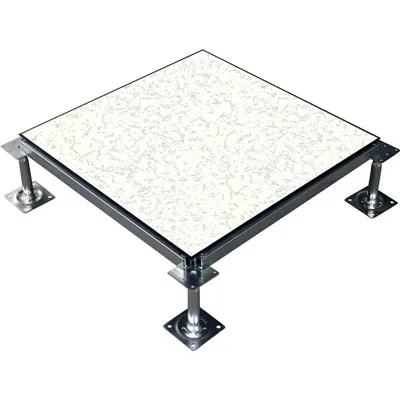
First off, let me give you a quick rundown of what raised access floor tiles are. They’re basically elevated floors that sit on top of a support structure, creating a space underneath for things like wiring, plumbing, and ventilation. They’re super popular in commercial buildings, data centers, and even some residential settings because they offer a lot of flexibility and easy access to the stuff hidden below.
Now, back to the main question: Can raised access floor tiles be used in high – humidity areas? The short answer is, it depends. There are a few factors we need to consider.
Material Matters
The material of the raised access floor tiles plays a huge role. Different materials react differently to humidity.
Steel Tiles
Steel tiles are pretty common. They’re tough and can handle a fair amount of wear and tear. But when it comes to humidity, they’ve got a bit of a weakness. Steel can rust when it’s exposed to moisture over a long period. If you install steel raised access floor tiles in a high – humidity area without proper protection, you might start to see rust spots appearing. That not only looks bad but can also weaken the tiles over time.
However, some steel tiles come with special coatings that can help prevent rust. These coatings act as a barrier between the steel and the moisture in the air. So, if you’re in a high – humidity area and considering steel tiles, make sure to go for the ones with a good anti – rust coating.
Wood – Core Tiles
Wood – core tiles have a natural and warm look. But wood is a moisture – loving material. In high humidity, wood can absorb moisture, which causes it to swell, warp, or even rot. This can really mess up the integrity of the floor. If you choose wood – core tiles for a high – humidity area, you’d better have a top – notch waterproofing system in place. Even then, it’s still a bit of a risk.
Cementitious Tiles
Cementitious tiles are a great option for high – humidity areas. They’re made from a mixture of cement and other materials, which makes them very resistant to moisture. They don’t rust like steel and don’t absorb water like wood. They can handle the dampness without losing their shape or strength. So, if you’re dealing with a high – humidity environment, cementitious tiles are often my go – to recommendation.
Environmental Conditions
It’s not just about the humidity level itself. Other environmental factors also come into play.
Temperature Fluctuations
In areas with high humidity, temperature fluctuations can be a real problem. When the temperature changes rapidly, it can cause condensation to form on the floor tiles. This extra moisture can be a nightmare, especially for materials that aren’t moisture – resistant. For example, if you have steel tiles and the temperature drops suddenly, condensation might build up on the surface, accelerating the rusting process.
So, if you’re in an area with both high humidity and large temperature swings, you need to think about how to manage the moisture. You might need to install a climate control system to keep the temperature and humidity stable.
Ventilation
Good ventilation is crucial in high – humidity areas. Proper ventilation helps to remove the excess moisture from the air. If the air is constantly moving, it reduces the chances of moisture building up on the floor tiles.
When installing raised access floor tiles in a high – humidity area, make sure the ventilation system is up to par. You can also consider adding additional ventilation ducts in the under – floor space to keep the air circulating.
Maintenance and Protection
Even if you choose the right material and have good environmental conditions, proper maintenance is still key.
Regular Inspections
You should regularly inspect the raised access floor tiles in high – humidity areas. Check for any signs of damage, such as rust on steel tiles, swelling on wood – core tiles, or cracks on cementitious tiles. Catching problems early can save you a lot of headaches down the road.
Cleaning and Sealing
Cleaning the floor tiles regularly helps to remove any dirt or debris that might trap moisture. And depending on the material, you might need to seal the tiles periodically. Sealing creates an extra layer of protection against moisture. For example, cementitious tiles can benefit from a good sealant every few years to keep them in top condition.
Case Studies
Let me share a couple of real – life examples to give you a better idea of how raised access floor tiles perform in high – humidity areas.
Case 1: A Data Center in a Coastal Area
There was a data center located near the coast. The area had high humidity due to its proximity to the ocean. The initial installation used steel raised access floor tiles without proper anti – rust coating. After a few months, the operators noticed some rust spots on the tiles. They quickly realized that they needed to take action. They decided to replace the affected tiles with cementitious ones and installed a better ventilation system. Since then, the floor has been holding up well, and there haven’t been any more major issues.
Case 2: A Bathroom Renovation
A homeowner wanted to install raised access floor tiles in their bathroom, which is a high – humidity area. They chose wood – core tiles because they liked the look. But they didn’t take proper waterproofing measures. After a short time, the tiles started to warp, and the edges became uneven. They had to rip out the entire floor and replace it with cementitious tiles. This time, they made sure to seal the tiles and improve the bathroom’s ventilation. The new floor has been working great ever since.
Conclusion

So, can raised access floor tiles be used in areas with high humidity? Absolutely, but you need to make the right choices. Choose the right material, manage the environmental conditions, and keep up with maintenance. Cementitious tiles are often the best option for high – humidity areas, but steel and wood – core tiles can be used too if you take the necessary precautions.
Micro Raised Access Floor If you’re thinking about using raised access floor tiles in a high – humidity area, I’d love to help. I’ve got a wide range of options in different materials and styles. Whether it’s for a commercial building, a data center, or your home, I can find the perfect solution for you. Just drop me a line, and we can start the conversation about your project. I’m here to make sure you get a floor that will last and perform well in your specific environment.
References
- "Building Materials Handbook"
- "Guide to Managing Humidity in Commercial Spaces"
- "Case Studies in Raised Floor Installations"
Fineco Tech Co., Ltd.
As one of the most professional raised access floor tile manufacturers and suppliers in China, we’re featured by quality products and good service. Welcome to wholesale customized raised access floor tile made in China here from our factory. If you have any enquiry about cooperation, please feel free to email us.
Address: Wuyue Square, Wujin District, Changzhou, Jiangsu, China
E-mail: info@finecotech.com
WebSite: https://www.finecoglobal.com/
