If you’ve ever wandered through a bakery at 6 a.m., watched a ceramicist glazing a vase, or even sipped a glass of sparkling water, you’ve likely encountered potassium carbonate—whether you realized it or not. For those of us who’ve spent years supplying industrial and specialty carbonates, this compound isn’t just a chemical formula (K₂CO₃); it’s a workhorse that quietly powers processes across sectors. I started in this space back in 2007, when I took over my family’s small carbonate supply business, and one of the first things I learned is that most people don’t know how versatile potassium carbonate is. Let’s break down its real-world uses, from the mundane to the highly specialized, and why reliable supply matters for every industry that depends on it. Carbonates

First, let’s get the basics right: potassium carbonate, sometimes called potash or salt of tartar (a name that harkens back to medieval alchemists who extracted it from wood ash), is a white, odorless powder that dissolves easily in water. Unlike sodium carbonate, its sodium-based cousin, potassium carbonate has a lower pH when diluted, which makes it gentler for sensitive applications but just as effective at adjusting chemical reactions. What I love about this compound is that it’s both naturally occurring—found in mineral deposits in places like Germany and New Mexico, and also produced synthetically through electrolysis or from potassium chloride—so it has a footprint that balances sustainability and consistency. As a supplier, we source a mix of natural and synthetic grades depending on the client’s needs, because one size never fits all.
Let’s start with the industry that’s probably most familiar to the average consumer: food and beverage. Potassium carbonate is a permitted food additive in most countries, including the U.S. and EU, where it’s labeled E501. Its primary role here is as a pH regulator, buffering agent, and even a leavening aid. Think about those crisp, crackly pretzels you get from a New York street cart: the dark, shiny crust comes from a dip in a solution of water and potassium carbonate (or lye, but potassium carbonate is a safer, more accessible alternative for home and small commercial bakeries). The high pH of the solution causes a Maillard reaction on the pretzel surface, turning it golden and adding that signature tang. It’s also used in cocoa powder to reduce acidity and mellow the flavor, in soft drinks to give them a smooth, balanced taste, and even in some types of Japanese noodles, like ramen, to create the chewy, elastic texture that noodle lovers crave. I once had a craft soda maker reach out to us because their previous supplier’s potassium carbonate was too gritty, making their sparkling water feel cloudy. We adjusted our milling process to produce a finer mesh grade, and their sales tripled in six months. That’s the kind of small, critical detail only a reliable supplier can provide.
Next up: ceramics and glass manufacturing. This is where our business has grown the most over the past decade, because potassium carbonate is a key flux in ceramic glazes and glass production. A flux is a substance that lowers the melting temperature of other materials, which is essential in ceramics because it allows glaze components to fuse evenly to clay without requiring kiln temperatures so high they would damage the finished piece. For ceramic artists and large tile manufacturers alike, potassium carbonate helps create vibrant, consistent glazes by promoting the dissolution of metal oxides (like cobalt for blue, iron for brown) into the glassy melt. In glassmaking, it’s used to produce specialty glasses, like those for TV screens, optical lenses, and even solar panels. Unlike sodium carbonate, potassium carbonate improves the chemical durability of glass, making it resistant to scratches and UV radiation—perfect for solar panels that need to last 25+ years outdoors. Last year, we worked with a solar glass producer to develop a low-iron potassium carbonate grade that reduced their glass’s total reflectivity by 2%, helping their panels capture more sunlight. That’s the kind of impact our clients don’t always see, but it makes all the difference for their bottom line.
Moving into industrial and agricultural applications, potassium carbonate is a hidden hero in fertilizers, water treatment, and even soap production. For agriculture, it’s a source of potassium, one of the three essential macronutrients plants need (along with nitrogen and phosphorus). Unlike some other potassium fertilizers, potassium carbonate is highly soluble, so it’s ideal for fertigation—applying fertilizer through irrigation systems—where it can be easily absorbed by crops like tomatoes, grapes, and citrus. It helps improve fruit size, disease resistance, and drought tolerance, which is why many organic farms and specialty crop growers prefer it. In water treatment, potassium carbonate is used to adjust the pH of municipal water supplies and industrial wastewater, preventing corrosion in pipes and reducing the growth of harmful bacteria. We also supply it to soap and detergent manufacturers, where it acts as a buffering agent and helps improve the cleaning power of soaps, especially in hard water. Unlike sodium carbonate, it doesn’t leave a sticky residue on skin or fabrics, which is why it’s popular in gentle, eco-friendly cleaning products.
One of the more surprising uses of potassium carbonate is in pharmaceuticals and personal care. It’s a common ingredient in antacids, where it neutralizes excess stomach acid and provides relief from heartburn. It’s also used in topical medications, like creams for eczema and psoriasis, because of its ability to regulate skin pH and reduce inflammation. In personal care products, it’s found in toothpaste (it helps control acidity and enhances the effectiveness of fluoride), hair products (it adjusts the pH of shampoos and conditioners to be gentle on hair), and even in some sunscreens, where it helps stabilize active ingredients. A few years ago, a pharmaceutical client asked us for a USP-grade potassium carbonate that met strict purity standards for oral medications. We invested in new testing equipment to ensure our product met their exact specifications, and now we’re their exclusive supplier for North America. That’s the kind of trust that builds long-term partnerships in this industry.
Of course, no conversation about industrial chemicals would be complete without talking about safety and sustainability, especially for a supplier. Potassium carbonate is generally safe to handle when proper precautions are taken—it’s not toxic like some other carbonates, though it can irritate skin and eyes if not handled correctly. That’s why we provide our clients with full MSDS (Material Safety Data Sheets) and training resources to ensure their teams stay safe. As for sustainability, we’ve made a big push in recent years to reduce our carbon footprint. We source our natural potassium carbonate from mines that use renewable energy for processing, and our synthetic grade is produced using a closed-loop system that recycles 95% of the water used in production. We also offer bulk shipping options to reduce packaging waste, and we work with our logistics partners to optimize delivery routes, cutting down on fuel use. For our clients, that means they can use our product knowing it’s not only effective but also produced in an environmentally responsible way—something that’s become a non-negotiable for many businesses these days.
Now, let’s talk about what sets us apart as a carbonate supplier. In a market where many companies offer generic potassium carbonate, we focus on customization and reliability. We understand that different industries have different needs: a food manufacturer needs a grade that’s free of heavy metals, a ceramicist needs a fine mesh that mixes easily with glaze, a solar panel maker needs a low-iron grade that doesn’t affect light transmission. We don’t just sell you a bag of powder—we work with you to test different grades, adjust purity levels, and deliver consistent quality every time. We also keep a large inventory of our most popular grades on hand, so even if you need a last-minute order, we can get it to you in 48 hours or less. I’ve been in this business long enough to know that when a client runs out of raw material, it can shut down their entire production line. That’s why we prioritize on-time delivery above almost everything else.
If you’re a baker looking to perfect your pretzel crust, a ceramicist chasing that perfect glaze, a solar manufacturer building the next generation of panels, or a business in any industry that uses potassium carbonate, we’re here to help. Whether you need small sample sizes for testing or bulk shipments for large-scale production, we have the expertise and product line to meet your needs. We don’t just supply carbonates—we partner with our clients to solve problems, improve processes, and grow their businesses.
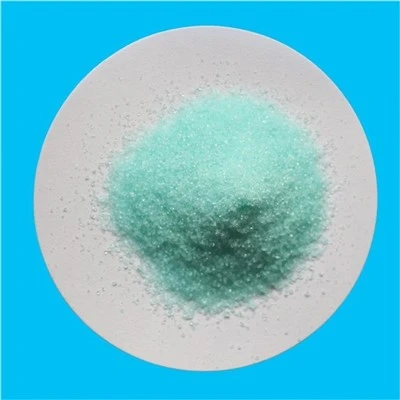
If you’d like to learn more about our potassium carbonate grades, request a sample, or discuss your specific application, we’d love to hear from you. Our team of chemical specialists is available to answer any questions and help you find the right solution for your needs. Don’t hesitate to reach out to start the conversation.
Trimagnesium Phosphate References
- Food and Agriculture Organization of the United Nations. (2021). Potassium Carbonate as a Food Additive. FAO Food and Nutrition Paper.
- American Ceramic Society. (2019). Fluxes in Ceramic Glazes: A Guide to Composition and Application. ACerS Publications.
- International Energy Agency. (2022). Specialty Materials for Solar Photovoltaic Modules: Potassium Carbonate in Glass Encapsulants. IEA PVPS Task 13.
- U.S. Environmental Protection Agency. (2020). Water Treatment Chemicals: pH Adjustment Agents. EPA Office of Water.
- World Health Organization. (2021). Potassium Carbonate in Pharmaceutical Products. WHO Expert Committee on Specifications for Pharmaceutical Preparations.
Jiangsu Kolod Food Ingredients Co., Ltd.
As one of the most professional carbonates manufacturers and suppliers in China, we’re featured by quality products and good price. Please rest assured to wholesale bulk carbonates made in China here and get free sample from our factory. Customized orders are welcome.
Address: South Side of Weier Road, Guanyun Development Zone, Lianyungang City, Jiangsu Province, China
E-mail: sales1399@jskolod.com
WebSite: https://www.kolod-group.com/
