Who is responsible for testing a Firefighter Safety Switch? Firefighter Safey Switch
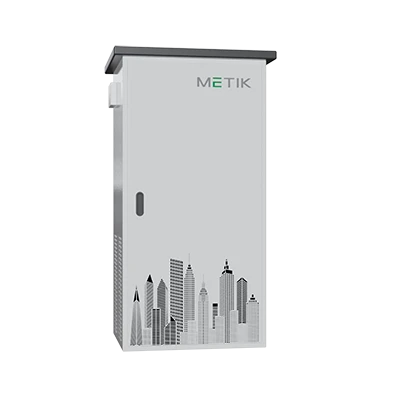
If you’ve ever stood in front of a newly installed Firefighter Safety Switch (FSS) on a commercial or industrial building’s main electrical panel, you’ve probably wondered one thing that’s crossed every building owner, electrician, and even responding firefighter’s mind at some point: when is this thing actually going to work when we need it most? That’s not paranoia—fires and electrical emergencies don’t run on schedules, and a failed FSS isn’t just an inconvenience; it’s a safety hazard that can put first responders and building occupants at risk. As someone who’s been supplying these critical devices for nearly a decade, I’ve talked to everyone from residential building managers to municipal fire marshals about this exact question, and the answer isn’t as black and white as you might think. It’s not just one person’s job—it’s a chain of responsibility, each link with clear, non-negotiable tasks that can’t be skipped if an FSS is going to do what it’s designed for.
First, let’s get back to basics for anyone who might be new to this equipment. A Firefighter Safety Switch (sometimes called a Fireman’s Switch or Failsafe Switch) is a specialized electrical device mounted on a building’s main electrical distribution system. Its core purpose is simple: when activated, it cuts power to all non-essential circuits (or sometimes the entire system, depending on local code) to eliminate electrical hazards for firefighters working inside during a fire. But here’s the part most people miss: a switch that works on installation isn’t enough. It needs to be tested regularly to make sure a loose wire, a faulty contact, or a broken actuator hasn’t made it inoperable since it was turned on.
Let’s start with the first link in that responsibility chain: the person or entity that installs the FSS. When we ship an FSS to a job site, it comes with a thick, code-compliant installation manual, and our team spends 20 minutes on every call walking the on-site electrician through the basics of mounting, wiring, and pre-installation checks. But even with that, we can’t be on every job. We’ve heard horror stories from electricians who cut corners to meet a deadline, wiring the switch backwards, or skipping the continuity test because the panel “looked fine.” That’s why it’s non-negotiable that the installing licensed electrician is the first responsible party for initial testing. The National Electrical Code (NEC) actually has specific language here, but I’ll get to the official refs later—for now, suffice it to say that any electrical equipment meant for life safety has to pass a full functionality test at the time of installation, and the electrician is the one who signs off on that. Last year, we had a job in a 12-story office building in Chicago where the electrician skipped testing the remote actuation feature (a common add-on for larger buildings), and when the municipal fire department’s annual check caught it, we got a call to help re-test the system for free. That’s a perfect example of why the installing electrician’s initial test isn’t just paperwork—it’s the first line of defense.
Next, after installation and handoff, the responsibility shifts to the building owner or their designated facilities manager. I know, I know—building owners are already swamped with rent collection, repairs, and inspections, so adding another task sounds like a hassle. But here’s the reality: the owner is the one who controls access to the electrical room, pays for maintenance, and is legally liable if something goes wrong. For the first two years after installation, we recommend that facilities teams do a monthly visual check of the FSS. That sounds overkill, but it’s not: a loose lock on the electrical room door could let someone move or damage the switch, a broken plastic cover could expose the internal contacts to dust or moisture, or a label could peel off, making it hard for firefighters to locate during an emergency. We also provide free test logs to all our customers, which they can use to track checks. We had a grocery store chain as a customer a few years ago—they use our FSS in all their store locations across the Southeast—and their facilities team told us they added a line item for FSS testing to their quarterly electrical maintenance check, and they rotate their staff so at least one person per location is trained to do a basic functionality test. That’s the kind of proactive approach that prevents problems. I always tell customers: if you can check a smoke detector’s battery, you can check your FSS. It takes five minutes, and it’s way cheaper than the alternative of a failed switch during an emergency.
But what about when that basic test isn’t enough? There’s a big difference between a visual check and a full functionality test, and that’s where the third link comes in: the licensed electrical contractor or a specialized fire safety inspector. Local fire codes, and the NEC, require more rigorous testing at set intervals—usually every three years, sometimes every five, depending on the size and type of building. This isn’t a task for a part-time facilities staffer. This is a test where you actually activate the switch, verify that power cuts to the correct circuits, test the remote activation (if installed), and make sure the reset function works properly. We’ve seen too many cases where a building owner hired a handyman to do a “quick check” for $50, not a licensed electrician, and when the fire inspector came for their annual check, they found that the switch’s internal contactor was burnt out because of a poor wire connection that the handyman missed. That can lead to fines, and worse, an inoperable switch when it matters. Last year, we had a customer in Houston who called us panicking because their fire inspector failed their 3-year test, and we connected them with a licensed electrician who specializes in FSS testing. The issue was a loose ground wire that had corroded over time—something only a certified electrician would catch during a full test. It cost them a few hundred dollars, but it was way better than facing fines or a safety hazard.
Now, let’s talk about the people who use the FSS in an emergency: firefighters. That’s a group that often gets overlooked in responsibility conversations, but they have a unique role too. When firefighters arrive on scene, one of their first tasks is locating and activating the FSS, right? But that means they need to be able to rely on it working. Most municipal fire departments have their own protocols for checking FSS functionality during pre-incident planning, especially for larger commercial buildings like hospitals, schools, or high-rises. Some fire departments even coordinate with building owners to do joint testing drills every year, where firefighters practice activating the switch, and building staff verify that the power cuts as intended. I sat in on a training session for the Atlanta Fire Department last year, and the lead instructor said that over 15% of the FSS checks they do during pre-incident planning find some kind of issue—most of them minor, like a missing label or a stuck actuator, but a few are critical, like a broken internal switch. That means firefighters aren’t just end-users; they’re also a crucial part of the testing chain, catching issues that building owners or electricians might miss between scheduled tests.
Wait a second—does that mean every person involved has a role? Yes, exactly, and that’s why the question “who is responsible for testing an FSS” doesn’t have a single answer. It’s a shared responsibility, but each party has a specific, non-transferable task. The electrician does the initial install and functionality test. The building owner does regular visual checks and coordinates periodic professional testing. The fire department participates in pre-incident checks and drills. No one can do it all, and if one link in the chain breaks, the whole system is at risk.
I get that there’s frustration here. Building owners see this as another regulatory hoop to jump through, electricians see it as extra work on top of already tight deadlines, and firefighters just want to get to the fire. But here’s the thing: FSS testing isn’t just about checking a box on an inspection form. It’s about making sure that when a firefighter pulls that switch in the middle of a smoke-filled room, power cuts off quickly, eliminating the risk of shock, flash fires, or damaged equipment that could make the situation worse. We’ve all seen news stories where a fire got worse because of an electrical hazard, and more than once, that hazard was a dead FSS.
As a supplier, I don’t just sell FSS devices and walk away. We offer free training sessions for building owners and facilities teams on how to do basic checks, we provide step-by-step guides for full functionality tests, and we even have a team on call 24/7 to help troubleshoot any issues that come up during testing. We don’t cut corners when it comes to our products, and we don’t expect our customers to cut corners either. We’ve built our business on the fact that our FSS products work when they’re tested, and that starts with making sure the people responsible for testing them know what they’re doing.
If you’re a building owner, you might be wondering when your last FSS test was. If you’re an electrician, you might be reviewing your protocols to make sure you’re not missing a step. If you’re a firefighter, you might be updating your pre-incident planning checklists. None of this has to be complicated, but it does have to be consistent.
At the end of the day, the goal is simple: keep people safe. That’s why FSS exist, that’s why testing them is so important, and that’s why responsibility is shared. No one person can do it all, but when everyone does their part, we can make sure these critical devices work when we need them most.

If you have questions about FSS testing protocols, need to schedule a professional assessment, or are looking for reliable, code-compliant Firefighter Safety Switches for your next project, feel free to reach out to our team to discuss your needs and next steps.
Solar System Cabinet References:
- National Electrical Code (NEC) Article 230.82, Firefighter Safety Switches and Equipment
- International Fire Code (IFC) Section 903.2.1, Emergency Electrical Shutoff Devices
- NFPA 70E, Standard for Electrical Safety in the Workplace, Section 120.5, Testing of Electrical Equipment for Life Safety Applications
- Occupational Safety and Health Administration (OSHA) 29 CFR 1910.308, Electronic Equipment Maintenance, Testing, and Grounding
Wuxi Metik Precision Machinery Co., Ltd.
With over 25 years’ experience, we are one of the most reliable firefighter safey switch manufacturers and suppliers in China. We warmly welcome you to buy customized firefighter safey switch made in China here from our factory. If you have any enquiry about cooperation, please feel free to email us.
Address: Tsinghua Innovation Building, Huishan Economic Development Zone, Wuxi
E-mail: info@metik-metal.com
WebSite: https://www.metikmetal.com/
