If you’ve ever walked through a plastics processing facility, you know the stakes are high: a single batch of improperly dried resin can lead to warped parts, faded colors, or even a full production shutdown. As a supplier of plastic drying equipment, I’ve spent years troubleshooting these pain points, and one question comes up more than any other: how does our gear handle all the different plastic shapes that cross our customers’ lines? The truth is, plastic isn’t one-size-fits-all—pellets, flakes, regrind, powders, and even specialized shapes each have unique drying needs. Skip the generic drying systems, and you’ll waste energy, risk material quality, and eat into profits. Today, I’m breaking down exactly how our equipment adapts, using real scenarios from the shops we work with every day. Plastic Drying Equipment
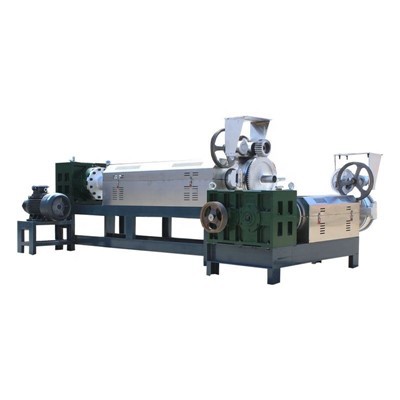
First, let’s start with the most common plastic shape: pellets. These small, uniform beads are the backbone of injection molding and extrusion, and their consistency makes them relatively straightforward to dry—if you get the flow right. A common mistake older dryers make is creating “dead zones” in the hopper where pellets get stuck, leading to inconsistent moisture levels. For example, one of our automotive parts customers used a rival dryer for their PET pellets for engine bay components; they’d often get pellets at the bottom of the hopper that were still 200ppm over their target moisture level, causing 10-15% of their parts to fail pressure tests. We swapped in our modular desiccant drying system, which uses a gentle, laminar airflow that sweeps every pellet through the hopper, not just the ones near the top. The key here is adjustable air distribution plates: for dense, heavy PP pellets, we widen the plates to let more air penetrate the packed bed, while for lighter ABS pellets, we narrow the plates to prevent fluidization (that’s when pellets blow around like a cloud, leading to uneven drying). In that same customer’s line, defect rates dropped to 2% within two weeks, and energy use fell by 12% because we didn’t waste air on empty space in the hopper. That’s the difference between designing for the material’s shape, not just the size of the batch.
Next, flakes and regrind—shapes that can throw even experienced processors off. Regrind is post-production scrap, chopped into irregular, rough-edged pieces, often from bottles, film, or off-cuts. Unlike pellets, flakes have a larger surface area relative to their volume, which means they can lose moisture faster, but their irregular shape also creates gaps that trap air, leading to localized moisture pockets. One of our packaging customers, who recycles HDPE milk jugs into new bottles, was dealing with flakes that had 500ppm moisture in some inner layers—trapped because the flakes’ rough edges folded over, blocking airflow. Our solution? A rotary drum dryer with internal flighting that tumbles the flakes continuously, so every side is exposed to drying air, and variable-speed agitation that’s gentle enough not to crush the flakes (crushed regrind is worthless to many recyclers). We also added a moisture sensor at the drum’s outlet that adjusts the air temperature in real time: if the sensor detects high moisture, it cranks the temp just enough to evaporate the trapped moisture without causing the flake’s outer layer to degrade. After installing our system, that customer’s regrind yield jumped 8%, because they no longer had to reject batches with uneven drying, and their new bottles met FDA standards for food contact. Flakes aren’t uniform, so one-size-fits-all drying doesn’t work—our equipment is built to adapt to their messy, irregular shape.
Then there’s powder, a shape that’s common in rotational molding and powder coating. Powders are tiny, fine particles, and their biggest risk isn’t uneven drying—it’s static buildup and fluidization, which can lead to clumping. For example, a toy manufacturer using Nylon 12 powder for rotational molding was dealing with clumped powder that would cause air pockets in their large, hollow play structures, leading to parts that collapsed during testing. Standard fluidized bed dryers would blow the powder around too hard, creating static that made particles stick to the hopper walls, worsening clumping. Our powder-specific drying system uses a low-velocity, high-volume airflow that suspends the powder just enough to circulate it, without creating static—we add anti-static ionizers along the hopper walls to keep particles repelled from metal surfaces. We also use a gentle, indirect heat source instead of direct hot air, which reduces the risk of the powder melting or clumping at high temperatures. After the install, that toy company’s clumping rate dropped from 22% to less than 1%, and their hollow parts passed load tests on the first try. Powders need a different touch entirely—too much airflow, and you’ve got a mess; too little, and clumping ruins your product.
Now, what about the less common shapes: chopped film, fibers, and even custom molded sprues? Film and fibers are especially tricky because their thin, flexible shape means they can stick together in mats, trapping moisture. One of our agricultural equipment customers was using chopped LDPE film scrap to make mulch film, and they were dealing with mats that took twice as long to dry, leading to bottlenecks in their extrusion line. We paired their dryer with a pre-treatment shredder that cuts the film into small, 1-inch pieces, and added a screen in the drying hopper that prevents mats from forming by letting air circulate through the gaps between pieces. The key here is pre-shaping preparation—we don’t just dry the film; we shape it slightly to eliminate the gaps that trap moisture, cutting their drying time in half and clearing up their line bottleneck. For sprues, which are the rigid, cylindrical plastic leftovers from injection molding, we’ve got a system with a hopper that has sloped sides (not flat) to prevent the heavy sprues from getting wedged in corners. We also use a higher temperature airflow because sprues are denser, so the heat can penetrate their solid core without warping.
A lot of customers ask us: why can’t we just use the same dryer for all shapes? The answer boils down to two basics: surface area and air flow dynamics. Every plastic shape has a different surface area-to-volume ratio: powders have the highest, so they dry fastest; dense pellets have the lowest, so they need longer, more consistent airflow. Irregular shapes like regrind have random surface areas, so you need agitation to make sure every part gets exposed. Our equipment’s modular design is what makes this possible—we don’t sell a “one dryer fits all” product. Instead, we work with each customer to adjust the air distribution, temperature, agitation, and hopper geometry to match their specific material shape.
I’ve been in this industry for 18 years, and I’ve seen what happens when processors ignore material shape: wasted materials, lost production, frustrated teams. The best drying equipment isn’t the fanciest one—it’s the one that listens to the material. When you treat pellets like pellets, flakes like flakes, and powders like powders, you don’t just dry plastic—you make it work for your line.
If you’re dealing with inconsistent drying, part defects, or energy waste in your plastics processing, we’re here to help. Whether you’re working with pellets, regrind, powder, or any other plastic shape, we can customize a drying system that fits your needs. Reach out to start a conversation about your specific challenges.
Plastic Drying Equipment References:
- Rosato, D. V., & Rosato, M. G. (2004). Plastics Processing Equipment Handbook. William Andrew Publishing.
- Giles, H. F., Wagner, J. R., & Spruiell, J. E. (2004). Extrusion: The Definitive Processing Guide and Handbook. William Andrew Publishing.
- Lawandy, S. N., & Abdel-Khalik, S. I. (1994). Fluidization of powders and particulate materials. CRC Press.
- American Society of Plastics Engineers (SPE). (2019). Plastics Drying Guidelines for Processors. SPE Press.
Laizhou Yuening Machinery Co., Ltd.
As one of the most reliable plastic drying equipment manufacturers in China, we warmly welcome you to buy cheap plastic drying equipment made in China here from our factory. All customized machines are with high quality and low price. For pricelist, contact us now.
Address: Yuanjia Village, Luwang, Shahe Town, Laizhou City, Yantai City, Shandong Province
E-mail: yueningjixie@163.com
WebSite: https://www.ynplasticmachinery.com/
