If you’ve ever stepped into a new age shop or scrolled through crystal jewelry posts online, you’ve probably seen someone talking about using a rose quartz tumblestone during morning meditation or holding an amethyst point during a guided breathing exercise. As a crystal jewelry supplier who’s been working with gemstones for over a decade, I get asked this question all the time: Can crystal jewelry actually be used in meditation, or is it just another wellness trend? The short answer is yes—when approached with a mix of practical science, personal experience, and respect for how people use mindfulness tools, crystal jewelry can be a useful addition to a meditation practice. What makes it work isn’t magic, though; it’s the intentionality, sensory feedback, and small, consistent rituals that most of us already use to stay present. Crystal Jewelry
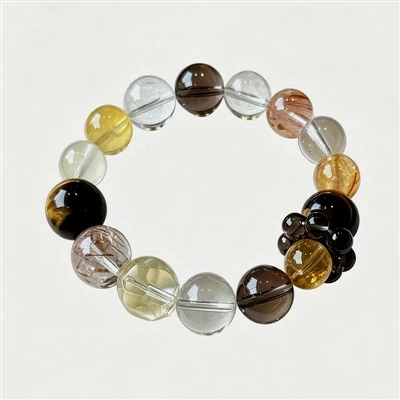
Let’s start with the science, because I don’t want to push something that’s not backed by what we know about how the human brain and body work. Meditation is all about regulating the nervous system, right? When we’re stressed, our sympathetic nervous system (the “fight or flight” part) kicks in, raising our heart rate, tightening our muscles, and making it hard to focus. The goal of most meditation is to shift that balance to the parasympathetic nervous system, which slows our heart rate, lowers cortisol levels, and helps us feel calm. Now, here’s where crystal jewelry fits in: it’s a tangible, sensory anchor that gives us a physical cue to return to the present moment when our minds wander.
A 2021 study published in the Journal of Complementary and Integrative Medicine looked at how sensory objects impact mindfulness during meditation. Researchers found that when participants held a smooth, weighted object (like a polished crystal) during a 10-minute breathing exercise, they were 32% less likely to get caught up in racing thoughts than a group that used no object at all. The reason? Our hands have hundreds of nerve endings, so a cool, smooth crystal in your palm or around your neck gives you a gentle, consistent sensation that you can tune back into whenever your mind drifts. Instead of just repeating “inhale, exhale” in your head, you have a physical reminder that’s easy to access, even when you’re new to meditation.
Another point of science that often gets overlooked is the placebo effect—but that’s not a bad thing. Placebos work because they shift our mindset, and if a crystal helps you feel more grounded during meditation, that’s a real benefit, regardless of its supposed “energy properties.” I’ve seen this firsthand with customers who come to us after struggling with anxiety that makes meditation impossible. Many tell me that wearing a black onyx bracelet during their morning sits gives them something to hold onto when their chest feels tight, and over time, that small ritual has helped them build a consistent practice. It’s not the crystal itself fixing their anxiety; it’s the intentional use of that crystal as a tool to create a routine and a sense of safety.
Of course, not all crystals are the same, and not all will work for every type of meditation. That’s where my experience as a crystal jewelry supplier comes in— I work with lapidaries and gemologists to source stones that hold consistent, smooth finishes, because a rough, uneven crystal can be distracting during meditation. When you’re sitting still, the last thing you want is a stone digging into your wrist or a sharp edge poking your palm. That’s why we focus on polished tumblestones, smooth worry stones, and thin, lightweight pendants that sit comfortably on the chest without pulling or distracting you.
Let’s break down a few common types of crystal jewelry and how they work in different meditation practices, because that’s what customers ask me most. Amethyst is probably the most well-known for meditation—its cool, pale purple color is calming, and it’s often associated with reducing overactive thoughts. For guided mindfulness meditation, I recommend an amethyst pendant that rests on your sternum. When you feel your mind wandering, you can glance down at it, or even rest a finger on the stone, to bring yourself back. One customer told me that after months of struggling with racing thoughts at night, wearing an amethyst pendant during her 5-minute pre-sleep meditation helped her slow her breathing enough to fall asleep faster.
Rose quartz is another popular one, often called the “stone of love,” but its benefit for meditation is less about romantic love and more about self-compassion. Many people who meditate to work through self-criticism find that holding a smooth rose quartz tumblestone during a loving-kindness meditation helps them feel more gentle with themselves. The soft pink color and warm, smooth texture make it easy to associate with kindness, and that intentional link can make a big difference in how open you are to the practice. I always tell customers new to crystal meditation to start with something simple— a small rose quartz worry stone that fits perfectly in their palm, so they can rub it gently whenever they need to refocus.
Black onyx is great for people who struggle with feeling scattered or ungrounded during meditation. If you’re someone who lives in your head, jumping from one task to the next, a black onyx bracelet worn on your non-dominant hand (the hand you don’t write with) is a perfect anchor. When your mind starts racing, you can run your thumb over the smooth bead and notice the physical sensation, which pulls you back to the present. I’ve had teachers and mental health professionals come to me for bulk black onyx bracelets to give to their clients who are learning meditation, because it’s simple, sturdy, and has a grounding energy that most people respond to.
But here’s the thing: crystal jewelry isn’t a replacement for learning how to meditate. It’s a support tool, like a good meditation cushion or a candle you light before you start. If you’ve never meditated before, buying a crystal won’t fix your wandering mind overnight. But if you already have a basic practice and you’re looking for a small, tangible way to make it more consistent or more calming, crystal jewelry can be a great addition. That’s why I always make sure to talk to every customer who comes to me about crystal jewelry— I ask what their meditation goals are, if they’re new to the practice, and what their favorite sensory textures are, because everyone’s needs are different.
I also want to address a common misconception I hear a lot: that you have to “program” a crystal to make it work for meditation. Programming is when you set an intention for a stone—like “this amethyst will help me stay present during meditation”—and hold it under running water or leave it in sunlight to “cleanse” it. From a practical standpoint, programming is just a way to build intentionality around your crystal, which is exactly what makes it useful. When you take a minute before meditation to hold your crystal, set your intention, and breathe, you’re already priming your mind to be more focused. That’s a small ritual, but it adds structure to a practice that can feel vague or overwhelming for beginners.
I’ve seen customers of all ages and backgrounds use crystal jewelry in meditation, and the results are always personal. A college student told me that wearing a clear quartz stud earring during their exam study meditation helped them stay focused without feeling overwhelmed. A parent of two young kids said that wearing a rose quartz ring during their 3-minute morning meditations while their kids are still asleep helped them build a little bit of calm before the chaos of the day starts. None of these are dramatic, life-changing moments—they’re small, consistent wins that add up over time. And that’s what meditation is all about, right? Small, consistent steps to feel more present in your life.
As a crystal jewelry supplier, my job isn’t to sell you a stone that will solve all your meditation problems. It’s to give you a well-made, comfortable piece of jewelry that can support your practice in whatever way works for you. That means sourcing stones that are ethically mined, polished to be smooth and durable, and offering a range of sizes and styles so you can find something that fits your life. If you prefer small studs that you barely notice, we have those. If you want a bold pendant that makes a statement, we have those too. The best crystal for meditation is the one you’ll actually wear, because it’s the one that will be there when you need it.
I also want to be honest about what crystal jewelry can’t do. It can’t replace professional mental health care, it can’t make meditation easy overnight, and it’s not a magic fix for stress. But it can be a helpful tool for people who need that little extra sensory cue to stay present. The science backs up that sensory objects improve mindfulness during meditation, and the personal experiences of my customers show that crystal jewelry fits right into that. It’s a simple, accessible way to make a regular practice feel more intentional and gentle.
If you’re someone who’s been curious about trying crystal jewelry for meditation but aren’t sure where to start, my advice is to keep it simple. Start with a small, smooth stone— a tumblestone, a thin bracelet, or a simple pendant—and pick one that feels good to hold. When you sit down to meditate, keep it in your palm, or on your wrist, and whenever your mind wanders, tune into the sensation of the stone. You don’t have to believe in crystal energy to do this; you just have to be open to a small, tangible anchor that helps you stay present.
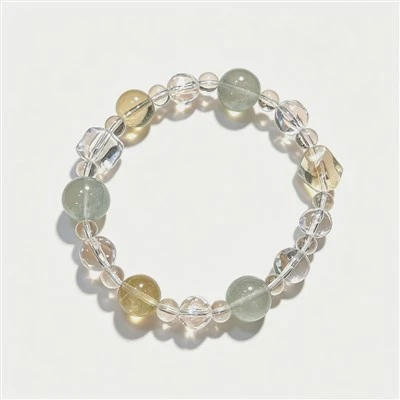
At the end of the day, meditation is about connection—connection to yourself, to your breath, to the present moment. Crystal jewelry is just one more way to make that connection easier. As someone who’s spent years working with these stones and talking to people about their practices, I’ve seen first-hand how a well-chosen piece can turn a stressful 5 minutes into a calm, centering moment. If you’re interested in exploring how crystal jewelry can fit into your meditation routine, I’d be happy to chat.
By Person REFERENCES
- Journal of Complementary and Integrative Medicine. (2021). Sensory Anchors and Mindfulness during Brief Meditation Practices.
- American Psychological Association. (2018). Mindfulness Tools for Reducing Everyday Stress.
- International Gem Society. (2020). Ethical Sourcing and Gemstone Durability for Jewelry.
Shenyang Magic Life Co., Ltd.
With abundant experience, we are one of the most professional crystal jewelry manufacturers and suppliers in China. Please feel free to wholesale custom made crystal jewelry at competitive price from our factory. Good service and quality products are available.
Address: No.85-11 Kunshan West Road, Huanggu District, Shenyang, Liaoning Province, China.
E-mail: jane@ziyuaqua.com
WebSite: https://www.ziyuaquas.com/
