If you’ve worked in oilfield services, drilling operations, or even as a drill pipe supplier for more than a few years, you know that nothing slows down a drilling project like a avoidable inventory misstep. A rig might sit idle for days waiting for a single premium drill pipe section that was supposed to be on hand, or you might find yourself stuck with 200 surplus joints of drill pipe that’s obsolete because you overordered based on a single seasonal job. For the last 12 years, I’ve run a small drill pipe supply operation out of our yard in Midland, Texas, and I’ve weathered every inventory blunder you can imagine—from mislabeled pipe that got scrapped to rush orders that cost us $15,000 in rush shipping because we didn’t track our stock properly. Today, I want to walk you through the drill pipe inventory system we built that’s cut our holding costs by 38% and cut order lead times for our clients by more than half, no fancy overpriced software required. Drill Pipe
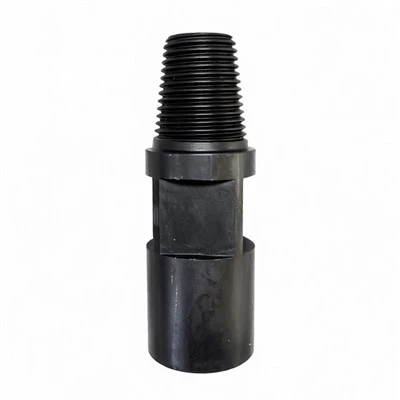
First, let’s get one thing straight: drill pipe isn’t like random steel parts or generic hand tools. Every joint has a specific grade, wall thickness, length, and end connection—API 5DP, premium connections, heavyweight, non-magnetic, all of it. A single joint of drill pipe can weigh 3,000+ pounds, cost upwards of $12,000, and has a limited service life before it needs reconditioning. Mix up a Class G drill pipe with a Class E, or use a 4-1/2 inch pipe designed for shallow drilling in a deep horizontal well, and you’re looking at downhole failure, lost rig time, and millions in downtime. That means your inventory can’t be organized by just stacking joints in a yard and guessing what’s where. Our first rule was: every drill pipe joint gets a unique, permanent identification tag before it ever enters our stock. No more writing details on a sticky note that blows away in the West Texas wind. We use laser-etched aluminum tags, each with a sequential ID number, and we record every single detail of that joint the second it comes in. Grade, OD, ID, connection type, heat number, original manufacturing date, and most importantly, its “health history”: number of trips it’s completed, last reconditioning date, any repairs it’s had, and its remaining safe service life. That data isn’t written down in a notebook—it’s logged in a simple cloud-based spreadsheet that our entire team can access from our phones or tablets, even when we’re out in the yard or meeting a client at a rig site.
Next, we categorize our inventory in a way that matches how our clients actually use drill pipe, not just how steel distributors categorize products. Most drill pipe clients fall into one of three groups: new drill contractors working on short-term horizontal projects, well service companies doing workovers on established wells, and large E&P operators running long-term deep drilling programs. Each group needs different pipe, with different delivery timelines and usage rates. We split our stock into three core bins, and we keep real-time counts for each bin, updated every single time a joint moves in or out. The first bin is “Rotatable Active Stock”: these are joints that are ready to go out on a job, with no pending repairs or reconditioning, and have at least 50% of their service life left. We keep these in a designated, clearly marked section of our yard, sorted by connection type first (premium, API standard, etc.) and then by grade, so our yard crew can grab a joint in 60 seconds or less. The second bin is “Pending Service Stock”: joints that are either waiting for reconditioning, have minor repairs that need to be done, or are still in transit from a client job. We never mix these with active stock—even a single joint marked for reconditioning going to a rig by accident can waste 12 hours of rig time. The third bin is “Obsolete or Surplus Stock”: joints that are beyond their safe service life, have connection types that are no longer in demand, or were left over from a canceled client project. We price these at a steep discount, but we don’t store them with active stock because they just clutter up the space and make it harder to track what we actually need for current orders.
Now, the part that most suppliers and operators get wrong: forecasting demand for drill pipe isn’t like forecasting for consumer goods, where you can check past sales and adjust for seasonality. Drill pipe demand is tied directly to drilling activity, which is volatile—one big operator announcing a 10-well program can spike demand for 5-inch premium pipe overnight, while a drop in oil prices can leave half your stock sitting idle for 6 months. We learned this the hard way in 2020, when we overordered 300 joints of heavyweight drill pipe because we thought the Permian Basin drilling boom would keep going. When activity dropped 70% that spring, we spent months trying to sell that surplus at a loss. So today, we use a two-part forecasting system that’s specific to drill pipe and our client base. First, we track all our clients’ project timelines and planned capital expenditure budgets. Every quarter, we send a quick, non-intrusive check-in to our 22 primary clients asking for their 6-month drilling plans, the types of pipe they anticipate needing, and any planned reconditioning or scrapping of old joints. That’s not guesswork—that’s actual, planned activity from people we’ve worked with for years. The second part of our forecasting is a 12-month rolling average of our own stock turnover. For example, we found that 4.5 inch API 5DP G-105 pipe turns over every 28 days, on average, while premium 5 inch S-135 pipe only turns over every 90 days. That means we never order more than 3 months of stock for the slow-turnover premium pipe, but we keep enough of the common API grade pipe to cover 45 days of demand. We also build a 10% buffer into our inventory for emergency rush orders—things like a rig having a pipe failure and needing 10 new joints the same day. That buffer is never more than 10% of our total stock, so we don’t tie up cash in extra inventory we don’t need.
A huge part of drill pipe inventory management that’s often overlooked is tracking the physical condition of the pipe, not just its paperwork. Drill pipe takes a beating every time it’s used—abrasive wear from drilling, bending in wellbores, damage from roughnecks dropping joints during connections, corrosion in storage. If you don’t inspect every joint every time it comes back from a job, you’ll end up with a joint that looks fine from 10 feet away but has a hairline crack in the tool joint that will fail mid-drill. We do two mandatory inspections for every joint that comes back into our yard. First, a visual and ultrasonic inspection within 24 hours of it arriving back from a job. Our certified inspection techs use a portable ultrasonic tester to check for wall thickness loss, cracks, and corrosion, and we log those results right into our system. If a joint passes, it goes into the active stock bin. If it needs minor repairs (like re-facing a slightly worn tool joint), it goes into pending service. If it has a critical defect, we tag it as obsolete and move it to the surplus bin to be scrapped or recycled. The second inspection is a full dimensional and pressure test every 2 years, per API standards, even if the joint hasn’t been used. Drill pipe’s material properties degrade over time, even when it’s sitting in a yard, so that biennial test ensures we’re never sending a pipe out that’s not safe for use.
One of the biggest headaches we’ve solved is holding costs. Drill pipe is heavy, it requires a secure yard, and it ties up a lot of cash. We used to rent extra yard space to store surplus stock, but we fixed that by implementing a just-in-time system for non-critical orders, paired with strategic partnership arrangements with other local drill pipe suppliers. If a client needs a specialty connection pipe that we only keep 10 joints of, we don’t order 50 more just to hit a minimum order quantity—we work with two other reputable local suppliers who stock complementary pipe, and we agree to fulfill each other’s emergency orders. That cuts down on our excess stock by 25% and means we never have to turn down a client order because we don’t have a specialty joint in stock. We also use a first-in, first-out (FIFO) system strictly for reconditioning and scrapping. The oldest joints in our active stock get used first, not the newest ones. That prevents us from having joints that reach their service life before they’re ever used, which is a huge waste of money. We also track scrap rates so we can adjust our ordering: if 15% of a certain grade pipe gets scrapped within its first year, we order enough to cover that scrappage rate, not just the demand from clients.
We also built a simple accountability system for our yard crew, which made the whole process work for our team, not just the office. For years, our yard guys would misplace joints, mislabel them, or move them to the wrong bin, because they saw inventory management as just another office chore we made them do. So we implemented a small incentive: every month, if all joints in our active stock are accounted for, with no missing joints or mislabeled tags, each yard team gets a small bonus. That changed everything. Suddenly, they’re the first people to flag if a tag is missing, or if a joint got damaged in transit, instead of hiding it or pretending it never happened. We also do a full physical inventory count every quarter, not just a computer-generated count. We walk every single joint in the yard, match it to our spreadsheet, and fix any discrepancies right away. It takes 3 days, but it’s saved us from losing thousands of dollars worth of pipe that got miscounted for years.

At the end of the day, drill pipe inventory management isn’t rocket science—it’s consistent, attention to detail, and a system that’s built for the way drill pipe is actually used, not just for inventory management theory. We’ve turned our inventory function from a cost center into a revenue driver: because we have accurate stock counts, we can fulfill orders faster than most of our competitors, and because we track the condition of every joint, we’ve never had a client pipe failure we were responsible for in 12 years. If you’re struggling with idle stock, missed order deadlines, or surprise repair costs eating into your profit, we’re ready to walk through your current stock with you, spot the gaps in your process, and put together a customized plan that works for your operation. Reach out to our team to learn how we can help you streamline your drill pipe inventory and keep your projects moving on schedule.
Down The Hole Drill References:
API Standard 5DP: Specification for Drill Pipe
Oilfield Equipment and Services Association (OESA) Inventory Best Practices for Downhole Tools
Midland Basin Drilling Activity Report, 2012-2024
Quzhou Shenjian Machinery Factory
As one of the most professional drill pipe manufacturers and suppliers in China, we’re featured by quality products and good service. Please rest assured to wholesale customized drill pipe from our factory. Also, quotation is available.
Address: No. 42 Bingang Middle Road, Quzhou City, Zhejiang Province
E-mail: 107467114@qq.com
WebSite: https://www.shenjianmach.com/
