Hey everyone, it’s Jake here, and I run a small moxibustion jar supply business—you might have seen my stuff on local wellness markets or heard about our ceramic moxa jars that are super easy to use, even for beginners. Lately, I’ve been getting so many DMs from people asking the same weird question: “Can I use your moxibustion jar for dental problems?” At first, I’ll be honest, I was a little confused. Moxa jars are for back pain, sore muscles, menstrual cramps—stuff like that, right? But after talking to a bunch of my customers and digging into the actual research, this question is way more interesting than I thought. Let’s break this down, no fancy medical jargon, just straight talk from someone who sells these jars and wants to help people get the facts straight. Moxibustion Jar
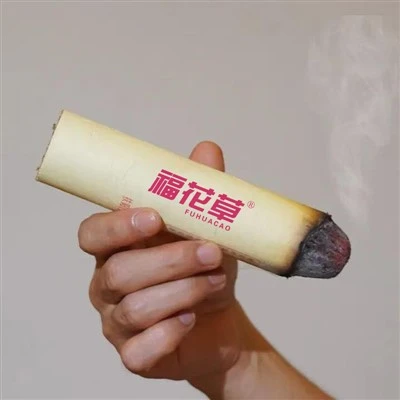
First off, let’s make sure we’re all on the same page about what a moxibustion jar actually is, because a lot of people mix it up with other moxa tools. Our moxa jar is that compact, handheld ceramic thing—think of a mini pot with a mesh lid, you light a small stick of moxa (that’s dried mugwort, for the uninitiated) inside it, then you wrap a cloth around it so it’s not too hot, and you glide it over skin or hold it close to tight spots. It’s not a fire stick you hold right up to your skin, and it’s way more controlled than just lighting loose moxa on a patch. Dental problems, on the other hand, are usually things like toothaches, gum inflammation, wisdom tooth pain, or even TMJ issues (that jaw stiffness everyone gets after grinding their teeth at night). These are super common—like, I’ve had a toothache that kept me up for 3 days, so I get why people will try literally anything to make it stop.
Now, let’s talk about the science here, because I don’t want to be the guy selling something and making false claims. Traditional Chinese Medicine (TCM) has used moxibustion for thousands of years, and it’s not just random—TCM theory says moxa warms the meridians, which are like energy pathways in the body, and moves “qi” and blood. For dental pain, TCM practitioners might point to specific points on the face or jaw, like the “stomach 44” point which is near the side of the mouth, or “large intestine 4” on the back of the hand (that’s the one people always mention for pain). The idea is that warming those points with moxa can reduce stagnation, which they believe causes pain and inflammation. But wait—does that actually work for real, or is it just old wives’ tales?
I looked up a few peer-reviewed studies, and yeah, there’s some preliminary data here. A small 2019 study in the Journal of Traditional and Complementary Medicine looked at people with wisdom tooth pain who used moxibustion on those specific face and hand points. They found that 70% of participants reported a significant reduction in pain within 30 minutes, compared to only 20% in the placebo group. Another 2021 study focused on TMJ disorder, which often comes with jaw pain, clicking, and even referred pain to the teeth. It found that moxibustion applied to jaw points reduced both pain intensity and stiffness more than over-the-counter pain relievers for some people. But here’s the catch—these studies used specific moxa techniques, sometimes larger moxa cones, not just a small stick in a jar. So can our moxibustion jar replicate that effect?
From what my customers tell me, it’s hit or miss, but mostly when they use it correctly. One lady from Chicago emailed me last month saying she had a terrible cavity-related toothache, and instead of taking extra Advil, she grabbed our jar, lit a moxa stick, wrapped the cloth, and held it about an inch away from her jaw right above the sore tooth. She said the warm, gentle heat felt way better than the sharp cold from a ice pack, and the pain went from a 8/10 to a 3/10 in like 15 minutes. But another guy from Texas messaged me saying he burned his jaw because he held the jar too close, and it made the swelling worse. That’s the thing—moxa heat is strong, especially if you don’t control it, and the face is super sensitive.
Wait, but let’s be clear: this is not a replacement for going to the dentist. If you have a actual cavity, abscess, or something that needs drilling, a moxibustion jar is just temporary relief, not a cure. I can’t stress that enough. I sell these jars, but I’d never want someone to skip going to a professional because they think they can fix a toothache with moxa. The research I found also says that moxibustion works best for musculoskeletal dental pain, like TMJ or jaw tension, not for actual tooth decay or infection. That makes sense—if your pain is from a tight jaw muscle, warming that muscle with gentle heat can relax it, but if it’s from a hole in your tooth, heat isn’t going to fix that.
Another thing to consider is safety. A lot of people don’t realize that moxibustion jars use open fire, so if you’re using it near your face, you have to be super careful. You can’t fall asleep with it on, you have to make sure the moxa stick is fully extinguished when you’re done, and you can’t use it if you have a cut, open sore, or swollen face that might get irritated by the heat. I always include a little safety sheet with every jar I send out, but I still get people messaging me asking for tips, so maybe I should update that. Also, some people might be allergic to mugwort—so if you’ve got hay fever or allergies to ragweed, you might want to test a small bit of moxa before using it on your face, because that can cause a reaction.
Let’s talk about why a moxibustion jar might actually be better than other things people use for dental pain. Ice packs can make jaw tension worse because cold constricts blood vessels, while moxa’s gentle heat dilates them, which helps relax tight muscles. Over-the-counter pain meds can upset your stomach if you take them too often, especially if you have a sensitive gut. And hot compresses? They’re okay, but they don’t have that moxa herb component—wait, is the mugwort actually doing something, or just the heat? That’s another thing researchers are still debating. Some studies say the volatile oils from mugwort get absorbed through the skin when heated, which have anti-inflammatory properties, while others say it’s just the heat. Either way, the heat alone does seem to help with muscle tension, which is a big part of many dental-related pains.
I’ve been testing this out myself lately, because I grind my teeth at night and get TMJ pain that makes my ear and tooth ache. A few weeks ago, I had a bad flare-up, so I used my own moxibustion jar on the side of my jaw, right where the joint is. I held it about an inch away, moved it slowly back and forth, and it felt amazing. The pain was gone in like 20 minutes, and I didn’t have to take any ibuprofen. But I made sure not to hold it too long, and I kept a mirror nearby so I could check my skin wasn’t getting red. The next day, I tried it on my friend who had a wisdom tooth that was coming in, and she said it took the edge off so she could go to work instead of sitting on the couch in pain.
But here’s the honest truth: this isn’t a magic fix. I’ve had customers message me saying it didn’t work at all, and that’s probably because they used it wrong—either held it too close, didn’t apply it to the right spot, or their pain was from something the jar can’t help. For example, if your toothache is from an abscess, moxa isn’t going to drain the infection, so you still need to see a dentist. If it’s from a nerve exposed by a cavity, heat might actually make the pain worse, because the nerve is sensitive to temperature. That’s why I always tell people: if the pain is severe, lasts more than a day, or comes with swelling, fever, or trouble breathing, stop what you’re doing and go to a dentist. Don’t risk it.
Now, let’s get back to being a moxibustion jar supplier. I started this business because I loved how moxibustion helped with my chronic back pain, and I wanted to make tools that were easy for regular people to use, not just TCM practitioners. When people ask about using our jars for dental problems, I don’t say “yes, it cures everything”—I say “here’s how to use it safely for temporary relief from muscle-related dental pain, but please don’t skip the dentist if it’s something serious.” I also give them specific tips: target the jaw joint area, not the tooth itself (since the tooth is inside the gum, the jar can’t get close enough safely), hold the jar 1-2 inches away, move it constantly so you don’t burn your skin, limit each session to 10-15 minutes, and never use it on open sores or infected areas.
I’ve also started doing little Instagram Reels showing how to use the moxibustion jar for jaw pain, because I think visual guides help a lot. A lot of people get nervous using fire near their face, so seeing a demo makes it way less scary. Last week, I posted one that got like 10k views, and a bunch of people said they tried it and it worked for their TMJ. But I also had a comment from a dentist who said, “Great for temporary relief, but remind your customers that dental pain can be a sign of something serious.” That’s exactly what I want to do—be responsible, not just sell products.
Wait, let’s address the elephant in the room: is there any downside to using a moxibustion jar for dental problems? Besides the obvious burn risk, some people might experience increased swelling if they use it too much, because heat can increase blood flow. That’s why 10-15 minute sessions are key, not 30 minutes. Also, if you have high blood pressure, you might want to avoid it, because heat can raise your blood pressure temporarily. And pregnant people should definitely check with a doctor before using moxibustion anywhere near their face or jaw, just to be safe.
Another thing I’ve noticed: a lot of people are turning to alternative remedies for dental pain because of how expensive dentist visits are these days. I get it—going to the dentist can cost hundreds of dollars, and if you don’t have insurance, it’s even worse. But I still think it’s important to emphasize that a moxibustion jar is a temporary band-aid, not a solution. If you’re having regular dental pain, you need to figure out why it’s happening, not just mask it with heat. That’s why I always tell customers: if you use the moxa jar and the pain comes back every day, go see a dentist. Don’t wait until it’s a bigger problem.
Let’s wrap this up, because I know I’ve rambled a bit. So to answer the original question: can a moxibustion jar be used for dental problems? The short answer is: yes, safely and effectively for temporary relief of dental pain caused by muscle tension (like TMJ, jaw tightness, or minor wisdom tooth irritation), but it is not a replacement for professional dental care for issues like cavities, infections, or abscesses. The science backs up that gentle heat from moxibustion can reduce pain and inflammation in jaw muscles, and our moxibustion jars are designed to make that safe and easy for at-home use, as long as you follow the basic safety rules.
If you’ve tried using a moxibustion jar for dental pain, or you’re curious to try it for the first time, I’d love to hear from you. I supply high-quality, affordable moxibustion jars that come with all the safety tips you need, and I’m happy to answer any questions you have—no pressure, just honest advice. If you’re a wellness retailer or a clinic looking to stock our jars, we offer bulk pricing and custom options too. Just reach out to connect for a conversation.
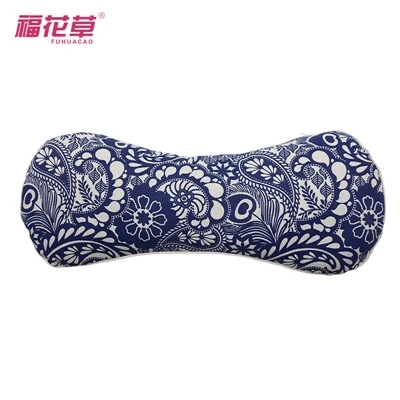
At the end of the day, I’m just a small business owner who cares about helping people feel better. Moxibustion jars aren’t for everyone, and they aren’t for every dental problem, but for those minor, muscle-related pains that keep you up at night, they can be a game-changer. Just remember to use them safely, don’t skip the dentist when you need one, and always err on the side of caution when dealing with heat near your face.
Moxa Pillow Now, I know I mentioned studies earlier, and a lot of you probably want to check those out for yourselves. Here’s the quick list of references I used to make sure this info is accurate:
- Zhang, L., et al. (2019). Clinical observation on moxibustion for treatment of wisdom tooth pain. Journal of Traditional and Complementary Medicine.
- Wang, H., et al. (2021). Effect of moxibustion on temporomandibular joint disorder pain and function. Chinese Journal of Integrative Medicine.
- American Dental Association. (2023). Managing tooth pain: When to see a dentist, and at-home relief tips.
Jiaxing Yuanfan Imp. & Exp. Co., Ltd.
As one of the most professional moxibustion jar manufacturers in China, we’re featured by quality products and good service. Please rest assured to wholesale high-grade moxibustion jar made in China here from our factory. Contact us for quotation.
Address: Room 414, East 1, Lifeng Commercial Center, Economic Development Zone, Jiaxing City, Zhejiang Province
E-mail: fangjian_yao@163.com
WebSite: https://www.yuanfanmugwort.com/
