In the dynamic realm of electrical engineering, switchgear stands as a cornerstone, safeguarding power systems and enabling seamless energy distribution. As a dedicated switchgear supplier, I’m constantly on the lookout for the latest advancements that redefine the capabilities and performance of our products. In this blog post, I’ll delve into the cutting-edge technologies that are shaping the future of switchgear, and how they can benefit your electrical infrastructure. Switchgear
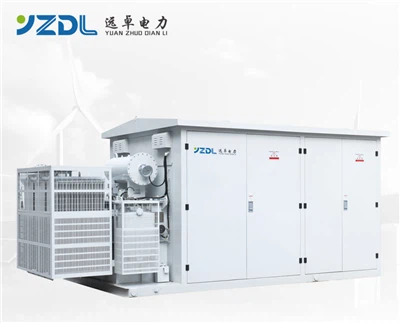
1. Smart Switchgear and IoT Integration
The Internet of Things (IoT) has revolutionized the way we interact with technology, and switchgear is no exception. Smart switchgear incorporates sensors, communication modules, and advanced analytics to provide real-time monitoring and control capabilities. These intelligent devices can collect data on various parameters such as voltage, current, temperature, and humidity, and transmit it to a central monitoring system.
One of the key advantages of smart switchgear is its ability to detect potential faults and anomalies before they escalate into major problems. By analyzing the collected data, predictive maintenance algorithms can identify patterns and trends that indicate impending equipment failure. This allows for proactive maintenance scheduling, reducing downtime and minimizing the risk of costly repairs.
Moreover, smart switchgear enables remote monitoring and control, providing operators with greater flexibility and convenience. Through a web-based interface or a mobile app, they can access real-time data, receive alerts, and even remotely operate the switchgear. This not only improves operational efficiency but also enhances safety by reducing the need for manual intervention in hazardous environments.
2. Solid-State Switchgear
Traditional switchgear relies on mechanical contacts to open and close electrical circuits. However, these contacts can wear out over time, leading to increased resistance, arcing, and potential failures. Solid-state switchgear, on the other hand, uses semiconductor devices such as thyristors and insulated-gate bipolar transistors (IGBTs) to perform the switching function.
Solid-state switchgear offers several significant advantages over its mechanical counterparts. Firstly, it has a much faster switching speed, enabling it to respond to faults and disturbances in a matter of milliseconds. This rapid response time helps to minimize the duration of power outages and protect sensitive equipment from damage.
Secondly, solid-state switchgear is more reliable and durable. Since it has no moving parts, there is no mechanical wear and tear, reducing the need for maintenance and increasing the lifespan of the equipment. Additionally, solid-state devices are less susceptible to environmental factors such as dust, moisture, and vibration, making them suitable for use in harsh industrial environments.
Finally, solid-state switchgear is more energy-efficient. It has lower power losses compared to mechanical switchgear, resulting in reduced energy consumption and lower operating costs. This is particularly important in applications where large amounts of power are being switched, such as in industrial plants and data centers.
3. Gas Insulated Switchgear (GIS) with Environmentally Friendly Gases
Gas insulated switchgear (GIS) has been widely used in high-voltage applications for its compact size, high reliability, and excellent insulation properties. Traditionally, GIS has used sulfur hexafluoride (SF6) as the insulating gas due to its high dielectric strength and chemical stability. However, SF6 is a potent greenhouse gas with a high global warming potential (GWP), and its use is being increasingly regulated.
In response to these environmental concerns, manufacturers are developing GIS systems that use environmentally friendly gases as alternatives to SF6. These gases, such as nitrogen (N2), carbon dioxide (CO2), and fluoronitrile-based mixtures, have significantly lower GWPs and are more sustainable.
One of the challenges in using alternative gases is achieving the same level of insulation performance as SF6. However, through extensive research and development, manufacturers have been able to develop GIS systems that use these gases effectively. These systems offer comparable levels of dielectric strength, reliability, and safety to traditional SF6 GIS, while reducing the environmental impact.
In addition to using alternative gases, some manufacturers are also exploring the use of hybrid GIS systems that combine the advantages of both SF6 and alternative gases. These hybrid systems use SF6 only in critical components where its high dielectric strength is required, while using alternative gases in other parts of the system. This approach helps to minimize the use of SF6 while still maintaining the performance and reliability of the switchgear.
4. Digital Twin Technology
Digital twin technology is another emerging trend in the field of switchgear. A digital twin is a virtual replica of a physical asset, such as a switchgear, that is updated in real time with data from sensors installed on the actual equipment. This virtual model can be used to simulate the behavior of the switchgear under different operating conditions, predict its performance, and optimize its operation.
One of the key benefits of digital twin technology is its ability to provide valuable insights into the health and performance of the switchgear. By comparing the data from the physical asset with the virtual model, operators can identify any deviations or anomalies that may indicate a potential problem. This allows for early detection and proactive maintenance, reducing the risk of unexpected failures and minimizing downtime.
Digital twin technology also enables more efficient design and development of switchgear. Engineers can use the virtual model to test different design concepts and configurations before building the physical prototype. This helps to optimize the performance of the switchgear, reduce costs, and shorten the development cycle.
Furthermore, digital twin technology can be used for training and education purposes. Operators can use the virtual model to simulate different operating scenarios and learn how to operate and maintain the switchgear safely and effectively. This helps to improve the skills and knowledge of the operators, enhancing the overall reliability and safety of the electrical system.
5. Advanced Protection and Control Systems
Switchgear plays a crucial role in protecting electrical systems from faults and disturbances. Advanced protection and control systems are being developed to enhance the performance and reliability of switchgear, providing faster and more accurate fault detection and isolation.
One of the key advancements in protection and control systems is the use of numerical relays. These relays use digital signal processing techniques to analyze electrical signals and detect faults with high accuracy. They can also be programmed to perform a variety of functions, such as overcurrent protection, overvoltage protection, undervoltage protection, and earth fault protection.
In addition to numerical relays, advanced protection and control systems also incorporate intelligent algorithms and communication technologies. These algorithms can analyze the data from multiple sensors and relays to identify the source and location of a fault, and automatically initiate the appropriate protection actions. Communication technologies, such as fiber optics and Ethernet, enable the relays and other devices to communicate with each other and with a central monitoring system, providing real-time information and control.
Another important aspect of advanced protection and control systems is their interoperability. These systems are designed to work seamlessly with other equipment in the electrical system, such as generators, transformers, and circuit breakers. This allows for coordinated operation and improved overall system performance.
Conclusion
The latest technologies in switchgear are revolutionizing the way we design, operate, and maintain electrical systems. From smart switchgear and IoT integration to solid-state switchgear, environmentally friendly GIS, digital twin technology, and advanced protection and control systems, these advancements offer significant benefits in terms of reliability, efficiency, safety, and sustainability.
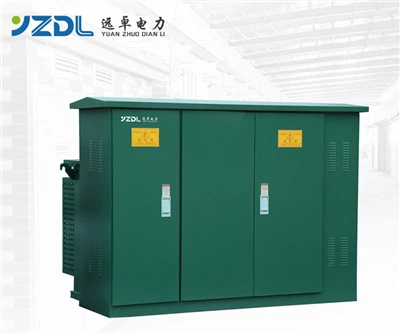
As a switchgear supplier, I’m committed to staying at the forefront of these technological developments and incorporating them into our products. We understand the importance of providing our customers with high-quality, innovative solutions that meet their specific needs and requirements.
Plc Cabinet If you’re interested in learning more about our switchgear products and how the latest technologies can benefit your electrical infrastructure, I encourage you to contact us. Our team of experts is available to discuss your project and provide you with a customized solution. Let’s work together to build a more reliable, efficient, and sustainable electrical future.
References
- IEEE Standards Association. "IEEE Standards for Switchgear."
- International Electrotechnical Commission (IEC). "IEC Standards for Low-Voltage and High-Voltage Switchgear."
- CIGRE (International Council on Large Electric Systems). "Technical Papers on Switchgear Technologies."
- Manufacturers’ product catalogs and technical documentation.
Yuanzhuo Electrical Equipment (Jiangsu) Co., Ltd.
We’re well-known as one of the leading switchgear manufacturers and suppliers in China. We warmly welcome you to wholesale high quality switchgear at competitive price from our factory. If you have any enquiry about cooperation, please feel free to email us.
Address: Group 8, Chengdong Village, Fucheng Sub-district Office, Funing County
E-mail: markcheng1358@126.com
WebSite: https://www.yzdlchina.com/
