Hey there! As a finned tube supplier, I’ve seen firsthand how the fin design can change the game when it comes to the performance of these tubes. In this blog post, I’m gonna break down the key aspects of fin design and explore how they affect the finned tube’s performance. Finned Tube
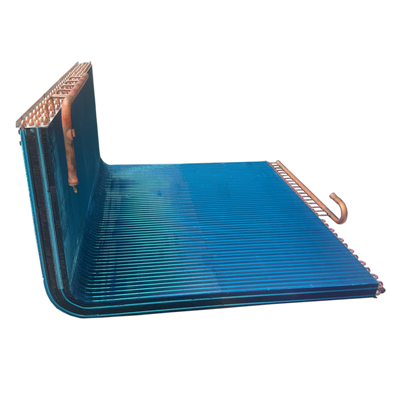
Let’s start with the basics. Finned tubes are used in a bunch of applications, like heat exchangers, condensers, and boilers. Their main job is to increase the heat transfer surface area, which helps to improve the efficiency of heat transfer between two fluids. The fins are basically extra bits added to the outside of the tube, and they come in all sorts of shapes, sizes, and materials.
Fin Shape
One of the most obvious things about fin design is the shape. There are several common shapes, like plain fins, serrated fins, and spiral fins, and each shape has its own pros and cons.
Plain fins are the simplest and most common type. They’re just flat pieces of metal attached to the tube. They’re easy to manufacture, which makes them cost – effective. The performance of plain fins is mainly based on the size and spacing. They provide a good, straightforward way to increase the surface area for heat transfer. However, compared to some other fin shapes, they might not be as efficient at disrupting the fluid flow around the tube.
Serrated fins, on the other hand, have a jagged edge. This design helps to break up the boundary layer of the fluid flowing over the fin. The boundary layer is a thin layer of fluid that sticks to the surface of the fin and can slow down heat transfer. By breaking it up, serrated fins can enhance the heat transfer coefficient. This means more heat can be transferred in a shorter amount of time, improving the overall performance of the finned tube.
Spiral fins are wrapped around the tube in a spiral pattern. This design not only increases the surface area but also creates a swirling motion in the fluid flowing around the tube. The swirling motion helps to mix the fluid, which in turn improves the heat transfer. Spiral fins are great for applications where high – efficiency heat transfer is needed, but they can be a bit more expensive to manufacture.
Fin Height and Thickness
Fin height and thickness also play a big role in how well a finned tube performs.
When it comes to fin height, a taller fin generally means more surface area for heat transfer. But there’s a catch. If the fin is too tall, the heat might not be able to travel all the way from the base of the fin to the tip effectively. This is called fin efficiency. So, there’s an optimal fin height that gives the best balance between surface area and fin efficiency.
Fin thickness is also important. A thicker fin can conduct heat better from the tube to the fin. However, thicker fins also add more weight and cost to the tube. Plus, if the fin is too thick, it can block the fluid flow around the tube, which can reduce the heat transfer coefficient. Thicker fins might also increase the pressure drop, meaning more energy is needed to move the fluid through the heat exchanger.
Fin Material
The material of the fin can have a huge impact on performance. Different materials have different thermal conductivity, which is a measure of how well a material can conduct heat.
Copper is a popular choice for fins because it has high thermal conductivity. This means that heat can transfer quickly from the tube to the copper fins and then to the surrounding fluid. Copper is also relatively corrosion – resistant, which is important in applications where the finned tubes are exposed to harsh environments.
Aluminum is another common material. It’s lighter and cheaper than copper, which makes it a great option for cost – sensitive applications. Although its thermal conductivity is lower than copper, it can still provide good heat transfer performance. Aluminum fins are often used in air – cooled heat exchangers.
Stainless steel fins are used in applications where corrosion resistance is a top priority. Stainless steel is tough and can withstand corrosive fluids and high temperatures. However, its thermal conductivity is lower than copper and aluminum, so in terms of pure heat transfer performance, it might not be as good as the other two.
Fin Density and Spacing
Fin density, which is the number of fins per unit length, and fin spacing are important factors too.
A higher fin density means more fins in a given length, which increases the total surface area for heat transfer. However, if the fins are too close together, the fluid might not be able to flow freely between them. This can lead to a higher pressure drop and reduced heat transfer efficiency. So, finding the right fin density is crucial.
Fin spacing is related to fin density. If the fins are spaced too far apart, the increase in surface area might not be enough to significantly improve heat transfer. On the other hand, if they’re too close, as I mentioned, the fluid flow can be restricted.
How It All Affects Performance in Real – World Applications
In heat exchangers, for example, the right fin design can make a huge difference. If you’re using a heat exchanger in a power plant to cool the hot water from the turbines, you want a high – efficiency fin design. A heat exchanger with well – designed fins can transfer more heat in a smaller space, which means you can save on the size and cost of the equipment.
In air – cooled condensers used in refrigeration systems, the fin design affects how quickly the refrigerant can be condensed. A good fin design can improve the overall efficiency of the refrigeration cycle, which means lower energy consumption and cost savings.
Conclusion
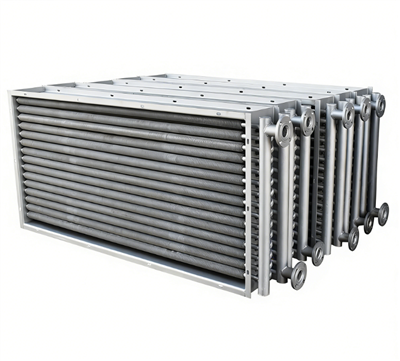
So, as you can see, the fin design has a major impact on the performance of finned tubes. Whether it’s the shape, height, thickness, material, density, or spacing, every aspect of the fin design needs to be carefully considered.
Finned Tube If you’re in the market for finned tubes and want to make sure you’re getting the best performance for your application, I’d love to talk to you. We’ve got a wide range of finned tubes with different fin designs, and our team of experts can help you choose the right one for your needs. Just reach out, and let’s start a conversation about how we can improve your heat transfer system.
References
- Incropera, F. P., & DeWitt, D. P. (2002). Fundamentals of Heat and Mass Transfer. Wiley.
- Kays, W. M., & London, A. L. (1998). Compact Heat Exchangers. McGraw – Hill.
Xiangshui Derkang Refrigeration Equipment Co., Ltd.
As one of the most professional finned tube manufacturers in China, we’re featured by quality products and low price. If you’re going to buy discount finned tube, welcome to get quotation from our factory. We also accept customized orders.
Address: No. 2, Xiaojian Town Entrepreneurship Park, Xiangshui County
E-mail: 505745223@qq.com
WebSite: https://www.xsderk.com/
