Embarking on a project that involves Radio-Frequency Identification (RFID) technology can be both exciting and challenging. One of the most crucial decisions you’ll face is choosing the right RFID UHF card. As a well – established RFID UHF card supplier, I’ve witnessed firsthand the implications of making the right or wrong choice. In this blog post, I’ll share insights on how to select the perfect RFID UHF card for your project. RFID UHF Card
Understanding the Basics of RFID UHF Cards
Before delving into the selection process, it’s essential to understand what RFID UHF cards are. UHF stands for Ultra – High Frequency, which typically ranges from 860 MHz to 960 MHz. RFID UHF cards use this frequency range to communicate with RFID readers. They offer several advantages, such as long – range reading capabilities, high data transfer rates, and the ability to read multiple tags simultaneously.
Factors to Consider
1. Application Requirements
- Read Range: Different projects have different demands for the read range. For instance, inventory management in a large warehouse may require a long – range read, where the RFID reader can detect cards from several meters away. On the other hand, access control systems in an office building may only need a short – range read, typically within a few centimeters to a meter. As a supplier, I’ve seen countless projects where the wrong read range selection led to inefficiencies. If you need a long – range application, look for RFID UHF cards with high – gain antennas and sensitive chips.
- Data Storage Capacity: The amount of data you need to store on the card is another critical factor. Some simple access control applications may only require storing a unique identifier, which takes up very little space. However, projects like asset tracking where additional information such as maintenance history, purchase date, etc., need to be stored will demand cards with larger data storage capacity.
2. Environmental Conditions
- Temperature and Humidity: If your project will be operating in extreme temperatures or high – humidity environments, you need to choose RFID UHF cards that can withstand these conditions. For example, outdoor logistics projects may expose the cards to both high heat during the day and cold at night. Cards with robust encapsulation materials and temperature – resistant components are ideal for such scenarios.
- Chemical Exposure: In industries like manufacturing or chemical processing, the cards may come into contact with various chemicals. Select cards that are chemically resistant to ensure their longevity and proper functioning.
3. Card Format and Design
- Size and Shape: The physical size and shape of the RFID UHF card should fit your project’s requirements. For example, if you’re using the cards for employee badges, a standard credit – card size may be appropriate. However, for some specialized applications, such as integrating the card into a small device, a smaller form factor may be necessary.
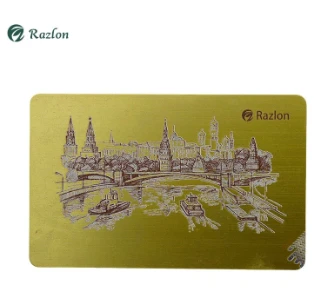
- Appearance: In some cases, the appearance of the card matters. For instance, if the cards are being used for event passes, they may need to be visually appealing with custom printing or branding. As a supplier, I can offer a variety of printing options to meet your aesthetic needs.
4. Compatibility
- Reader Compatibility: Ensure that the RFID UHF card you choose is compatible with your existing RFID readers. Different readers may support different protocols and frequencies within the UHF range. Using an incompatible card – reader combination can lead to failed reads and communication issues.
- System Compatibility: The RFID UHF card should also be compatible with your overall project system. Whether it’s an inventory management software or an access control system, seamless integration is key to the success of your project.
5. Cost – Effectiveness
- Initial Cost: While it’s important not to compromise on quality, the initial cost of the RFID UHF cards is a significant consideration. Compare prices from different suppliers, but also keep in mind that cheaper cards may not always offer the best performance or durability in the long run.
- Long – Term Cost: Consider the long – term costs associated with the cards. This includes factors such as maintenance, replacement due to wear and tear, and any potential costs related to system inefficiencies caused by low – quality cards.
Types of RFID UHF Cards
1. Standard RFID UHF Cards
These are the most common type of cards and are suitable for a wide range of applications. They typically come in a standard credit – card size and offer basic functionality such as storing a unique identifier. They are cost – effective and widely available.
2. Inlay – Based RFID UHF Cards
Inlay – based cards consist of an RFID inlay (a thin, flexible circuit) embedded in a card substrate. They are more customizable in terms of size and design. Inlays can be easily integrated into different card materials, such as plastic, paper, or fabric, making them suitable for specialized applications.
3. Die – Cut RFID UHF Cards
Die – cut cards are cut into custom shapes, which is useful for projects with specific design requirements. For example, a promotional event may use die – cut RFID UHF cards in the shape of the event logo.
Quality Assurance
As a supplier, I understand the importance of quality. When choosing an RFID UHF card, look for suppliers who offer quality assurance. This includes testing the cards for read/write performance, durability, and compliance with industry standards. A reliable supplier will also provide a warranty for their products, giving you peace of mind.
Case Studies
Let’s look at a couple of real – world examples to illustrate the importance of choosing the right RFID UHF card.
Case Study 1: Warehouse Inventory Management
A large e – commerce warehouse was struggling with inefficient inventory management. They initially used low – quality RFID UHF cards with a short read range. As a result, they had to get the reader very close to each item, which was time – consuming. After switching to high – performance cards with a long read range and high – gain antennas, they were able to quickly scan large quantities of inventory from a distance, significantly improving their efficiency.
Case Study 2: Event Access Control
A music festival used low – cost, non – customizable RFID UHF cards for access control. The cards were not visually appealing, and the event organizers wanted to have better branding on them. They switched to inlay – based cards that allowed for custom printing. This not only improved the appearance of the event passes but also enhanced the overall event experience for the attendees.
Making the Right Choice
To make the best decision for your project, start by clearly defining your requirements. List down the read range, data storage capacity, environmental conditions, and any other specific needs. Then, research different types of RFID UHF cards and compare their features and prices. Don’t hesitate to reach out to suppliers, like me, for samples and technical advice. I’ve helped numerous clients choose the right cards for their projects, and I’d be more than happy to assist you as well.
Conclusion
Choosing the right RFID UHF card is a crucial step in the success of your project. By considering factors such as application requirements, environmental conditions, card format, compatibility, and cost – effectiveness, you can make an informed decision. As a supplier, I’m committed to providing high – quality RFID UHF cards that meet your specific needs. Whether you’re a small business looking to implement an access control system or a large enterprise managing a complex inventory, I have the expertise and products to support you.
RFID HF Card If you’re ready to discuss your project requirements and find the perfect RFID UHF card for your needs, I invite you to reach out to me. We can have a detailed discussion about your project, and I can provide you with the best possible solutions.
References
- Dobkin, D. L. (2008). The RF in RFID: Passive UHF RFID in Practice. Morgan Kaufmann Publishers.
- Finkenzeller, K. (2010). RFID Handbook: Fundamentals and Applications in Contactless Smart Cards and Identification. Wiley.
- International Organization for Standardization (ISO). ISO/IEC 18000 – 6: Radio – frequency identification for item management.
Shenzhen Razlon Technology Co., Ltd.
Shenzhen Razlon Technology Co., Ltd. is one of the most professional rfid uhf card manufacturers and suppliers in China, specialized in providing high quality customized service. If you’re going to buy or wholesale bulk rfid uhf card in stock, welcome to get quotation and free sample from our factory. For price consultation, contact us.
Address: No. 5 , Lin Chun, Xisheng Street, Tangxia Town, Dongguan City China. 523711
E-mail: Rachel@razlon.com
WebSite: https://www.razloncard.com/
