As a provider of RGV (Straight Rail) systems, I am frequently asked about the maximum travel distance of these remarkable pieces of equipment. The question is not only relevant for those in the logistics and warehousing industries but also for anyone involved in automated material handling. In this blog post, I will delve into the factors that determine the maximum travel distance of RGV (Straight Rail) systems and provide insights based on our experience in the field. RGV (Straight Rail)
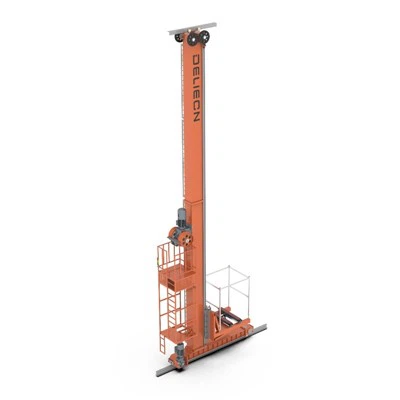
Understanding RGV (Straight Rail) Systems
Before we discuss the maximum travel distance, it’s important to understand what RGV (Straight Rail) systems are. RGV stands for Rail Guided Vehicle, and as the name suggests, these vehicles are guided by a straight rail. They are used for transporting goods within a warehouse or a manufacturing facility. RGV systems are known for their high efficiency, precision, and reliability, making them a popular choice for many industries.
RGV systems typically consist of a vehicle, a rail track, a control system, and a power supply. The vehicle is designed to move along the rail track, carrying goods from one location to another. The control system manages the movement of the vehicle, ensuring that it stops and starts at the right locations and operates safely. The power supply provides the energy needed for the vehicle to move.
Factors Affecting the Maximum Travel Distance
The maximum travel distance of an RGV (Straight Rail) system is determined by several factors. These factors include the design of the RGV, the type of rail track, the power supply, and the operating environment.
Design of the RGV
The design of the RGV plays a crucial role in determining its maximum travel distance. The size and weight of the RGV, as well as the capacity of its battery or power source, can all affect how far it can travel. For example, a larger and heavier RGV may require more power to move, which can limit its travel distance. On the other hand, an RGV with a high-capacity battery or a more efficient power system can travel further.
The design of the RGV’s wheels and bearings also affects its travel distance. High-quality wheels and bearings can reduce friction, allowing the RGV to move more smoothly and efficiently. This can increase the RGV’s travel distance and reduce wear and tear on the vehicle.
Type of Rail Track
The type of rail track used in an RGV system can also impact the maximum travel distance. The length, straightness, and smoothness of the rail track are all important factors. A longer rail track can allow the RGV to travel further, but it also requires more precise installation to ensure that the RGV can move along it safely.
The straightness of the rail track is crucial for the smooth operation of the RGV. Any curves or bends in the track can increase the resistance and reduce the travel distance. A smooth rail track can also reduce friction, allowing the RGV to move more efficiently.
Power Supply
The power supply is another important factor in determining the maximum travel distance of an RGV. Most RGVs are powered by batteries or an external power source. The capacity of the battery or the power output of the external power source can limit the RGV’s travel distance.
Battery-powered RGVs are popular because they offer flexibility and mobility. However, the capacity of the battery can limit the travel distance. To increase the travel distance of a battery-powered RGV, it may be necessary to use a higher-capacity battery or to install a battery charging system along the rail track.
External power sources, such as overhead power lines or conductive rails, can provide a continuous supply of power to the RGV. This can allow the RGV to travel longer distances without the need for battery charging. However, the installation of an external power source can be more complex and expensive.
Operating Environment
The operating environment can also affect the maximum travel distance of an RGV. Factors such as temperature, humidity, and the presence of dust or debris can all impact the performance of the RGV. For example, extreme temperatures can reduce the efficiency of the battery or the power system, which can limit the travel distance.
The presence of dust or debris on the rail track can increase friction and reduce the travel distance. To ensure the optimal performance of the RGV, it is important to keep the operating environment clean and to maintain the rail track regularly.
Real-World Examples
In our experience as an RGV (Straight Rail) supplier, we have installed RGV systems with various travel distances. For small-scale warehouses or manufacturing facilities, we have installed RGV systems with travel distances of up to 50 meters. These systems are typically used for short-distance transportation of goods within the facility.
For larger warehouses or distribution centers, we have installed RGV systems with travel distances of up to 200 meters or more. These systems are designed to handle high volumes of goods and to transport them over longer distances.
One of our clients, a large e-commerce company, needed an RGV system to transport goods between different areas of their warehouse. We designed and installed an RGV system with a travel distance of 150 meters. The system was powered by an external power source and was equipped with high-quality wheels and bearings to ensure smooth and efficient operation.
Maximizing the Travel Distance
To maximize the travel distance of an RGV (Straight Rail) system, it is important to consider the factors mentioned above. Here are some tips to help you increase the travel distance of your RGV system:
- Choose the right RGV design: Select an RGV with a suitable size and weight for your application. Consider the capacity of the battery or the power system to ensure that it can provide enough energy for the desired travel distance.
- Use a high-quality rail track: Install a straight and smooth rail track to reduce friction and ensure the smooth operation of the RGV. Regularly maintain the rail track to keep it clean and in good condition.
- Optimize the power supply: If you are using a battery-powered RGV, choose a high-capacity battery or install a battery charging system along the rail track. If you are using an external power source, ensure that it provides a stable and continuous supply of power.
- Control the operating environment: Keep the operating environment clean and maintain the appropriate temperature and humidity levels. This can help to ensure the optimal performance of the RGV and increase its travel distance.
Conclusion

The maximum travel distance of an RGV (Straight Rail) system is determined by several factors, including the design of the RGV, the type of rail track, the power supply, and the operating environment. By considering these factors and following the tips mentioned above, you can maximize the travel distance of your RGV system and improve its efficiency and performance.
Smart Vertical Carousel If you are interested in learning more about our RGV (Straight Rail) systems or if you have any questions about the maximum travel distance, please feel free to contact us. We would be happy to discuss your specific requirements and provide you with a customized solution.
References
- "Automated Material Handling Systems: Design and Analysis" by John A. White
- "Logistics and Supply Chain Management" by Martin Christopher
- "Warehouse Automation: A Practical Guide" by Mark A. Bouchard
DELIECN
DELIECN is one of the most reliable rgv (straight rail) manufacturers and suppliers in China, our products have good reputation in the market. Please rest assured to wholesale high quality rgv (straight rail) at competitive price from our factory. Contact us for more details.
Address: Room 602, Building G2, Artificial Intelligence Industrial Park, No.88 Jinjihu Avenue, Suzhou Industrial Park, Suzhou City, China
E-mail: marketing@delilogitech.com
WebSite: https://www.deliecn.com/
