Hey there! I’m a supplier of Pressure Relief Valves. You know, these valves play a super crucial role in a whole bunch of industries, from oil and gas to chemical processing. But just like any other piece of equipment, they need proper maintenance to work effectively and keep everything safe. So, let’s dive into what the maintenance procedures for a Pressure Relief Valve are. Pressure Relief Valve

First off, let’s talk about regular inspections. This is kind of the bread – and – butter of pressure relief valve maintenance. You should check these valves at least once a year, but in some high – risk environments, more frequent checks might be needed.
During a visual inspection, look for any signs of physical damage. Check if there are any cracks on the valve body. Cracks can weaken the valve and cause it to malfunction. Also, look for corrosion. Corrosion can eat away at the metal parts of the valve, affecting its performance. If you spot any corrosion, you might need to clean or replace the affected parts. And don’t forget to check the gaskets. Gaskets are important for sealing. If they’re worn out or damaged, they can lead to leaks. You can usually tell if a gasket needs replacing if it looks brittle, has cuts, or is no longer fitting snugly.
Another key part of the inspection is examining the valve seat. The valve seat is where the valve closes to prevent flow under normal conditions. A worn – out or damaged seat can cause the valve to leak or open prematurely. You might need special tools to really get a good look at the seat. Sometimes, a simple magnifying glass can help you spot small nicks or scratches.
Now, moving on to cleaning. Cleaning the pressure relief valve is essential to remove any debris or build – up that could interfere with its operation. You can use a soft brush and a suitable cleaning agent. But be careful not to use anything too abrasive that could damage the valve.
Start by removing the valve from the system if it’s safe to do so. Then, disassemble the valve carefully, making sure to keep track of all the parts. Clean each part thoroughly, paying special attention to the orifices and passages where debris can easily get stuck. After cleaning, rinse the parts with clean water and dry them completely. You don’t want any moisture left behind as it can cause corrosion later on.
Testing is also a major part of the maintenance process. There are two main types of tests: the pop – test and the chamber test.
The pop – test is a simple way to check if the valve opens at the set pressure. You’ll need a test rig for this. Once the valve is on the test rig, gradually increase the pressure until the valve pops open. The pressure at which it pops should be within the specified range. If it’s not, you might need to adjust the valve.
The chamber test is a bit more complex. It involves using a pressure chamber to simulate different operating conditions. This test can give you more detailed information about the valve’s performance, like its flow rate and how well it reseats after opening.
Adjustment is something you might need to do based on the test results. If the valve isn’t opening or closing at the right pressure, you can make adjustments. But this should only be done by trained personnel. You’ll need to refer to the valve’s manual to know how to make the right adjustments. Usually, it involves adjusting the spring tension or other internal components.
Lubrication is another aspect that shouldn’t be overlooked. Some parts of the pressure relief valve, like the moving parts, need proper lubrication to work smoothly. Use a lubricant that’s recommended by the valve manufacturer. Apply the lubricant sparingly to avoid attracting dirt and debris.
Documentation is super important throughout the maintenance process. Keep a record of all inspections, cleanings, tests, and adjustments. This documentation can help you track the valve’s performance over time, identify any recurring issues, and also meet regulatory requirements.
Now, let’s talk about storage. If you have spare pressure relief valves in storage, you need to store them properly. Keep them in a dry, clean place. You might want to cover them to protect them from dust and moisture. And don’t forget to label them clearly so you know what they are and when they were last inspected.
Training your staff is also a big deal. Everyone who’s involved in the maintenance of pressure relief valves should be properly trained. They need to know how to do inspections, cleanings, tests, adjustments, and all the safety procedures. This can prevent mistakes and ensure that the valves are maintained correctly.
When it comes to replacement parts, always use genuine parts from the valve manufacturer. Using non – genuine parts can lead to compatibility issues and affect the valve’s performance and safety.
In addition to all these regular maintenance procedures, you should also have an emergency plan in place. In case a pressure relief valve fails or malfunctions, you need to know what to do. This could involve shutting down the system safely, isolating the affected area, and replacing the valve as quickly as possible.
Well, there you have it, folks! These are the main maintenance procedures for a Pressure Relief Valve. By following these steps, you can ensure that your valves are in good working condition, which is not only important for the safety of your operations but also for the longevity of your equipment.
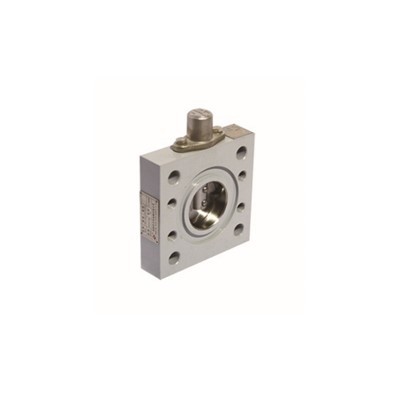
If you’re in the market for quality Pressure Relief Valves or need more advice on maintenance, don’t hesitate to reach out. We’re here to help you with all your pressure relief valve needs. Whether you’re building a new system or just looking to replace some old valves, we’ve got you covered. Contact us for a consultation and let’s start a great working relationship!
Transformer Valve References
- Pressure Relief Valve Handbook by an Industry Expert
- Manuals provided by Pressure Relief Valve Manufacturers
Hebei Anmei Electrical Equipment Co., Ltd.
Hebei Anmei Electrical Equipment Co., Ltd. is one of the most professional pressure relief valve manufacturers and suppliers in China, specialized in providing high quality products and service. Please feel free to buy customized pressure relief valve made in China here from our factory. Contact us for quotation.
Address: Hejian Yingzhou Economic Development Zone, Cangzhou City, Hebei Province
E-mail: sales@anmeielec.com
WebSite: https://www.anmeibushing.com/
