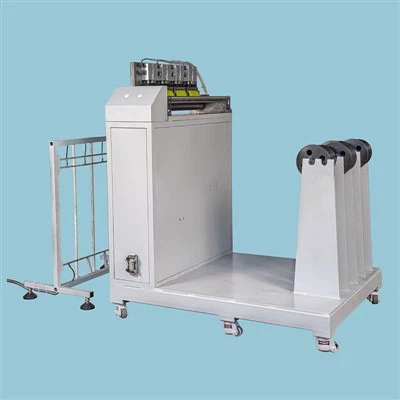
Hey there! I’m a supplier of Fin Press Machines, and today I wanna chat about the fin production automation improvement methods of these machines. Fin Press Machine
Why Focus on Automation Improvement?
First off, let’s talk about why we even bother with improving automation in fin production. In today’s fast – paced manufacturing world, time is money. Manual processes in fin production can be slow, error – prone, and costly. By automating the fin production process, we can increase efficiency, reduce waste, and improve the overall quality of the fins.
Automation also allows for better control over the production process. With automated systems, we can precisely control variables like pressure, temperature, and speed, which leads to more consistent fin quality. And let’s not forget about safety. Automated machines can perform tasks that are dangerous for human operators, reducing the risk of workplace accidents.
Current State of Fin Press Machine Automation
Before we dive into the improvement methods, let’s take a look at the current state of automation in fin press machines. Most modern fin press machines already have some level of automation. For example, they may have automated feeding systems that can load the raw material onto the machine, and some basic control systems to regulate the press operation.
However, there’s still a lot of room for improvement. Many machines still rely on human operators for tasks like quality inspection, tool changeovers, and minor adjustments. These manual tasks can slow down the production process and introduce human error.
Improvement Methods
1. Advanced Sensor Technology
One of the key ways to improve fin production automation is by implementing advanced sensor technology. Sensors can be used to monitor various aspects of the fin production process, such as the thickness of the fin, the pressure applied during pressing, and the temperature of the machine.
For example, thickness sensors can detect if the fin is being produced within the specified thickness range. If the thickness deviates from the standard, the sensor can send a signal to the control system, which can then adjust the machine settings to correct the problem. Pressure sensors can ensure that the press is applying the right amount of force, preventing over – or under – pressing of the fins.
2. Machine Learning and AI Integration
Machine learning and artificial intelligence can play a huge role in improving fin production automation. By analyzing large amounts of production data, machine learning algorithms can identify patterns and trends that humans might miss.
For instance, an AI system can analyze data on fin defects and predict when a machine is likely to produce defective fins. This allows for proactive maintenance and adjustments, reducing the number of defective products. AI can also optimize the production process by suggesting the best settings for the fin press machine based on factors like raw material properties and production volume.
3. Robotic Integration
Robots can be integrated into the fin production process to perform tasks that are repetitive, dangerous, or require high precision. For example, robots can be used for material handling, such as loading and unloading the raw material and finished fins. They can also be used for quality inspection, using cameras and sensors to detect defects in the fins.
Robotic arms can be programmed to perform complex movements with high accuracy, which can improve the overall efficiency of the production process. And since robots don’t get tired or make mistakes due to fatigue, they can work continuously, increasing the production output.
4. Smart Control Systems
A smart control system is essential for improving fin production automation. These systems can integrate all the different components of the fin press machine, such as the sensors, robots, and the press itself.
A smart control system can monitor the entire production process in real – time and make adjustments as needed. For example, if the system detects a change in the raw material properties, it can automatically adjust the machine settings to ensure that the fins are produced to the required specifications.
5. Connectivity and Data Sharing
In today’s digital age, connectivity is key. By connecting the fin press machine to a network, we can share data with other machines, production management systems, and even with suppliers and customers.
For example, the fin press machine can send data on production output, quality, and machine status to a central production management system. This allows managers to monitor the production process remotely and make informed decisions. Data sharing can also enable predictive maintenance, as the machine can send data on its performance to the maintenance team, who can then schedule maintenance before a breakdown occurs.
Challenges and Solutions
Of course, implementing these automation improvement methods isn’t without its challenges. One of the main challenges is the cost of implementing new technology. Advanced sensors, robots, and AI systems can be expensive to purchase and install.
However, the long – term benefits of automation often outweigh the initial costs. By increasing efficiency, reducing waste, and improving quality, the return on investment can be significant. Another challenge is the need for skilled workers to operate and maintain the automated systems. To address this, we can provide training programs for our employees to ensure that they have the necessary skills to work with the new technology.
Conclusion
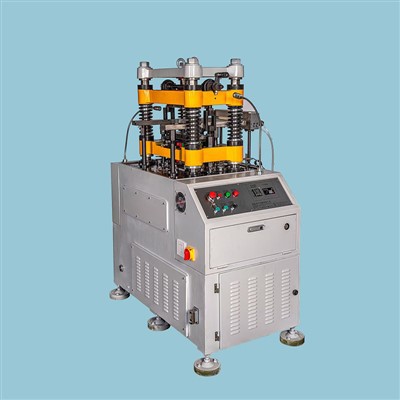
In conclusion, improving the automation of fin production in fin press machines is crucial for staying competitive in the manufacturing industry. By implementing advanced sensor technology, machine learning and AI, robotic integration, smart control systems, and connectivity, we can increase efficiency, reduce waste, and improve the quality of the fins.
Stamping Die If you’re in the market for a fin press machine or looking to improve the automation of your existing fin production process, I’d love to have a chat with you. We’ve got a lot of experience in this area and can offer you the best solutions for your specific needs. Let’s start a conversation and see how we can work together to take your fin production to the next level.
References
- Manufacturing Automation: Principles and Applications by David A. Dornfeld
- Handbook of Automation, Production Systems, and Computer – Aided Manufacturing by Mikell P. Groover
- Machine Learning for Engineers: An Introduction by Sebastian Raschka and Michael Mirjalili
Suichang Lvye Machinery Co., Ltd.
We are one of the most professional fin press machine manufacturers in China, also support customized service with low price. We warmly welcome you to buy discount fin press machine for sale here from our factory. If you have any enquiry about quotation, please feel free to email us.
Address: No. 402, Mudanting East Road, Miaogao Street, Suichang County, Lishui City, Zhejiang Province
E-mail: L528753@outlook.com
WebSite: https://www.suichanglvye.com/
