If you’ve worked with right angle and worm gearboxes as long as I have, you know these parts don’t just “wear out” — they tell a story. I’ve sold, installed, and serviced thousands of them over 18 years, from small worm drives powering conveyor belts in food packaging plants to massive right angle gearboxes keeping steel mills running 24/7. When they reach the end of their working life, it’s easy to look at a rusted, caked-in-oil hunk of metal and think, “This is just trash.” But after watching hundreds of perfectly good gearboxes get hauled to landfills or mishandled at recycling centers, I want to clear up a big misconception: recycling your old right angle and worm gearboxes isn’t just about tossing metal. It’s about doing it right, and as someone who’s spent decades sourcing these parts for businesses, I’m here to walk you through exactly how to do that. Right Angle & Worm Gearboxes
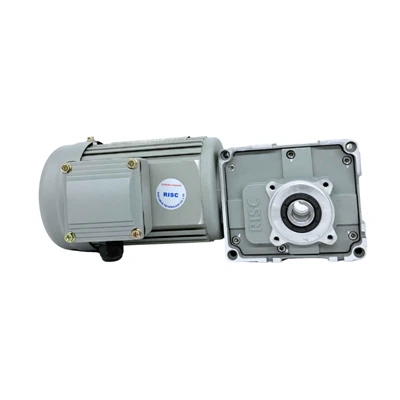
First, let’s talk about why these gearboxes are different from other industrial scrap. A right angle gearbox, with its 90-degree gear arrangement, and a worm gearbox, which uses a screw-like worm to turn a gear, are packed with mix of materials that make them tricky to recycle if you don’t know what you’re doing. The main body is almost always cast iron or steel, which is highly recyclable, but they have other components too: sealed bearings (often with small amounts of copper, plastic, and even rare earth metals in high-performance models), gear teeth made of hardened steel that resist wear, and sealed cavities filled with synthetic or mineral gear oil. That mix means if you just dump the whole unit in a scrap bin, you risk contaminating pure metal loads, wasting valuable recoverable parts, and even leaking oil that’s harmful to the environment. I once saw a customer at a local scrap yard dump an old worm gearbox in with aluminum scrap — that’s a $200 mistake, because iron and steel ruin the value of aluminum batches. Don’t be that person.
Let’s start with the most important step you can take: assess the condition of your gearboxes before you even think about recycling. Not every old gearbox needs to be shredded or melted down. If you have units that still run, or only have minor wear on the gear teeth, that’s a whole other story. Over the years, I’ve helped customers sell or repurpose used gearboxes instead of recycling them. For example, a small beverage distributor I work with replaced 12 old right angle gearboxes last year because they upgraded their conveyor system, but the old ones still had 80% of their life left. We listed them on a local industrial parts exchange, and a nearby small manufacturing shop bought them for a quarter of the cost of new ones. That’s better than recycling, right? It cuts down on waste, saves someone else money, and keeps good parts out of landfills. Even if a gearbox isn’t running perfectly, if the casing is intact and the worm or gear isn’t stripped, it’s worth checking with gearbox suppliers like me to see if we can refurbish it. Refurbishing is cheaper than buying new, and it keeps the material footprint way smaller than recycling. So step one: sort your old gearboxes into three piles: 1) fully functional or repairable, 2) beyond repair but with intact casings and no major oil leaks, 3) damaged, leaking, or completely worn out.
Now, if you’re in that third pile, or if you can’t find a use for the repairable ones, it’s time to move toward recycling. The next critical step is to drain the gear oil properly. This is non-negotiable, in my opinion. Gear oil is a hazardous waste if it’s not handled right — it can seep into soil and contaminate groundwater, and many recycling centers won’t accept gearboxes with oil inside because it ruins their ability to process metal and other components. Here’s how to do it right. First, make sure the gearbox is cool to the touch — never drain hot oil, that’s a burn risk, and it also breaks down the oil’s properties, making it harder to recycle later. Locate the drain plug, which is usually on the bottom of the gearbox casing (if you can’t find it, I recommend checking the manufacturer’s manual for that specific model — we keep copies of every manual for the gearboxes we sell, so if you bought from us, just call our team and we’ll send it over). Place a clean, sealed container under the drain plug. If the gearbox is large, you might need a funnel to catch the oil without spilling. Once the oil is drained, put a tight lid on the container and label it clearly as “used gear oil.” This oil can be recycled at most auto parts stores, or through your local hazardous waste collection program — never pour it down a drain, on the ground, or in a regular trash bin. Once the oil is drained, set the empty gearbox casing aside. Don’t throw it in a bin yet.
Next, separate the removable, valuable components from the casing. This is where you can get the most value out of your old gearboxes, and also make the recycling process easier. Right angle and worm gearboxes are built to be taken apart, usually with a few bolts on the casing. For most smaller to mid-sized units, you can do this with a basic wrench set. The components you want to pull out are: the worm gear, the main gear, bearings, any seals, and any plastic parts (like the gearbox’s mounting flanges or covers). The worm and main gear are almost always steel, so they’re high-value scrap. Bearings have copper and steel, which is worth more than just plain iron. Even small parts like seals can sometimes be recycled for their rubber or synthetic components. Just remember: if the gearbox is very large (like the ones we sell for steel mills, which can weigh 1,000 pounds or more), don’t try to take it apart yourself — call a professional industrial scrap handler, they have the tools to take apart large units safely.
Once you’ve pulled out the removable parts, it’s time to figure out how and where to recycle them. Not all scrap yards or recycling centers accept gearboxes, so you need to do a little research first. Here’s what to look for in a recycling partner: first, do they accept mixed industrial metal scrap? Many scrap yards have separate bins for steel, iron, copper, and aluminum, so you can sort your gearbox parts into the right bins. For example, steel from the gear casing goes into the steel bin, the bearings go into the copper/heavy metals bin, if you have any aluminum parts (some mounting brackets are aluminum), those go into the aluminum bin. Second, do they have experience handling gearboxes with old oil? As I mentioned earlier, oil contamination ruins scrap metal batches, so you want a yard that can process metal that might have small residual oil, or that requires you to pre-drain it, which you already did, right? Third, do they offer fair pricing? Some yards will give you a better rate for clean, sorted scrap, so taking the time to drain oil and pull out removable parts can actually put cash in your pocket, not just keep waste out of landfills.
I’ve also had customers tell me they’ve used gearbox suppliers like ours to handle their end-of-life units, and that’s a great option too. We have partnerships with certified recycling facilities that specialize in processing industrial gearboxes, so if you’ve bought your gearboxes from us, we can pick up your old ones for a small fee (or even for free, depending on volume) and handle all the recycling for you. This is especially helpful for businesses that don’t have the time or staff to take apart and sort gearboxes. We make sure every part is processed correctly: metal is melted down to make new parts, used oil is refined to be reused as lubricant, and even the small plastic and rubber components are recycled where possible. No part goes to a landfill that can be repurposed.
Wait, let’s talk about common mistakes I see all the time, because they’re easy to avoid. First, don’t just throw the whole gearbox in with regular trash. Even if you don’t care about recycling value, many municipalities fine businesses for dumping hazardous waste like gear oil, so that’s a big risk. Second, don’t try to process large gearboxes yourself. Those big steel units are heavy and have sharp edges, not to mention they’re hard to take apart without the right tools. Third, don’t skip checking if a gearbox is repairable. I can’t stress this enough — I’ve had customers throw away gearboxes that would have cost $500 to fix, instead of recycling them for $100. A quick call to a gearbox supplier can save you a ton of money and waste.
Another thing to consider: environmental regulations. Industrial recycling is governed by local, state, and federal rules, and they vary depending on where you are. For example, in many countries, businesses are required to recycle 90% of their industrial metal scrap, so you can’t just dump gearboxes in landfills anymore. This is not just a “nice to do” — it’s often a legal requirement. By taking the time to recycle your gearboxes properly, you’re not only avoiding fines, you’re also helping reduce the demand for virgin metal. Making new steel from recycled steel uses 75% less energy than making it from iron ore, so every old gearbox you recycle cuts down on carbon emissions, saves natural resources, and reduces the environmental impact of manufacturing.
Let me wrap this up with a quick, step-by-step checklist you can follow, so you don’t have to remember everything:
- Assess your old right angle and worm gearboxes: sort into functional/repairable, beyond repair but intact, damaged/leaking.
- For functional/repairable units: contact a gearbox supplier like us to discuss refurbishing or reselling.
- For units destined for recycling: drain all gear oil properly, store in sealed, labeled containers for hazardous waste recycling.
- Separate removable components (gears, bearings, mounting parts) from the metal casing.
- Sort components into clean metal types (steel, copper, aluminum) and drop off at a certified scrap yard, or partner with your gearbox supplier for pickup and processing.
- Avoid common mistakes: don’t mix with other trash, don’t attempt to process large units yourself, and don’t skip the repairable check.
At the end of the day, right angle and worm gearboxes are built to last, and that means when they reach the end of their life, they have a lot of value to give — not just in scrap value, but in the work they can do again if they’re repurposed, and the environmental benefit of recycling their materials. I’ve spent 18 years in this industry, and I’ve seen too many businesses waste that value by not knowing how to process their old gearboxes. That’s why I’m sharing this guide — to help you do it right, save money, and do right by the planet.

If you have old right angle or worm gearboxes at the end of their life, or if you’re looking to upgrade your current systems and need to discuss refurbishment, resale, or recycling support, our team is here to help. We work with businesses of all sizes, from small local shops to large industrial facilities, to make gearbox lifecycle management simple and sustainable. Reach out to us to discuss your needs, get a consultation, or arrange pickup for your old units.
Inline Helical Gear Boxes References
- International Organization for Standardization (ISO) 14001: Environmental management systems — Requirements with guidance for use, 2015
- Steel Recycling Institute. “Life Cycle Assessment of Recycled vs. Virgin Steel,” 2022
- U.S. Environmental Protection Agency (EPA). “Hazardous Waste Management for Industrial Gear Oils,” 2021
- Gear Manufacturers Association (GMA). “Guidelines for End-of-Life Management of Industrial Gearboxes,” 2020
- European Chemical Agency (ECHA). “Registration, Evaluation, Authorization and Restriction of Chemicals (REACH) Guidance on Industrial Metal Recycling,” 2023
GuangDong Ruisico Transmission Technology Co., Ltd.
Guangdong Ruisico Transmission Technology Co., Ltd. is one of the most reliable right angle & worm gearboxes manufacturers and suppliers in China, also supports customized service. Welcome to buy durable right angle & worm gearboxes made in China here and get quotation from our factory. For price consultation, contact us.
Address: No. 70, Anjing Road, Shengfeng Community, Xiaolan Town, Zhongshan City
E-mail: info@risc-drive.com
WebSite: https://www.risc-motor.com/
