Yo, folks! I’m here as an engineering chain supplier to chat about a super common question: Can an engineering chain be used in wet environments? This is a hot topic that I get asked about all the time, so let’s dig into it. Engineering Chain

First off, what are engineering chains?
Engineering chains are a big deal in all sorts of industries. They’re tough and built to handle heavy – duty tasks. You’ll find them working hard in conveyors, agricultural machinery, and material – handling equipment. These chains are made to be durable, with high – strength links and smooth functioning, but how do they hold up when things get wet?
The challenges of wet environments for engineering chains
When we talk about wet environments, we’re looking at places like food processing plants where there’s plenty of water for cleaning, mining sites that can have water seepage, or outdoor applications where it rains and snows. Moisture is the chief culprit here.
- Corrosion: Water is like a rust – maker. It reacts with the metal in the chain, especially if it’s plain carbon steel. Rust weakens the chain over time. As the rust forms, it eats away at the metal, making the links thinner and less strong. Cracks can start to form, and if you don’t catch it early, the chain could break down completely.
- Lubrication issues: Good lubrication is key for an engineering chain to work smoothly. In wet conditions, water can wash away the lubricant. Without proper lubrication, the friction between the chain links increases. More friction means more wear and tear. The pins and bushings of the chain start to grind against each other, leading to premature failure of the chain.
- Debris accumulation: Water often brings along dirt, sand, and other debris. These little particles can get stuck in the chain’s moving parts. The debris acts like sandpaper, accelerating the wear of the chain’s components. It can also cause misalignment of the chain, which makes it run less efficiently and can put extra stress on the equipment it’s attached to.
Can they still be used in wet environments?
The answer is yes, but there are some important things to keep in mind.
1. Material selection
- Stainless steel chains: This is a great option for wet environments. Stainless steel has a high resistance to corrosion because of the chromium in it. When the chromium reacts with oxygen in the air, it forms a thin, protective layer on the surface of the chain. This layer stops water from getting to the metal underneath and causing rust. For example, in food and beverage industries where hygiene and resistance to corrosion are crucial, stainless steel chains are often the go – to choice.
- Galvanized chains: Galvanized chains are carbon steel chains that have been coated with a layer of zinc. The zinc coating acts as a sacrificial anode. It corrodes first instead of the steel beneath it, providing a good level of protection against water and rust. These chains are a bit more cost – effective than stainless steel ones and are commonly used in outdoor construction and some agricultural applications.
2. Proper lubrication
- Using a water – resistant lubricant is essential. These lubricants are formulated to stay on the chain even when it comes into contact with water. They create a protective film that reduces friction and also helps prevent water from getting to the metal surface. For instance, some synthetic lubricants have excellent water – repellency properties and can last longer in wet conditions compared to traditional oil – based lubricants. We need to re – apply the lubricant regularly, especially after the chain has been exposed to a lot of water or has been washed.
3. Maintenance and cleaning
- Regular maintenance is a must. We should check the chain for signs of wear, corrosion, or debris buildup. If there’s debris, it should be cleaned off gently. For light cleaning, we can use a mild detergent and water. After cleaning, make sure to dry the chain thoroughly before re – applying lubricant. In some cases, we might need to use specialized cleaning equipment, like ultrasonic cleaners, to get rid of stubborn dirt and debris.
Real – world examples
Let’s take a look at a couple of industries where engineering chains are used in wet conditions.
Food processing industry
- In a food processing plant, there are conveyor systems that run continuously. These conveyors move food products around the facility, and they often need to be cleaned frequently with water to maintain hygiene standards. Here, stainless steel engineering chains are used because they can withstand the constant exposure to water and cleaning agents without corroding. The chains are also designed to be easy to clean, with smooth surfaces that don’t trap food particles or debris.
- They’re lubricated with food – grade, water – resistant lubricants to ensure food safety. Despite the wet environment, if properly maintained, these chains can have a long service life, helping the plant run efficiently.
Mining industry
- In mines, there’s a lot of water, either from natural sources like groundwater or from the use of water in the mining process itself. Engineering chains are used in equipment such as bucket elevators and conveyor belts. Galvanized chains are commonly used here for their cost – effectiveness and decent corrosion resistance.
- However, they still require regular maintenance. The chains need to be inspected regularly for signs of wear and corrosion. The lubrication needs to be checked and replenished often, especially after the equipment has been exposed to large amounts of water.
Conclusion
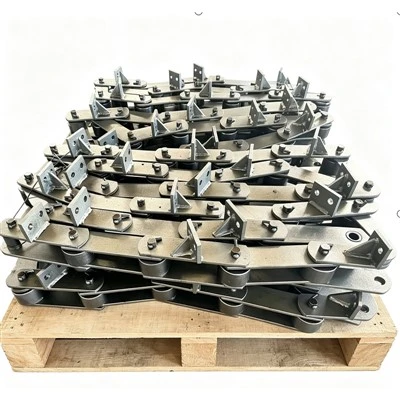
So, can an engineering chain be used in wet environments? Absolutely! With the right material selection, proper lubrication, and regular maintenance, engineering chains can perform well in wet conditions. Different industries have different needs, and we, as engineering chain suppliers, are here to help you choose the best chain for your specific situation.
Leaf Chain If you’re looking for engineering chains for your wet – environment applications or have any questions about them, don’t hesitate to reach out. We can provide you with the right advice and products to keep your equipment running smoothly. Let’s talk about your needs and find the perfect engineering chain solution for you.
References
- "Handbook of Chain Conveyor Engineering"
- "Materials Science and Corrosion Engineering in Industrial Applications"
- Industry reports on food processing and mining equipment technologies
Anhui Huihuang Chain Transmission Co., Ltd.
Anhui Huihuang Chain Transmission Co., Ltd. is one of the most professional engineering chain manufacturers and suppliers in China, also supports high quality customized service. Please feel free to buy discount engineering chain made in China here from our factory. Welcome to contact us for pricelist and free sample.
Address: NO.3 YONGQIANG ROAD. JIXI.ANHUI.CHINA
E-mail: 754590660@qq.com
WebSite: https://www.hhchains.com/
