Hey there! I’m a supplier of ultrasonic components, and today I wanna chat about whether ultrasonic components can be used in liquid environments. It’s a question I get a lot, and it’s super important for anyone who’s thinking about using these components in their projects. Ultrasonic Components
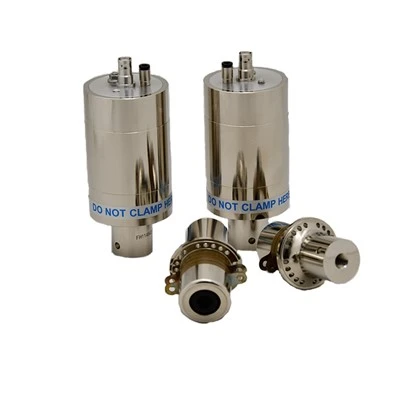
First off, let’s talk about what ultrasonic components are. Ultrasonic components are devices that use ultrasound, which is sound with a frequency higher than the upper limit of human hearing. These components can generate, detect, or manipulate ultrasound waves. Common types include ultrasonic transducers, which can convert electrical energy into ultrasonic waves and vice versa, and ultrasonic sensors, which are used to measure distances, detect objects, and more.
So, can these components work in liquid environments? The short answer is yes, but there are some things to consider.
Why Use Ultrasonic Components in Liquids?
There are several good reasons to use ultrasonic components in liquid environments. One of the main benefits is that ultrasound can travel relatively long distances in liquids with less attenuation compared to air. That means you can use ultrasonic sensors to measure the level of liquids in tanks, detect the presence of objects in a liquid, or even perform non – destructive testing on materials submerged in liquids.
For example, in the food and beverage industry, ultrasonic sensors can be used to measure the level of liquid in storage tanks. This helps in inventory management and ensures that the tanks don’t overflow or run out of product. In the medical field, ultrasonic transducers are used in ultrasound imaging, where the body’s internal organs are imaged by sending ultrasonic waves through the body’s fluids.
How Ultrasonic Components Work in Liquids
When an ultrasonic component, like a transducer, is placed in a liquid, it works in a similar way as it does in air. The transducer sends out ultrasonic waves, which then travel through the liquid. When these waves hit an object or a boundary (like the bottom of a tank), they are reflected back to the transducer. The transducer then detects these reflected waves and can calculate the distance to the object based on the time it takes for the waves to travel there and back.
However, the properties of the liquid can have an impact on how well the ultrasonic component works. For instance, the density and viscosity of the liquid can affect the speed of sound in the liquid. The speed of sound in water is about 1480 m/s, which is much faster than in air (about 343 m/s). So, if you’re using an ultrasonic sensor to measure distance in a liquid, you’ll need to take this different speed of sound into account when calculating the distance.
Challenges of Using Ultrasonic Components in Liquids
While it’s possible to use ultrasonic components in liquids, there are some challenges. One of the biggest challenges is corrosion. Many liquids, especially those that are acidic or alkaline, can corrode the materials of the ultrasonic component over time. This can lead to a decrease in performance and even the failure of the component.
To deal with this, we often use special materials for the construction of our ultrasonic components. For example, we might use stainless steel or plastic coatings to protect the sensitive parts of the transducer. These materials are resistant to corrosion and can help extend the lifespan of the component in a liquid environment.
Another challenge is cavitation. Cavitation occurs when the pressure of the liquid drops below the vapor pressure, causing the formation of small vapor bubbles. These bubbles can collapse violently, creating high – energy shockwaves. These shockwaves can damage the ultrasonic component, especially if the cavitation occurs near the transducer’s surface.
To reduce the risk of cavitation, we need to ensure that the operating conditions are within the safe range. This might involve controlling the power of the ultrasonic wave, the frequency, and the pressure of the liquid.
Testing and Quality Assurance
At our company, we understand the importance of testing our ultrasonic components in liquid environments. Before we sell any product, we subject it to a series of rigorous tests. We test the component’s performance in different types of liquids, including water, oil, and some common chemicals.
We measure parameters like the sensitivity of the transducer, the accuracy of the distance measurement, and the durability of the component in the liquid. If the component doesn’t meet our quality standards, we’ll make adjustments to the design or the manufacturing process until it does.
Applications in Different Industries
Let’s take a look at some of the specific applications of ultrasonic components in liquid environments across different industries.
Chemical Industry
In the chemical industry, ultrasonic components are used for various purposes. They can be used to measure the level of chemicals in storage tanks, ensuring that the correct amount of chemicals is being stored and used. Ultrasonic sensors can also be used to detect the presence of impurities in a liquid chemical. By analyzing the ultrasonic waves that pass through the liquid, we can detect changes in the density or other properties of the liquid, which might indicate the presence of impurities.
Marine Industry
The marine industry also benefits from ultrasonic components. Ultrasonic sensors are used in sonar systems to detect underwater objects, such as submarines, rocks, and other vessels. These sensors can also be used to measure the depth of the water. By sending ultrasonic waves down to the seabed and measuring the time it takes for the waves to return, we can calculate the depth of the water accurately.
Automotive Industry
In the automotive industry, ultrasonic components are used in fuel level sensors. They can accurately measure the level of fuel in the fuel tank, providing real – time information to the driver. This helps in better fuel management and reduces the risk of running out of fuel unexpectedly.
Conclusion
So, to sum it all up, ultrasonic components can definitely be used in liquid environments. They offer many benefits, such as accurate distance measurement and non – destructive testing. However, there are some challenges, like corrosion and cavitation, that need to be addressed.

At our company, we’re dedicated to producing high – quality ultrasonic components that can work effectively in liquid environments. We use advanced materials and manufacturing techniques to ensure the durability and performance of our products.
Ultrasonic Cutting Machine If you’re in the market for ultrasonic components for a liquid – based application, I’d love to talk to you. We can provide you with more information about our products, answer any questions you might have, and even offer customized solutions based on your specific needs. Don’t hesitate to reach out!
References
- Ultrasonic Transducer Handbook
- Principles of Ultrasonic Nondestructive Evaluation
- Journal of Ultrasonics in Liquid Applications
Hangzhou Shengtu Technology Co., Ltd.
Hangzhou Shengtu Technology Co., Ltd. is one of the most professional ultrasonic components manufacturers and suppliers in China, featured by quality products and low price. Please rest assured to buy ultrasonic components for sale here from our factory. Also, customized service is available.
Address: No.16, Changtai Street, Changkou Town, Fuyang District, Hangzhou, Zhejiang, China 311400
E-mail: tina@fun-sonic.com
WebSite: https://www.ultrasonic-coating.com/
