Can ASTM IPS Inch Butt Fusion Fittings be used in potable water systems?
As a supplier of ASTM IPS Inch Butt Fusion Fittings, I often encounter inquiries from customers regarding the suitability of our products for potable water systems. This is a crucial question, considering the direct impact on public health and safety. In this blog, I will delve into the key aspects of using ASTM IPS Inch Butt Fusion Fittings in potable water systems, exploring their material properties, compliance with standards, and real – world applications. ASTM IPS Inch Butt Fusion Fittings
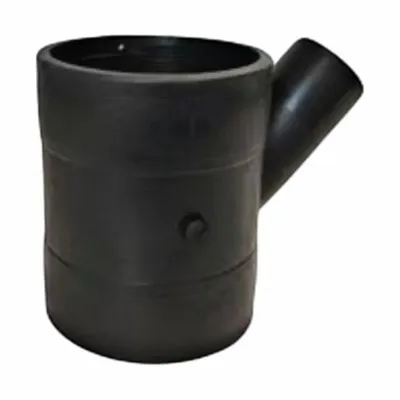
1. Material Properties of ASTM IPS Inch Butt Fusion Fittings
ASTM IPS Inch Butt Fusion Fittings are typically made from high – density polyethylene (HDPE). HDPE is a well – known thermoplastic polymer that offers several advantages for potable water applications.
Firstly, HDPE is chemically inert. It does not react with most chemicals commonly found in potable water, such as chlorine, which is widely used for water disinfection. This means that the fittings will not leach harmful substances into the water, ensuring the water remains safe for human consumption. For example, in a laboratory setting, when HDPE samples are exposed to chlorine – treated water for extended periods, there is no detectable release of heavy metals or other contaminants.
Secondly, HDPE has excellent corrosion resistance. Unlike metal pipes and fittings, which can corrode over time when in contact with water and oxygen, HDPE fittings are immune to rust and corrosion. This property not only prolongs the lifespan of the fittings but also maintains the water quality. In areas where the water has a high mineral content or is slightly acidic, metal fittings may deteriorate, leading to the release of rust particles into the water. In contrast, HDPE ASTM IPS Inch Butt Fusion Fittings remain intact and do not affect the water’s purity.
Moreover, HDPE is a strong and durable material. It can withstand various environmental stresses, including temperature fluctuations and mechanical impacts. In potable water systems, fittings may be subjected to pressure changes and external forces during installation and operation. The high strength – to – density ratio of HDPE ensures that the fittings can handle these conditions without cracking or breaking, providing reliable long – term performance.
2. Compliance with Standards
One of the most important factors in determining the suitability of ASTM IPS Inch Butt Fusion Fittings for potable water systems is their compliance with relevant standards.
The ASTM (American Society for Testing and Materials) has established strict standards for products used in potable water applications. ASTM F714, for instance, specifically addresses polyethylene (PE) plastic pipe and fittings for use in potable water systems. Our ASTM IPS Inch Butt Fusion Fittings are designed and manufactured in accordance with this standard. This means that they have undergone rigorous testing to ensure they meet the requirements for material quality, dimensional accuracy, and performance.
In addition to ASTM standards, many regions also have their own local regulations for potable water systems. For example, in the United States, the National Sanitation Foundation (NSF) has developed NSF/ANSI 61 standard, which focuses on the health effects of drinking water system components. Our fittings are NSF/ANSI 61 certified, which indicates that they are safe for use in contact with potable water and do not pose any health risks to consumers.
Compliance with these standards and certifications is not only a legal requirement but also a guarantee of the quality and safety of the fittings in potable water applications. It gives customers the confidence that the products they are using meet the highest industry benchmarks.
3. Real – World Applications
The use of ASTM IPS Inch Butt Fusion Fittings in potable water systems can be observed in numerous real – world scenarios.
In municipal water supply networks, these fittings are commonly used for connecting pipes in distribution systems. Their butt – fusion joining method creates a seamless and leak – free connection, which is essential for maintaining the efficiency of the water supply. For example, in a large – scale water project in a city, the use of ASTM IPS Inch Butt Fusion Fittings has significantly reduced water leakage rates compared to traditional metal fittings. This not only saves water resources but also reduces the cost of maintenance and repair.
In residential water systems, these fittings are also widely adopted. They are easy to install, even for DIY enthusiasts, and can be used for both new construction and renovation projects. For instance, when replacing old metal pipes in a house, homeowners can use ASTM IPS Inch Butt Fusion Fittings to connect the new HDPE pipes. The smooth inner surface of the HDPE fittings also helps to improve water flow, resulting in better water pressure in the faucets and appliances.
In industrial settings where potable water is required for production processes, such as in food and beverage manufacturing plants, the use of ASTM IPS Inch Butt Fusion Fittings is crucial. The fittings’ ability to maintain water quality and their long – term durability ensure that the production process is not affected by water – related issues.
4. Advantages of Using ASTM IPS Inch Butt Fusion Fittings in Potable Water Systems
There are several advantages to using ASTM IPS Inch Butt Fusion Fittings in potable water systems.
Cost – effectiveness: HDPE is a relatively inexpensive material compared to metals such as copper and stainless steel. The lower material cost, combined with the ease of installation, results in significant cost savings for both large – scale and small – scale projects. Additionally, the long lifespan of the fittings reduces the need for frequent replacements, further lowering the overall cost of ownership.
Environmental friendliness: HDPE is a recyclable material, making it a more sustainable choice for potable water systems. Recycling HDPE helps to reduce waste and conserve natural resources. Moreover, the energy consumption during the manufacturing process of HDPE fittings is lower compared to metal fittings.
Ease of installation: The butt – fusion joining method of ASTMI PS Inch Butt Fusion Fittings is straightforward and does not require complex tools or skilled labor. This reduces the installation time and labor costs. In addition, the fusion joint is strong and reliable, minimizing the risk of leaks during operation.
5. Considerations for Using ASTM IPS Inch Butt Fusion Fittings in Potable Water Systems
While ASTM IPS Inch Butt Fusion Fittings offer many benefits for potable water systems, there are also some considerations to keep in mind.
Temperature limitations: HDPE has temperature limitations. In extremely cold or hot environments, the performance of the fittings may be affected. For example, at very low temperatures, HDPE may become brittle, increasing the risk of cracking. Therefore, it is important to select the appropriate grade of HDPE fittings based on the expected temperature range of the potable water system.
Installation quality: Proper installation is crucial for the performance of ASTM IPS Inch Butt Fusion Fittings. The butt – fusion process requires strict adherence to the manufacturer’s guidelines, including surface preparation, heating time, and fusion pressure. Any deviation from the correct installation procedure may result in weak joints and potential leaks.
Long – term monitoring: Although HDPE fittings are durable, regular monitoring of the potable water system is still necessary. This includes checking for any signs of damage, such as cracks or deformation, and monitoring water quality parameters to ensure that the fittings are not affecting the water’s safety.
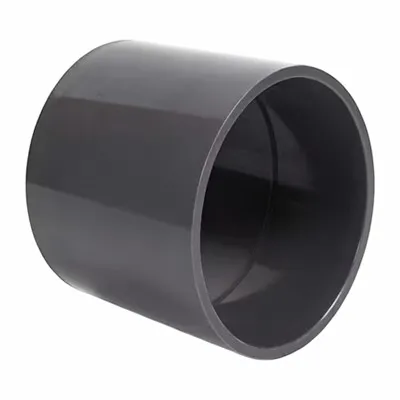
In conclusion, ASTM IPS Inch Butt Fusion Fittings can indeed be used in potable water systems. Their excellent material properties, compliance with standards, and numerous advantages make them a reliable and cost – effective choice. However, it is important to consider the temperature limitations, ensure proper installation, and conduct long – term monitoring.
Butt Fusion Fittings If you are involved in a potable water project and are considering the use of ASTM IPS Inch Butt Fusion Fittings, I invite you to contact us for further discusson. Our team of experts can provide you with detailed information about our products, technical support, and competitive pricing. We are committed to providing high – quality solutions for your potable water system needs.
References
- ASTM F714 Standard Specification for Polyethylene (PE) Plastic Pipe, Tubing, and Fittings for Use in Gas and Other Piping Applications.
- NSF/ANSI 61 Standard for Drinking Water System Components – Health Effects.
Qingdao Polyfusion Machinery Co., Ltd.
As one of the most professional ASTM IPS inch butt fusion fittings manufacturers and suppliers in China, we have world-leading production equipment and strong manufacturing capabilities. Please feel free to buy bulk high quality ASTM IPS inch butt fusion fittings from our factory.
Address: Chengyang Industry Zone, Chengyang, Qingdao, Shandong, China
E-mail: export01@qdpolyfusion.com
WebSite: https://www.polyfusionfittings.com/
