When it comes to the world of machinery, other gearboxes and motors play a pivotal role in a vast array of applications, from industrial manufacturing to automotive systems. As a supplier of other gearboxes and motors, I have witnessed firsthand the complexity and importance of understanding the cost factors associated with these essential components. In this blog post, I will delve into the various elements that contribute to the cost of other gearboxes and motors, providing valuable insights for businesses and individuals looking to make informed purchasing decisions. Other Gearbox & Motor

1. Raw Materials
The cost of raw materials is one of the most significant factors influencing the price of other gearboxes and motors. The type and quality of materials used in the manufacturing process can have a substantial impact on the overall cost. For instance, high – strength steel, which is often used in the construction of gearbox casings and motor shafts, can be more expensive than standard steel due to its superior mechanical properties. Additionally, the use of rare earth metals in motor magnets, such as neodymium, can significantly drive up costs because these metals are scarce and subject to market fluctuations.
Moreover, the purity and consistency of the raw materials also matter. High – purity materials are often required to ensure optimal performance and reliability of other gearboxes and motors. Ensuring that suppliers adhere to strict quality control measures for raw materials adds to the cost, as it involves additional testing and inspection processes.
2. Manufacturing Processes
The manufacturing processes involved in producing other gearboxes and motors are complex and can be labor – intensive. Precision machining is often required to create gears with accurate tooth profiles and smooth surfaces. This process involves using advanced machining tools and techniques, such as CNC (Computer Numerical Control) machining, which can be costly due to the high – tech equipment and skilled operators required.
In addition to machining, heat treatment is another critical process. Heat treatment is used to enhance the hardness, strength, and durability of gears and other components. However, it requires specialized equipment and careful control of temperature and time, which adds to the overall manufacturing cost.
Assembly is also a significant cost factor. Other gearboxes and motors consist of numerous components that need to be carefully assembled. Skilled technicians are required to ensure proper alignment and installation of parts, and the assembly process often takes time, especially for high – precision units.
3. Design and Engineering
The design and engineering of other gearboxes and motors are essential for achieving optimal performance and meeting specific application requirements. Developing a new design or customizing an existing one involves significant investment in research and development. Engineers need to use advanced software and tools to simulate the performance of the gearbox or motor under different conditions, ensuring that it meets the required torque, speed, and efficiency specifications.
Custom designs also require additional time and resources for prototyping and testing. Multiple iterations may be necessary to refine the design and eliminate any potential issues. All of these design and engineering activities contribute to the cost of the final product.
4. Quality Control and Testing
Quality control is of utmost importance in the production of other gearboxes and motors. Manufacturers must ensure that their products meet strict quality standards and specifications. This involves a series of rigorous testing procedures at various stages of the manufacturing process.
For example, gearboxes are tested for torque transmission efficiency, noise levels, and vibration. Motors are tested for power output, speed regulation, and temperature rise. These tests require specialized equipment and trained personnel, and the cost of testing equipment, calibration, and personnel time all add to the overall product cost.
Moreover, meeting international quality standards, such as ISO 9001, requires additional resources for quality management systems, documentation, and audits. These costs are ultimately passed on to the customers.
5. Market Demand and Supply
The laws of supply and demand also have a significant influence on the cost of other gearboxes and motors. In a highly competitive market with many suppliers, prices tend to be more competitive as companies try to attract customers. On the other hand, if there is a high demand for a particular type of gearbox or motor and limited supply, prices are likely to increase.
Market trends also play a role. For example, the growing demand for energy – efficient motors has led to an increase in the cost of these products as manufacturers invest in new technologies and materials to improve efficiency. Additionally, geopolitical factors, such as trade tariffs and sanctions, can disrupt the supply chain of raw materials and components, leading to price fluctuations.
6. Brand and Reputation
The brand and reputation of a manufacturer can affect the cost of other gearboxes and motors. Well – established brands with a long – standing reputation for quality and reliability often command higher prices. Customers are willing to pay more for products from these brands because they believe in the quality assurance and after – sales support provided.
Brand – building activities, such as marketing, advertising, and customer service, also require significant investment. These costs are incorporated into the product price. However, it’s important to note that a high – priced brand does not always guarantee the best value for money. Customers should carefully evaluate the features, performance, and warranty of the product before making a purchasing decision.
7. After – Sales Service and Support
After – sales service and support are crucial for the long – term performance and reliability of other gearboxes and motors. Manufacturers that offer comprehensive after – sales services, such as maintenance, repair, and technical support, often include the cost of these services in the product price.
Providing spare parts, training for customers’ maintenance staff, and on – site service requires a well – organized service network and skilled technicians. These resources come at a cost, which is reflected in the overall price of the gearbox or motor.
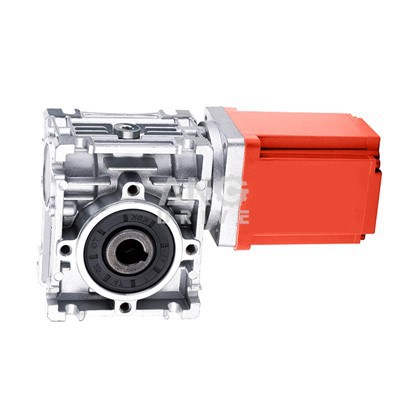
In conclusion, the cost of other gearboxes and motors is influenced by a multitude of factors, ranging from raw materials and manufacturing processes to market dynamics and after – sales service. As a supplier, we strive to balance these cost factors to provide our customers with high – quality products at competitive prices.
WP Gearbox If you are in the market for other gearboxes or motors and are looking for a reliable supplier, we would be delighted to discuss your specific requirements. We have a wide range of products to suit different applications and budgets. Contact us to start a conversation about your procurement needs, and let us work together to find the best solution for your business.
References
- Smith, J. (2018). Gearbox Design and Manufacturing. Mechanical Engineering Press.
- Johnson, A. (2019). Electric Motor Technology and Applications. Energy Publishing.
- International Organization for Standardization. (ISO 9001). Quality management systems – Requirements.
Hangzhou ANG Drive Co., Ltd.
We’re well-known as one of the leading gearbox & motor manufacturers and suppliers in China, also support custom service. Please feel free to wholesale high quality gearbox & motor made in China here from our factory. Contact us for more details.
Address: No.185, Jincheng Rd., Hangzhou 311202, China
E-mail: export6@angdrive.com
WebSite: https://www.angdrive.com/
