Energy consumption is a critical factor for anyone considering the purchase of a pellet machine, whether for home use, small – scale production, or large – scale industrial operations. As a supplier of pellet machines, I’ve encountered numerous inquiries regarding the energy consumption of these machines. In this blog, I’ll delve into the various aspects that influence the energy consumption of a pellet machine and provide some insights to help you make an informed decision. Pellet Machine
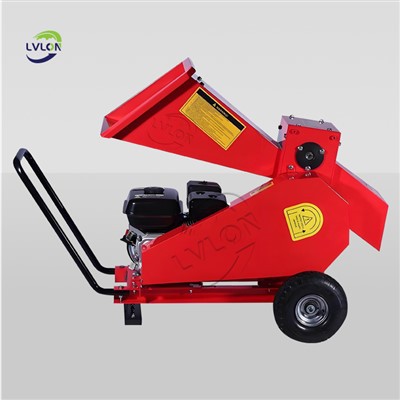
Understanding Pellet Machines and Their Function
Before we discuss energy consumption, it’s essential to understand how a pellet machine works. A pellet machine is designed to compress biomass materials, such as wood chips, sawdust, straw, and agricultural waste, into small, cylindrical pellets. The process involves feeding the raw material into the machine, where it is ground, mixed, and then forced through a die under high pressure. This pressure compacts the material into pellets.
Factors Affecting Energy Consumption
- Machine Size and Capacity
- Larger pellet machines with higher production capacities generally consume more energy. This is because they need to power larger motors and handle a greater volume of raw material. For example, a small – scale pellet machine with a production capacity of 100 – 200 kg per hour may have a power rating of around 3 – 5 kW. In contrast, an industrial – scale pellet machine with a capacity of 1 – 2 tons per hour can have a power rating of 30 – 50 kW or even higher.
- The size of the motor directly impacts energy consumption. A more powerful motor requires more electricity to operate, but it also allows the machine to produce pellets at a faster rate.
- Raw Material Characteristics
- The type and moisture content of the raw material play a significant role in energy consumption. Dry and easily compressible materials, such as sawdust from softwoods, require less energy to form into pellets. On the other hand, materials with high moisture content or those that are difficult to compress, like some types of agricultural waste, need more energy.
- For instance, if the moisture content of the raw material is too high, the machine has to work harder to remove the excess moisture and compress the material. It may be necessary to pre – dry the material, which also consumes additional energy. A general rule of thumb is that the ideal moisture content for pellet production is between 10% – 15%.
- Pellet Quality and Density
- Higher – density pellets require more energy to produce. The machine needs to apply greater pressure to compress the raw material into a denser form. If you’re aiming for high – quality, dense pellets for applications like heating or industrial use, the energy consumption will be higher compared to producing lower – density pellets.
- The die design also affects pellet quality and energy consumption. A well – designed die can reduce the amount of energy needed to form pellets by providing a smooth and efficient compression process.
Measuring Energy Consumption
The energy consumption of a pellet machine is typically measured in kilowatt – hours (kWh). To calculate the energy consumption of a pellet machine, you need to know its power rating (in kilowatts) and the operating time (in hours). The formula is:
Energy consumption (kWh)=Power rating (kW)×Operating time (h)
For example, if a pellet machine has a power rating of 5 kW and operates for 8 hours a day, the daily energy consumption would be 5 kW×8 h = 40 kWh.
Strategies to Reduce Energy Consumption
- Proper Raw Material Preparation
- As mentioned earlier, ensuring the raw material has the right moisture content is crucial. Use a moisture meter to measure the moisture content of the raw material and dry it if necessary. You can use natural drying methods, such as sun – drying, or mechanical dryers.
- Additionally, proper sizing of the raw material can reduce energy consumption. Grinding the raw material to the appropriate particle size before feeding it into the pellet machine can make the compression process more efficient.
- Regular Maintenance
- Keeping the pellet machine well – maintained can significantly reduce energy consumption. Regularly clean the machine, replace worn – out parts, and lubricate moving components. A well – maintained machine operates more smoothly and requires less energy to function.
- Check the die and rollers for wear and tear. If the die is damaged or the rollers are not properly aligned, the machine will have to work harder to produce pellets, leading to increased energy consumption.
- Optimal Machine Operation
- Operate the pellet machine at its optimal capacity. Running the machine at a lower capacity than it is designed for can be inefficient and increase energy consumption per unit of output. On the other hand, overloading the machine can also lead to increased energy consumption and may cause damage to the machine.
- Adjust the feeding rate of the raw material to match the machine’s capacity. A consistent and appropriate feeding rate ensures that the machine operates efficiently.
Comparing Different Types of Pellet Machines
There are two main types of pellet machines: flat – die pellet machines and ring – die pellet machines.
- Flat – Die Pellet Machines
- Flat – die pellet machines are generally smaller and less expensive. They are suitable for small – scale production, such as home use or small farms. These machines typically have lower power ratings, usually in the range of 2 – 7 kW. Their energy consumption is relatively low compared to larger industrial machines.
- However, their production capacity is limited, usually up to 300 – 500 kg per hour. The energy efficiency of flat – die pellet machines can be affected by the design of the die and the pressure applied during the pellet – making process.
- Ring – Die Pellet Machines
- Ring – die pellet machines are more commonly used in large – scale industrial production. They have higher production capacities, ranging from 1 – 10 tons per hour or more. These machines require more power, with power ratings often exceeding 30 kW.
- Ring – die pellet machines are generally more energy – intensive due to their larger size and higher production capacity. However, they are also more efficient in terms of producing high – quality pellets at a faster rate.
Real – World Examples of Energy Consumption
Let’s look at some real – world examples to better understand the energy consumption of pellet machines.
- Small – Scale Home Use
- A small flat – die pellet machine with a power rating of 3 kW, used for home heating, operates for 5 hours a day. The daily energy consumption would be 3 kW×5 h = 15 kWh. If the cost of electricity is $0.15 per kWh, the daily cost of operating the machine would be 15 kWh×$0.15/kWh = $2.25.
- Large – Scale Industrial Production
- An industrial ring – die pellet machine with a power rating of 50 kW, operating for 10 hours a day, has a daily energy consumption of 50 kW×10 h = 500 kWh. At a cost of $0.15 per kWh, the daily cost of operating the machine would be 500 kWh×$0.15/kWh = $75.
Conclusion
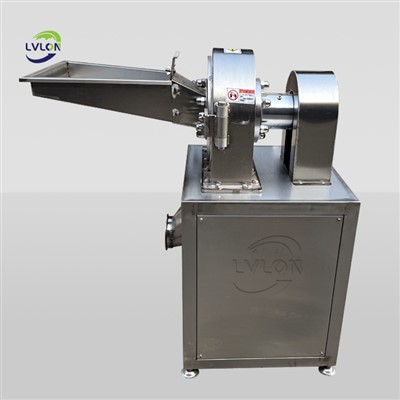
Understanding the energy consumption of a pellet machine is essential for making an informed purchasing decision. The energy consumption is influenced by factors such as machine size, raw material characteristics, pellet quality, and the type of machine. By taking steps to optimize raw material preparation, maintain the machine, and operate it efficiently, you can reduce energy consumption and save on operating costs.
Biomass Pellet Machine If you’re interested in purchasing a pellet machine and want to learn more about its energy consumption and how it can fit into your production needs, feel free to contact us. We’re here to provide you with detailed information and help you choose the right pellet machine for your specific requirements.
References
- Smith, J. (2020). Biomass Pellet Production: A Comprehensive Guide. Publisher X.
- Johnson, R. (2019). Energy Efficiency in Pellet Manufacturing. Journal of Renewable Energy, 15(2), 123 – 135.
Henan Lvlon Industrial Co., Ltd.
We’re well-known as one of the leading pellet machine suppliers in China, featured by quality products and good price. Please rest assured to buy high-grade pellet machine for sale here from our factory. Welcome to view our website for more information.
Address: Unit 5, 5th Floor, Building 11, No. 18 Dongfeng Road, Jinshui District, Zhengzhou City, Henan Province.
E-mail: lvlonxu@gmail.com
WebSite: https://www.lvlonmachinery.com/
